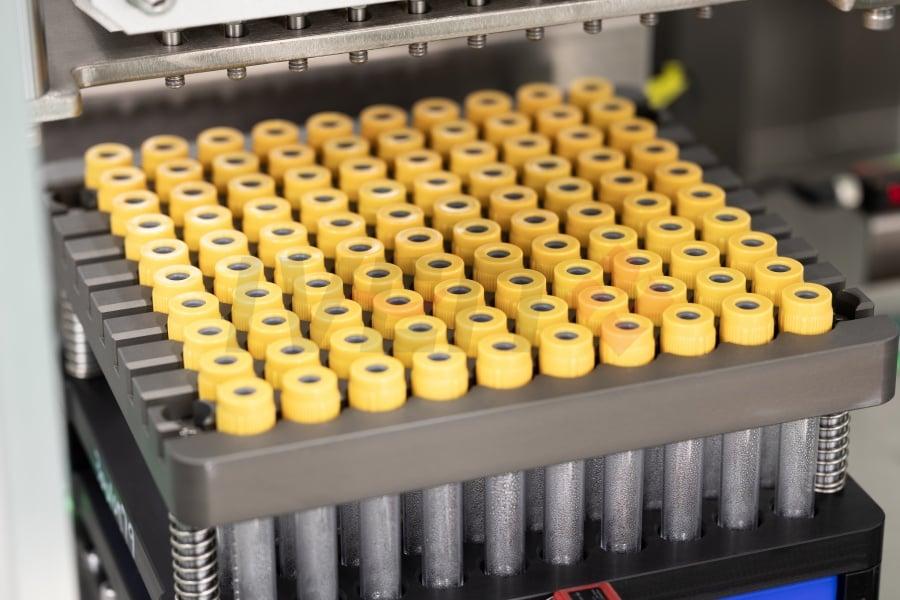
Veterinary Blood Tube Machines in the United States
For medical device companies serving animal hospitals, veterinary diagnostic laboratories, livestock health programs, and research facilities, a blood collection tube machine veterinary system is the production backbone behind consistent, sterile, and scalable tube manufacturing. In the United States, where veterinary care networks in cities such as Dallas, Boston, Chicago, Atlanta, Denver, and San Diego continue to expand, the need for dependable blood collection consumables has grown with higher testing volumes, stricter quality expectations, and faster supply chain requirements. Instead of relying on labor-intensive assembly, modern automated production lines help manufacturers control filling accuracy, additive dosing, vacuum consistency, cap placement, labeling, inspection, and packing at industrial scale.
A well-designed line does more than increase output. It also reduces contamination risk, improves traceability, supports validation for regulated production environments, and lowers the long-term cost per tube. This matters for companies supplying regional distributors through ports such as Los Angeles/Long Beach, Savannah, Houston, and Newark, where delivery speed and stable production planning can affect customer contracts. Buyers in the United States also expect machines that can adapt to multiple tube formats, additive types, and packaging specifications without excessive downtime.
Manufacturers evaluating this equipment typically compare throughput, automation level, footprint, utility demand, changeover speed, quality control systems, and the supplier’s ability to provide installation, commissioning, training, and technical support. The right choice depends on whether the business is launching a new veterinary consumables line, replacing a manual process, or building a high-capacity plant for nationwide distribution.
Quick Answer: Why a Veterinary Blood Collection Tube Machine Matters

A blood collection tube machine veterinary solution enables medical device companies to produce large volumes of high-quality blood collection tubes for hospitals, animal clinics, and diagnostic laboratories with reliable automation, repeatable quality control, and better production economics. In practical terms, the machine automates key steps such as tube feeding, cleaning, additive filling, drying or curing where required, vacuuming, stopper insertion, cap assembly, labeling, inspection, and final packing. This reduces human error, stabilizes quality, and supports faster scale-up for the United States market.
For companies supplying companion animal care, equine testing, poultry monitoring, and livestock disease surveillance, automated lines help standardize production across EDTA tubes, serum tubes, heparin tubes, clot activator tubes, and specialty formats. The benefits are strongest when production volumes rise above the point where manual assembly creates bottlenecks, inconsistent additive dosage, or labor management problems. In many cases, a properly configured line can cut rework, reduce scrap, improve lot traceability, and shorten delivery cycles to distribution centers in major U.S. logistics corridors.
| Production Objective | How Automation Helps | Business Impact |
|---|---|---|
| High daily output | Continuous feeding, filling, capping, and packing | Supports larger contracts and national distribution |
| Consistent additive dosing | Precision metering systems and recipe control | Improves test reliability and customer confidence |
| Vacuum stability | Controlled vacuum station with monitored parameters | More dependable blood draw performance |
| Lower contamination risk | Reduced manual contact and enclosed process sections | Better quality outcomes and fewer rejected lots |
| Traceability | Barcode, batch tracking, and digital records | Easier audits and complaint investigation |
| Labor efficiency | Fewer operators needed per output unit | Lower operating cost over time |
The table above shows why many U.S. buyers move from fragmented workstations to integrated production lines. The biggest gain is not just speed; it is repeatability. Repeatable production is essential when product quality affects diagnostic confidence in veterinary laboratories.
What Is a Veterinary Blood Collection Tube Machine and How Does It Work?

A blood collection tube machine veterinary system is an integrated manufacturing line designed to produce vacuum or non-vacuum blood collection tubes used in animal diagnostics. The exact configuration varies by product design, but the core purpose is to transform raw components—plastic or glass tubes, rubber stoppers, caps, additives, labels, and packaging materials—into finished tubes that meet dimensional, functional, and cleanliness standards.
Most modern lines begin with automatic tube unscrambling and feeding. Tubes are oriented and transferred through a controlled conveyor path. Depending on the product, the line may include internal cleaning or ionized air dust removal, additive filling, drying, and chemical treatment steps. Additive handling is especially important for veterinary diagnostics because different test protocols require different anticoagulants or clot activators. After filling, the tube usually moves into a vacuum generation and sealing section, where the target draw volume is engineered into the final product. The line then proceeds to cap fitting, stopper insertion, leak checking, labeling, coding, visual inspection, and packing.
Advanced systems also integrate machine vision, reject stations, PLC control, recipe storage, alarm logs, and production data export. For U.S. companies seeking validation-ready operations, these functions support process consistency and documentation.
From a technology standpoint, suppliers with deep specialization can make a major difference. Shanghai IVEN Pharmatech Engineering, for example, has developed multiple generations of vacuum blood collection tube production equipment and built a patent-backed platform around automation, precision engineering, and regulatory-oriented design. More about the company’s background can be found on its company overview page, where buyers can review its broader pharmaceutical and medical device engineering focus.
| Process Step | Main Equipment Module | Key Control Point | Why It Matters |
|---|---|---|---|
| Tube feeding | Unscrambler and infeed conveyor | Orientation accuracy | Prevents jams and protects throughput |
| Tube cleaning | Air cleaning or dust removal unit | Particle reduction | Supports product cleanliness |
| Additive filling | Metering pump or dosing station | Volume precision | Ensures diagnostic performance |
| Drying or curing | Oven or conditioning unit | Temperature and dwell time | Stabilizes additives where required |
| Vacuuming and sealing | Vacuum chamber and stopper insertion | Pressure consistency | Controls expected draw volume |
| Inspection and packing | Vision system, reject unit, packer | Defect detection | Reduces field complaints and returns |
The process table shows that the machine is not one device in isolation. It is a coordinated production ecosystem. Buyers should ask not only how fast the line runs, but how well each module communicates with the others, how defects are handled, and how easy cleaning and changeover will be during real production.
Key Applications and Production Benefits for Medical Device Companies

Veterinary blood collection tubes are used across a wide range of testing environments in the United States. Companion animal networks in metropolitan areas use them for hematology, chemistry, serology, and infectious disease panels. Livestock operations in the Midwest and Great Plains rely on them for herd health surveillance. Universities and contract research organizations use them in toxicology and preclinical work. Public animal health agencies and food production systems need them for monitoring outbreaks and managing compliance.
Because demand is spread across many end users, production lines must be flexible. A manufacturer may need to produce short runs for specialty equine testing one week and large lots for national veterinary laboratory chains the next. Automated lines with recipe switching, modular filling units, and flexible labeling systems are better suited for this environment than fixed manual processes.
The production benefits are equally important. With automation, manufacturers can improve output planning, reduce operator dependency, and maintain a cleaner process flow. This supports stronger margins when raw material costs fluctuate or when labor markets tighten in industrial hubs such as Indianapolis, Columbus, Charlotte, and Phoenix.
| End-Use Segment | Typical Tube Requirement | Production Need | Benefit of Automated Line |
|---|---|---|---|
| Companion animal clinics | Small to medium lot variety | Fast SKU changeover | Supports broad product portfolios |
| National veterinary labs | Large repeat volume | Stable high throughput | Improves cost efficiency and consistency |
| Livestock health programs | Robust bulk supply | Scalable production planning | Enables seasonally responsive output |
| Equine diagnostics | Specialized specifications | Precision additive control | Reduces performance variability |
| Research institutions | Traceable batches | Strong documentation | Supports compliance and study integrity |
| Export distributors | Reliable packaging | Consistent labeling and boxing | Improves logistics and market acceptance |
The industries above illustrate why production flexibility matters as much as speed. A machine that only performs well at one standard format may not suit a U.S. manufacturer trying to address mixed veterinary demand across clinics, laboratories, and agricultural channels.
Main Types and Configurations Available Today
There is no single best blood collection tube machine veterinary configuration for every buyer. The right choice depends on product mix, target output, facility layout, validation approach, and budget. In the United States, common buyer categories include start-up consumables manufacturers, mid-sized OEM suppliers, and large contract or branded producers building national capacity.
Entry-level systems may focus on semi-automatic feeding, filling, and capping for modest output. Mid-range lines often add automatic vacuuming, in-line inspection, and integrated labeling. High-end systems deliver full automation with digital monitoring, recipe management, robotic packing, and compatibility with MES or plant data systems. Modular architecture is valuable because it allows buyers to begin with core production and add capacity later.
On the manufacturing side, equipment durability and build quality strongly affect lifecycle value. IVEN Pharmatech Engineering supports its blood collection tube machinery with specialized manufacturing resources in Shanghai and a broader industrial base that includes multiple focused plants for pharmaceutical and medical device equipment. That manufacturing depth is relevant to U.S. buyers because it typically translates into better component standardization, stronger quality control, and long-term parts support. Buyers exploring product options can review a wider equipment portfolio to understand how the supplier approaches integrated production systems.
| Machine Type | Automation Level | Typical Output Positioning | Best For | Key Limitation |
|---|---|---|---|---|
| Bench or compact semi-automatic unit | Low to medium | Pilot or small batch | New product validation and low-volume supply | High labor input |
| Standalone additive filling line | Medium | Module-based expansion | Manufacturers upgrading manual processes | Needs integration with other modules |
| Semi-automatic vacuum tube line | Medium | Moderate commercial output | Regional suppliers | Changeover may still require more labor |
| Fully automatic standard line | High | High-volume production | National veterinary consumables producers | Higher initial capital cost |
| Fully automatic modular line | High | High-volume and multi-SKU | Fast-growing OEM and branded suppliers | Requires strong planning and utilities |
| Integrated turnkey production line | Very high | Factory-scale output | Greenfield or major expansion projects | Longer implementation timeline |
When comparing configurations, buyers should look beyond nameplate speed. Ask whether the machine can run plastic and glass formats, support different additives, integrate lot coding, and fit within the cleanroom or controlled production environment planned for the plant. For U.S. operations near major freight gateways like Long Beach, Houston, or Newark, it is also wise to ask about shipping dimensions, installation sequence, and spare parts lead times.
Automated Veterinary Tube Machines vs Manual Assembly Lines
Manual assembly still exists in small workshops and early-stage operations, but it becomes difficult to sustain as volume, quality expectations, and labor complexity rise. In manual environments, workers often perform separate filling, capping, and labeling tasks at individual stations. That may work for very small output, but the process usually suffers from uneven cycle times, limited traceability, and greater contamination exposure.
Automated lines centralize process control. Dosing parameters, vacuum settings, and inspection thresholds can be standardized. Rejects are isolated more quickly. Packaging becomes more consistent. These improvements help U.S. suppliers meet distributor expectations and reduce complaint rates from clinics and laboratories.
| Factor | Manual Line | Automated Line | Operational Advantage |
|---|---|---|---|
| Output volume | Low to moderate | Moderate to very high | Automation supports growth without linear labor increase |
| Additive accuracy | Operator dependent | Program controlled | Improves product consistency |
| Vacuum consistency | Hard to standardize | Machine monitored | More reliable blood draw performance |
| Contamination control | Higher manual contact | More enclosed process | Better cleanliness management |
| Traceability | Paper-based or partial | Digital batch records possible | Supports audits and investigations |
| Labor requirement | High | Lower per unit produced | Reduces dependence on staffing fluctuations |
| Changeover management | Slower and less repeatable | Recipe-based on advanced lines | Faster SKU transitions |
| Long-term unit cost | Often rises with scale | Often declines with scale | Improves margins at higher volumes |
The comparison makes clear why many U.S. manufacturers move toward automation as demand stabilizes. Manual lines may offer lower entry cost, but they often create hidden expenses through labor, scrap, downtime, complaints, and inconsistent quality. For companies serving regional networks from Tennessee, Ohio, or Texas, those hidden costs can outweigh the initial savings quickly.
Market Growth and Opportunities for Manufacturers
The United States remains one of the most attractive markets for veterinary diagnostics and related consumables. Growth is supported by rising pet ownership, premiumization in companion animal care, more frequent preventive testing, expansion of specialized veterinary hospitals, and continued demand from livestock health monitoring. Large diagnostic networks continue to consolidate test volumes, while independent regional labs seek faster turnaround and dependable consumable sourcing.
For equipment manufacturers and tube producers, the opportunity is not limited to current demand. There is also room for reshoring, dual-sourcing strategies, and regional inventory localization. Distributors increasingly want supply reliability after years of transport disruption through global shipping routes. That is why buyers near logistics clusters such as Chicago, Memphis, Atlanta, and the New Jersey port corridor are investing more seriously in domestic or near-market production capability.
Looking toward 2026, three trends stand out. First, digital quality systems will become more important, including machine vision, batch data retention, and remote diagnostics. Second, sustainability will move from a marketing claim to a procurement criterion, with attention on packaging reduction, energy use, material efficiency, and clean utility design. Third, compliance expectations will tighten around documentation, validation, and process reproducibility as buyers seek lower risk throughout their supply chain.
Manufacturers that can combine equipment quality with application knowledge will be best positioned. This includes understanding the needs of animal health laboratories, supporting validation packages, and offering expansion pathways as customers move from pilot to commercial-scale output.
How to Choose a Reliable Manufacturer or Supplier
Choosing a supplier is not only a matter of price. In the United States, buyers often underestimate the value of regulatory familiarity, documentation quality, training depth, and after-sales responsiveness. A machine with attractive upfront pricing can become a costly asset if spare parts are difficult to source, software support is weak, or process validation takes too long.
Supplier evaluation should include technical fit, manufacturing strength, and service capacity. Ask for detailed process descriptions, utility requirements, material specifications, FAT procedures, validation support scope, and references from comparable installations. If the project involves a greenfield plant or a major expansion, the supplier’s engineering and project coordination ability may matter as much as the machine itself.
Service capability is one area where integrated engineering companies stand out. IVEN Pharmatech Engineering is known not only for equipment supply but also for broader project support, including engineering design, customization, installation, commissioning, validation assistance, training, and lifecycle service. For buyers planning a larger factory build, its turnkey project services can be relevant when aligning equipment with utilities, layout, and compliance strategy.
| Evaluation Criteria | What to Ask | Why It Matters | Warning Sign |
|---|---|---|---|
| Application experience | Have you built veterinary or blood tube lines before? | Reduces trial-and-error risk | Only generic packaging experience |
| Documentation | What FAT, IQ, OQ, and SOP support is available? | Speeds qualification and training | Incomplete manuals or vague deliverables |
| Component quality | Which brands and materials are used? | Affects durability and maintenance | Unclear bill of materials |
| Manufacturing depth | Do you build core modules in-house? | Improves consistency and parts support | Heavy dependence on unknown subcontractors |
| After-sales support | How are troubleshooting and spare parts handled in the U.S.? | Minimizes downtime | No defined response structure |
| Customization ability | Can the line match our tube sizes and SKUs? | Ensures production fit | One-size-fits-all design |
Before issuing a purchase order, buyers should request a detailed proposal with throughput assumptions, rejection criteria, line balance, consumables list, warranty scope, and projected changeover times. If you are comparing several options and want direct discussion around configuration, validation, or commercial details, it is practical to contact the supplier’s engineering team early rather than treating the project as a simple catalog purchase.
Investment Cost, Budget Planning, and ROI Analysis
The capital cost of a blood collection tube machine veterinary project can range widely depending on automation level, output target, included modules, validation requirements, and factory readiness. A compact semi-automatic setup may fit a lower budget but still require significant labor and future upgrades. A fully automatic line with inspection, labeling, robotic packing, and data integration will require a higher initial investment, yet often delivers stronger lifecycle economics.
Budget planning should include far more than machine price. U.S. buyers should account for shipping, import handling, insurance, installation, utilities, room preparation, compressed air, HVAC compatibility, operator training, spare parts, validation activities, and launch inventory. Delays in room readiness or utility connection can distort project economics, so implementation planning is part of ROI analysis, not a separate issue.
| Budget Element | Typical Cost Weight | Planning Note | ROI Relevance |
|---|---|---|---|
| Main production line | Highest | Define exact output and module scope | Core productivity driver |
| Shipping and import logistics | Moderate | Consider port routing and inland transport | Affects landed cost |
| Installation and commissioning | Moderate | Coordinate with room readiness | Impacts startup timeline |
| Validation and documentation | Moderate | Budget for IQ/OQ/PQ support | Speeds commercial release |
| Training and SOP transfer | Low to moderate | Include maintenance staff as well as operators | Reduces early downtime |
| Spare parts and wear items | Low to moderate | Build an initial critical parts kit | Protects line uptime |
ROI is usually driven by five variables: volume growth, labor savings, scrap reduction, quality improvement, and contract capture. For example, a manufacturer that replaces a labor-heavy assembly process with an automated line may reduce staffing per thousand tubes, improve yield, and secure larger supply agreements because customers trust stable output. Even if the payback period is not immediate, the strategic value can be substantial.
In practical U.S. terms, a regional supplier serving the Southeast from Georgia or North Carolina may justify investment by lowering freight times to customer labs while gaining more control over inventory availability. A Midwest supplier may see the best return from supplying agricultural testing programs with seasonally variable but high-volume demand. The key is to model realistic line utilization rather than peak theoretical capacity.
Key Considerations and Potential Risks When Investing
Every equipment project carries risk, and veterinary tube manufacturing is no exception. The most common investment mistakes are underestimating process complexity, choosing a line based only on price, failing to define product specifications clearly, and neglecting validation and service planning. A high-speed machine is not automatically the right machine if the product mix is complex or if the facility lacks stable utilities.
One major risk is poor alignment between the machine and the actual tube portfolio. Different additives, drying conditions, labels, and stopper designs can affect the real operating window. Another risk is insufficient operator training, which can cause long changeovers, inaccurate settings, and avoidable downtime. Spare parts planning is also critical, especially for buyers who want uninterrupted supply to multi-state distribution networks.
Looking ahead to 2026 and beyond, buyers should also consider policy and sustainability factors. Procurement teams are paying more attention to energy efficiency, waste reduction, and environmentally responsible packaging. Some healthcare and animal health buyers are beginning to ask more detailed questions about lifecycle impact, machine efficiency, and production waste control. Choosing an equipment platform that can adapt to these expectations will protect the investment.
The comparison chart highlights an important point: the strongest long-term value often comes from an advanced integrated supplier rather than the lowest-priced machine seller. That is especially true when the project requires customization, qualification support, and expansion planning.
FAQ
What throughput is suitable for a U.S. veterinary tube manufacturer?
It depends on your customer mix. Regional suppliers may begin with moderate-capacity systems, while national brands or OEM manufacturers usually require fully automatic high-output lines with stronger in-line inspection.
Can one line produce multiple tube types?
Yes, many modern systems can be configured for multiple tube sizes and additive types, but actual flexibility depends on tooling design, recipe control, change parts, and changeover planning.
Is a fully automatic line always the best choice?
Not always. If demand is still uncertain or the portfolio is limited, a semi-automatic or modular approach may offer a better first-stage investment. However, for stable commercial supply in the United States, automated lines generally provide better lifecycle economics.
What documentation should buyers request?
Request layout drawings, utility requirements, FAT protocol, material specifications, electrical documentation, spare parts lists, software descriptions, and validation support details such as IQ and OQ deliverables if available.
How important is local service availability?
Very important. Even if remote support is strong, you should ask about spare parts response time, training structure, troubleshooting procedures, and whether the supplier can coordinate service effectively for U.S. installations.
What production risks are most often overlooked?
Commonly overlooked risks include unstable additive handling, unrealistic throughput assumptions, insufficient cleaning validation planning, weak operator training, and underbudgeting for packaging and inspection modules.
How should buyers evaluate total cost?
Look beyond machine price. Include freight, customs handling, installation, utilities, room adaptation, validation, labor impact, expected yield, maintenance, spare parts, and future upgrade costs.
Can this equipment support expansion into broader medical consumables manufacturing?
Yes, especially when purchased from a supplier with wider engineering capabilities. Companies with experience across filling, packaging, utilities, logistics, and turnkey factory development can often support future line additions more effectively.
Why do some buyers choose an integrated engineering partner instead of a standalone machine builder?
Because integrated partners can align machine design with facility layout, utilities, validation, quality systems, logistics, and future growth. This often reduces project risk during startup and scale-up.
What makes IVEN Pharmatech Engineering relevant for U.S. buyers?
Its value lies in a combination of technical specialization in vacuum blood collection tube machinery, solid manufacturing capability, and lifecycle project support. The company’s experience in compliant pharmaceutical and medical device engineering, customized solutions, and long-service equipment design can be especially useful for buyers planning industrial-scale production rather than a simple standalone purchase.
In summary, a blood collection tube machine veterinary investment should be evaluated as a strategic manufacturing decision, not only as an equipment transaction. For the United States market, the winning combination is usually robust automation, flexible configuration, strong documentation, reliable service, and a supplier capable of supporting both present production and future expansion.

About the Author
We are IVEN Pharmatech Engineering, a team dedicated to delivering turnkey pharmaceutical and medical solutions worldwide. With decades of experience, we specialize in advanced machinery, integrated factory design, and full lifecycle support to help our clients achieve efficient, compliant, and high-quality production.
Share

Related Insights
-
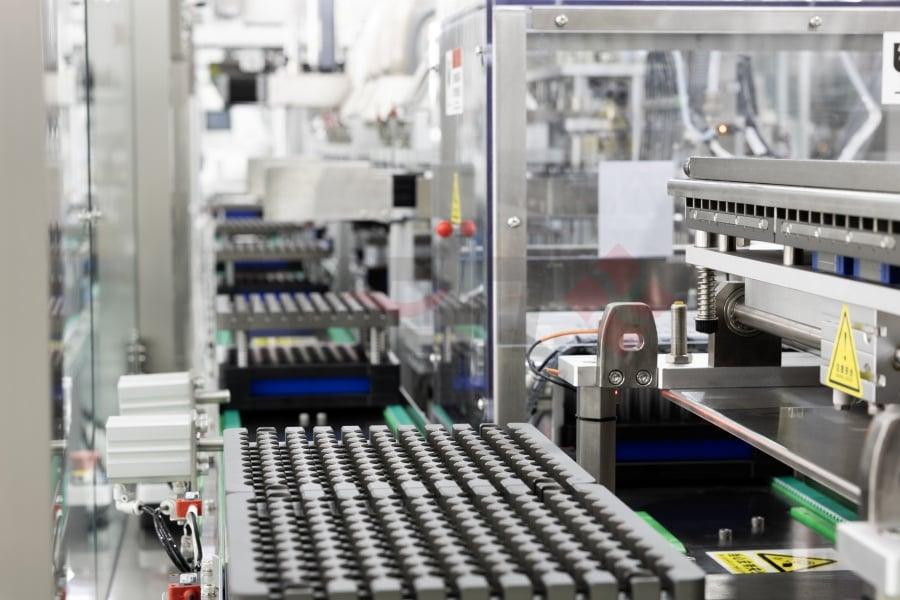
United States Guide: Micro vs Venipuncture Tube Systems
For medical device companies serving hospitals, physician networks, blood centers, and diagnostic laboratories in the United States, the choice between micro blood collection tubes and venipuncture tube systems affects product design, factory automation, compliance strategy, and long-term profitability. In practical terms, advanced tube production equipment allows manufacturers to produce high volumes of consistent, traceable, and high-quality blood collection tubes with automated dosing, cap assembly, vacuum control, inspection, labeling, and packaging. This is especially important in large U.S. healthcare markets such as New York, Chicago, Houston, Los Angeles, Atlanta, and Boston, where laboratory throughput, quality requirements, and supply chain resilience are major purchasing priorities.
Micro blood tubes are usually designed for capillary sampling, pediatric use, neonatal testing, point-of-care settings, and low-volume collection. Venipuncture tubes, by contrast, are intended for standard phlebotomy workflows and are widely used across hospitals, reference labs, outpatient clinics, and national laboratory networks. Although both product families serve blood collection, their manufacturing requirements differ in tube size, additive filling precision, closure design, vacuum performance, sterility control, line speed, and packaging methods.
U.S. buyers increasingly look for equipment suppliers that can combine automation, regulatory understanding, and lifecycle support. That is why many manufacturers evaluate partners that can support not only machinery delivery, but also engineering layout, validation, process documentation, operator training, and future expansion. Companies seeking a broader factory strategy can review medical and pharmaceutical engineering expertise or explore turnkey project capabilities when planning a new production facility or upgrading an existing blood collection tube plant.
The short answer is that automated micro blood tube and venipuncture tube production lines help medical device companies in the United States manufacture large volumes of blood collection consumables with better consistency, tighter quality control, lower labor dependence, and more reliable traceability than manual assembly. Micro tube lines are generally optimized for smaller tube formats, fine-tuned additive dosing, and compact handling, while venipuncture tube lines emphasize vacuum accuracy, high output, robust stopper insertion, and batch stability.
For U.S. factories, the strongest value comes from four factors. First, automation reduces variation between lots, which is essential for laboratory confidence and repeatable clinical performance. Second, integrated inspection systems can identify defects in tube dimensions, cap fit, labeling, additive volume, and cosmetic quality before products reach distribution channels. Third, modern equipment can support multi-SKU production strategies for sodium citrate, serum, EDTA, heparin, glucose, and clot activator tubes. Fourth, digital controls make it easier to manage validation, preventive maintenance, and data logging in regulated manufacturing environments.
Manufacturers supplying regions near the ports of Los Angeles, Long Beach, Savannah, Newark, and Houston also benefit from streamlined packaging and palletizing, which helps maintain stable outbound logistics to hospital systems and distributors across the United States. In a market where continuity of supply matters as much as price, production reliability is a competitive advantage.
FactorMicro Blood Tube ProductionVenipuncture Tube ProductionWhy It Matters in the United StatesPrimary sample typeCapillary bloodVenous bloodSupports different clinical workflows in pediatrics, outpatient care, and core labsTypical volume rangeLow volumeStandard higher volumeImpacts additive dosing accuracy and product portfolio planningAutomation focusSmall-part handling and fine dosingVacuum control and high-speed assemblyDetermines equipment design and validation prioritiesEnd-user segmentPediatric, neonatal, point-of-care, specialty labsHospitals, reference labs, physician offices, blood draw centersShapes commercial strategy by geography and customer typeLine complexityHigh precision in compact formatHigh throughput with robust sealingAffects staffing, maintenance, and quality systemsMain business benefitSpecialized product differentiationScalable core revenue productionBalances premium niche demand with stable volume demandThe table above shows that the comparison is not about one product replacing the other. Instead, U.S. manufacturers often need both capabilities, either on separate lines or through modular equipment configurations that allow product changeover with validated settings.
A micro blood tube system refers to the product design and manufacturing process used to produce small blood collection tubes for capillary sampling. These tubes are commonly used when patient blood volume must be minimized, especially for newborns, children, geriatric patients, and certain decentralized diagnostic workflows. A venipuncture tube system refers to the product design and industrial process for standard evacuated blood collection tubes used with needles and holders in routine phlebotomy.
From a manufacturing perspective, both systems follow similar broad stages: raw material loading, tube forming or tube feeding, cleaning, additive dosing, drying if needed, cap or closure assembly, vacuum generation for evacuated products, sealing, online inspection, labeling, tray or rack loading, secondary packaging, and final batch release. The difference lies in process precision, speed, and configuration.
In a micro tube line, tube orientation, capillary tube geometry, anti-leak performance, and micro-volume additive control are often critical. In a venipuncture line, the most sensitive issues are vacuum level consistency, closure insertion force, stopper integrity, and line throughput. Both rely on PLC-based controls, servo-driven motion, machine vision, and validated process parameters.
For buyers evaluating complete equipment ecosystems, a supplier with strong technological capabilities should offer modular line architecture, recipe management, quick format change parts, cleanable stainless-steel contact surfaces, in-line reject systems, and integration with upstream and downstream packaging modules. This is one area where IVEN Pharmatech Engineering is relevant to global and U.S.-oriented buyers: its technology background spans blood collection tube machinery as well as broader pharmaceutical engineering systems, helping manufacturers align automation decisions with compliance and factory-wide utility planning.
Process StepMicro Blood Tube LineVenipuncture Tube LineMain Control PointTube feedingCompact tube orientationStandard tube indexingPosition accuracyAdditive fillingUltra-precise small-volume dosingHigher-volume precise dosingVolume toleranceDrying or coatingOften required for specialty formulationsCommon for anticoagulant or clot activator preparationUniformity of internal coatingClosure assemblyLeak protection in small formatRubber stopper or cap insertion with retention controlSeal integrityVacuumingLimited or product-specificCore function for evacuated tubesPressure stabilityInspectionFine visual and dimensional checksVacuum, cap, label, and cosmetic checksAutomated defect rejectionPackagingSmall-lot, specialty configurationsHigh-volume standardized packagingTraceability and transit protectionThe table above helps explain how the two categories differ inside the production line. In both cases, manufacturers need process repeatability, but the engineering priorities are not identical. A company deciding between the two should start from customer demand, sample volume requirements, and the economics of its product mix.
Micro blood tubes are especially valuable in pediatric hospitals, neonatal intensive care units, home collection programs, urgent care settings, and specialized laboratory panels that do not require full venous draw volumes. Venipuncture tubes remain the backbone of routine diagnostics, chemistry, hematology, coagulation, immunology, and reference laboratory processing across the United States.
For medical device companies, the production benefits go beyond output volume. Automated lines support lower scrap rates, more reliable additive distribution, cleaner production environments, and faster qualification of repeatable products. U.S. customers increasingly expect stable inventory, clear labeling, lot traceability, and minimal defects because blood collection tubes directly affect downstream testing integrity.
There are also strategic benefits. A company that manufactures both micro and venipuncture formats can diversify sales across hospital systems, children’s hospitals, independent lab chains, distributors, and OEM contracts. This is attractive in a market where procurement teams in cities like Philadelphia, San Diego, Dallas, and Seattle often balance cost control with supply security.
On the manufacturing side, capabilities matter. A supplier with strong manufacturing capabilities should be able to produce durable line components, support high-precision machining, and deliver stable long-term performance in demanding operating conditions. IVEN Pharmatech Engineering has positioned itself around this type of manufacturing depth, supported by specialized plants and experience with multiple generations of blood collection tube equipment and related pharmaceutical machinery.
Application AreaPreferred Tube TypeReason for UseProduction Benefit for ManufacturerNeonatal careMicro blood tubeMinimizes blood draw volumeAccess to specialized premium segmentPediatric hospitalsMicro blood tubePatient comfort and limited sample needsBroader product differentiationRoutine hospital laboratoryVenipuncture tubeStandard phlebotomy workflowHigh-volume steady productionReference laboratoriesVenipuncture tubeCompatible with automated analyzersScalable OEM and distributor salesUrgent care and clinicsBothMixed patient profilesCross-selling opportunitiesPoint-of-care and outreach programsMicro blood tubeConvenient low-volume collectionSupports innovation-led market entryCoagulation testing centersVenipuncture tubeRequires controlled fill volume and anticoagulant ratioHigh-value quality-focused marketThis table shows that tube selection is closely linked to clinical workflow. Manufacturers that understand these use cases can design more effective sales strategies and avoid overinvesting in the wrong product category.
var ctxDemand = document.getElementById(‘demandBarChart’).getContext(‘2d’);var demandBarChart = new Chart(ctxDemand, {type: ‘bar’,data: {labels: [‘Hospitals’, ‘Reference Labs’, ‘Pediatric Centers’, ‘Clinics’, ‘Blood Draw Centers’, ‘Point-of-Care’],datasets: [{label: ‘Estimated U.S. Demand Index’,data: [92, 85, 48, 66, 73, 39],backgroundColor: [‘#4e79a7′,’#59a14f’,’#f28e2b’,’#e15759′,’#76b7b2′,’#edc948′]}]},options: {responsive: true,maintainAspectRatio: false,plugins: {legend: { display: true }},scales: {y: { beginAtZero: true }}}});The bar chart highlights where demand is strongest. Standard venipuncture tubes dominate hospital and reference laboratory volume, while micro tubes have a stronger presence in pediatric and decentralized care segments.
Today’s market includes a wide range of micro and venipuncture tube formats. The main distinctions are tube size, material, closure design, additive chemistry, vacuum status, labeling format, and packaging configuration. U.S. buyers often request compatibility with automated analyzers, barcoding systems, and distribution channels that require shelf-stable packaging and dependable transit protection.
Common micro blood tube designs include capillary tubes with EDTA, serum separator micro tubes, heparin micro tubes, and specialized low-volume chemistry formats. Common venipuncture tube configurations include plain serum tubes, gel and clot activator tubes, EDTA tubes, sodium citrate tubes, lithium heparin tubes, glucose tubes, and ESR-related products depending on the market segment.
The best equipment platforms are modular enough to support multiple SKUs without excessive downtime. This may include interchangeable dosing heads, cap sorting systems, vacuum modules, labelers, and intelligent rejection units. Buyers comparing alternatives can also review broader equipment portfolios through industrial product solutions to understand how blood collection tube machinery fits into a wider medical manufacturing roadmap.
Tube TypeTypical AdditiveMain Clinical UseCommon Production RequirementMicro EDTA tubeK2 or K3 EDTAHematology and pediatric samplingAccurate micro-dose coating or fillingMicro serum tubeClot activator or noneLow-volume chemistry testsClean inner surface and sealing stabilityMicro heparin tubeLithium or sodium heparinPlasma testingUniform additive distributionSerum venipuncture tubeClot activatorRoutine chemistry and immunologyHigh-speed additive dosing and cap insertionEDTA venipuncture tubeK2 or K3 EDTABlood count and hematologyCoating consistency and vacuum accuracyCitrate venipuncture tubeSodium citrateCoagulation testingCritical fill-volume controlHeparin venipuncture tubeLithium heparinPlasma chemistryProcess validation for additive performanceGlucose tubeFluoride and oxalate or equivalentGlucose preservationChemical stability and labeling clarityThe range above shows why equipment flexibility is a major purchasing factor. One line may need to support several high-volume SKUs, while another may be optimized for specialty micro products with smaller but higher-margin order profiles.
Compared with manual or semi-manual assembly lines, fully automated production for micro blood tubes and venipuncture tubes offers stronger process control, lower operator dependence, and more predictable scaling. Manual assembly may still appear attractive for small startups because the upfront cost is lower, but it often leads to inconsistent additive volumes, unstable output, variable closure quality, and weaker batch traceability.
For U.S. manufacturers supplying FDA-conscious customers or hospital procurement groups, these limitations can become serious commercial risks. A manual process may be acceptable for limited pilot runs, but it is usually not the preferred path for sustained production in large healthcare networks. Automation also helps address labor volatility, which remains a concern across industrial hubs such as New Jersey, Illinois, Texas, and California.
Comparison PointMicro Tube Automated LineVenipuncture Automated LineManual Assembly LineOutput consistencyHighHighLow to mediumLabor requirementModerateModerateHighAdditive precisionVery highHighVariableVacuum controlLimited or product-specificVery highDifficult to stabilizeTraceabilityDigital batch managementDigital batch managementOften fragmentedScalabilityStrong for specialty growthExcellent for mass productionWeak beyond small batchesReject managementAutomaticAutomaticMostly manualThe table above makes one point very clear: manual assembly can reduce capital spending at the beginning, but it generally increases quality risk and operating inefficiency over time. The advantage of automation becomes stronger as volume, SKU count, and customer compliance expectations increase.
var ctxCompare = document.getElementById(‘comparisonChart’).getContext(‘2d’);var comparisonChart = new Chart(ctxCompare, {type: ‘bar’,data: {labels: [‘Output’, ‘Quality Consistency’, ‘Traceability’, ‘Labor Efficiency’, ‘Scalability’, ‘Defect Control’],datasets: [{label: ‘Micro Tube Automated Line’,data: [78, 92, 90, 84, 76, 91],backgroundColor: ‘#4e79a7’},{label: ‘Venipuncture Automated Line’,data: [95, 94, 92, 86, 96, 93],backgroundColor: ‘#59a14f’},{label: ‘Manual Assembly’,data: [32, 48, 40, 28, 25, 45],backgroundColor: ‘#e15759’}]},options: {responsive: true,maintainAspectRatio: false,plugins: {legend: { display: true }},scales: {y: { beginAtZero: true, max: 100 }}}});This comparison chart illustrates why most growing U.S. manufacturers move toward automated lines once they target national distribution, OEM supply contracts, or multi-state healthcare systems.
The U.S. market for blood collection consumables continues to benefit from stable diagnostic demand, aging demographics, decentralized care models, preventive screening, and the expansion of specialized lab testing. Micro blood tubes are gaining attention because they align with patient-friendly sampling, pediatric care, and low-volume testing strategies. Venipuncture tubes remain a high-demand core category because they serve the largest share of routine blood testing.
Growth opportunities are strongest in three areas. First, domestic and near-market production is becoming more attractive as healthcare providers seek resilient supply chains. Second, niche product innovation is creating opportunities in micro-sampling, specialty additives, and customized OEM formats. Third, automation upgrades are driving replacement demand among existing manufacturers who need better throughput, data integrity, and maintenance performance.
For U.S.-focused production, location and logistics matter. Plants near Chicago can serve Midwest distribution efficiently; New Jersey and Pennsylvania are advantageous for East Coast medical networks; Texas provides central domestic logistics; and Southern California supports Pacific trade routes through Los Angeles and Long Beach. A good machinery strategy should reflect the planned customer geography as much as the product specification.
var ctxMarket = document.getElementById(‘marketLineChart’).getContext(‘2d’);var marketLineChart = new Chart(ctxMarket, {type: ‘line’,data: {labels: [‘2021’, ‘2022’, ‘2023’, ‘2024’, ‘2025’, ‘2026’],datasets: [{label: ‘U.S. Blood Collection Tube Market Growth Index’,data: [100, 106, 113, 121, 130, 140],borderColor: ‘#2f6fed’,backgroundColor: ‘rgba(47,111,237,0.12)’,fill: false,tension: 0.3}]},options: {responsive: true,maintainAspectRatio: false,plugins: {legend: { display: true }},scales: {y: { beginAtZero: false }}}});The line chart suggests steady growth rather than a short-term spike. This pattern usually supports investment in durable equipment because manufacturers can amortize capital over sustained market demand.
Future 2026 trends are also important. U.S. buyers are expected to place more emphasis on connected equipment, digital batch records, predictive maintenance, reduced utility consumption, recyclable packaging formats, and compliance-ready validation packages. Sustainability will increasingly influence purchasing, particularly for factories serving major health systems with environmental procurement policies. Policy shifts may also encourage more domestic production planning and stronger supplier qualification practices.
var ctxTrend = document.getElementById(‘trendAreaChart’).getContext(‘2d’);var trendAreaChart = new Chart(ctxTrend, {type: ‘line’,data: {labels: [‘2021’, ‘2022’, ‘2023’, ‘2024’, ‘2025’, ‘2026’],datasets: [{label: ‘Share of Automated and Smart Production Adoption’,data: [42, 48, 55, 63, 71, 79],borderColor: ‘#59a14f’,backgroundColor: ‘rgba(89,161,79,0.25)’,fill: true,tension: 0.3}]},options: {responsive: true,maintainAspectRatio: false,plugins: {legend: { display: true }},scales: {y: { beginAtZero: true, max: 100 }}}});The area chart shows the expected shift toward smarter and more integrated production. This trend is particularly relevant for manufacturers seeking long-term competitiveness rather than only short-term low-cost output.
Choosing a reliable equipment supplier is one of the most important decisions in a blood collection tube project. U.S. buyers should evaluate not only machine specifications, but also engineering depth, documentation standards, validation support, spare parts planning, installation experience, and post-startup service response. A low initial quote can become expensive if the line suffers from changeover problems, vacuum inconsistency, poor dosing accuracy, or slow troubleshooting.
Start by asking whether the supplier has proven experience specifically in blood collection tube production rather than only general packaging machinery. Review whether the supplier can support customized line layouts, utility integration, FAT and SAT protocols, IQ/OQ/PQ documentation, and training for operators and maintenance teams. Ask for examples of completed projects in regulated environments and whether the supplier understands U.S. market expectations for quality systems.
Service capability is especially important. A supplier should be able to support feasibility consultation, engineering design, equipment customization, commissioning, validation assistance, operator training, technical documentation, and after-sales optimization. This service-oriented model is essential for overseas projects and is one of the reasons buyers often contact experienced project teams before finalizing layout and budget decisions.
Selection CriterionWhy It MattersWhat U.S. Buyers Should CheckApplication experienceReduces technical mismatchInstalled base in blood collection tube projectsRegulatory understandingSupports smoother compliance pathwaysKnowledge of FDA-oriented documentation and GMP practicesCustomization abilityAdapts line to local needsFormat flexibility, utility matching, and plant layout integrationQuality of constructionAffects reliability and lifespanMaterial grade, machining quality, and parts traceabilityValidation supportSaves startup timeFAT, SAT, IQ, OQ, PQ support packagesAfter-sales serviceProtects uptimeRemote support, spare parts, training, and response commitmentsScalabilityPrepares for growthModular expansion paths and future automation upgradesThe table above can function as a practical supplier audit checklist. Buyers should score each category and compare suppliers against actual production goals, not just brochure claims.
The investment cost for micro blood tube and venipuncture tube production equipment varies widely depending on output, number of SKUs, inspection level, vacuum modules, cleanroom requirements, automation depth, and packaging integration. A compact specialty micro tube line may require lower total throughput but higher precision. A large venipuncture line may demand more capital because of speed, vacuum systems, cap handling, and broad downstream packaging integration.
Budget planning in the United States should include far more than machine purchase price. Companies need to evaluate freight, import handling, plant utilities, HVAC coordination, installation, cleanroom adjustments, electrical work, compressed air, validation, spare parts, maintenance tools, operator training, and startup raw materials. It is also wise to model downtime risk, format changeover losses, and future expansion requirements before approving the capital plan.
Cost ElementMicro Tube Line ImpactVenipuncture Line ImpactPlanning NotesMain equipmentMedium to highHighDepends on line speed and automation scopePrecision dosing modulesHigh importanceMedium to high importanceCritical for additive consistencyVacuum systemLow to mediumHighMajor cost driver for evacuated tube linesInspection systemMedium to highHighVision and rejection systems improve release confidenceInstallation and commissioningMediumMedium to highDepends on local contractor readinessValidation and documentationMediumMediumEssential for regulated manufacturingTraining and spare partsMediumMediumSupports early uptime and maintenance stabilityROI depends on product mix, labor savings, reject reduction, line uptime, and selling price. In many cases, the strongest ROI drivers are not just output volume but lower quality deviations, better distributor confidence, and the ability to serve more accounts with consistent supply. Companies entering OEM contracts or major hospital tenders often find that automation improves commercial credibility as much as factory economics.
A useful ROI model should compare at least three scenarios: manual assembly, semi-automated production, and full automation. It should include gross margin by SKU, expected annual utilization, operator headcount, maintenance costs, energy usage, and scrap reduction. For a growing U.S. manufacturer, full automation often becomes financially attractive once demand reaches stable multi-shift volumes or when customer qualification standards are strict.
Although the business case for automated blood collection tube production can be strong, buyers should approach the investment carefully. One common risk is choosing a line that is either too small for projected demand or too complex for the organization’s current technical team. Another is underestimating product development work for additive stability, cap compatibility, vacuum retention, and packaging validation.
Supply chain planning is another risk area. Manufacturers should evaluate local access to polymers, rubber components, additives, labels, cartons, sterilization support if needed, and replacement parts. A strong line can still underperform if upstream materials are inconsistent. U.S. companies should also consider warehousing strategy, especially if they are supplying distributors across the East Coast, Midwest, Gulf Coast, and West Coast.
Case-study thinking is useful here. A pediatric-focused startup in Boston may prioritize micro tube capability and low-batch flexibility. A high-volume diagnostic supplier in Texas may focus on venipuncture throughput and broad distributor packaging formats. A contract manufacturer in New Jersey may need both, plus documentation sophistication for multiple private-label customers. Each investment path requires a different equipment architecture.
Environmental and policy trends for 2026 should also be part of risk assessment. Energy efficiency, waste reduction, recyclable secondary packaging, and lower water consumption are becoming more influential. Buyers should ask whether the line design can support future sustainability targets and whether software architecture can adapt to stronger digital compliance requirements.
Potential RiskImpact on ProjectHow to Reduce the RiskIncorrect capacity sizingUnderutilization or bottlenecksUse realistic demand forecasts and phased expansion plansPoor additive process validationTest performance failuresRun pilot batches and formulation compatibility studiesWeak supplier supportLong downtime and delayed startupVerify service structure, spare parts, and training packagesInsufficient plant utilitiesLine instabilityAudit electrical, compressed air, HVAC, and space requirements earlyRegulatory documentation gapsQualification delaysDefine documentation scope before purchase order approvalMaterial quality variabilityYield and defect problemsQualify raw material suppliers and incoming QC plansLimited future flexibilityCostly retrofits laterSelect modular designs with upgrade optionsThe table above is a reminder that successful investment depends on project execution as much as machine selection. Strong planning reduces both startup delays and long-term operating surprises.
1. Is a micro blood tube better than a venipuncture tube?Neither is universally better. Micro blood tubes are better for low-volume capillary collection, especially in pediatric and neonatal use. Venipuncture tubes are better for routine venous sampling and high-throughput laboratory workflows.
2. Can one production line handle both micro tubes and venipuncture tubes?Some modular platforms can support multiple formats, but many manufacturers prefer dedicated lines because of differences in tube geometry, dosing precision, vacuum requirements, and output targets.
3. What matters most for U.S. buyers: speed or precision?Both matter, but the priority depends on the product. For micro tubes, dosing precision and leak protection are critical. For venipuncture tubes, throughput, vacuum stability, and stopper integrity are often the top concerns.
4. How important is validation support when buying tube production equipment?It is very important. Validation support helps accelerate startup, reduce compliance risk, and create structured documentation for quality assurance and customer audits.
5. What industries buy these tubes in the United States?Hospitals, diagnostic laboratory networks, physician office labs, pediatric care centers, urgent care providers, public health programs, contract manufacturers, and medical distributors are all active buyers.
6. What is the main advantage of working with an engineering-driven supplier?An engineering-driven supplier can support facility layout, utilities, automation integration, and long-term line optimization rather than only shipping standalone machinery.
7. How can a manufacturer reduce project risk?Use realistic demand planning, qualify raw materials early, define validation scope, confirm service commitments, and choose equipment with room for future expansion.
8. Where can buyers start if they are planning a new blood collection tube facility?A good first step is to discuss product mix, target output, compliance goals, and layout strategy with an experienced equipment and engineering partner. Buyers considering a broader factory plan can review the company background, assess turnkey implementation options, browse available equipment categories, or contact a project team for a technical discussion.
In summary, the comparison between micro blood tubes and venipuncture tube systems is not simply a product question. It is a strategic manufacturing decision involving market demand, production architecture, compliance needs, service support, and long-term investment return. In the United States, where hospital networks, lab groups, and distributors expect stable supply and consistent quality, automated and well-engineered production systems can create a meaningful competitive edge.
-
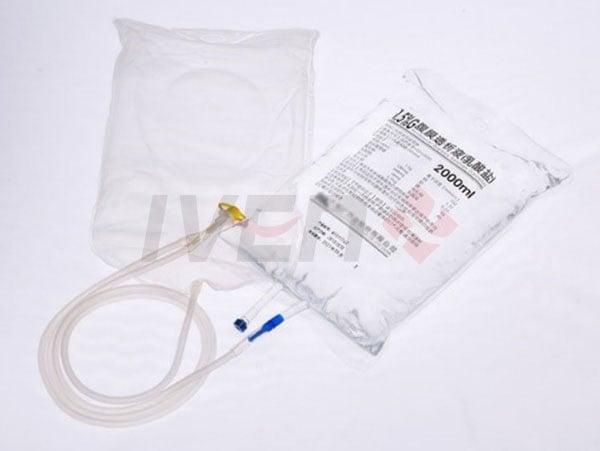
Peritoneal Dialysis Line Specs Guide for U.S. Plants
Peritoneal dialysis solution line specs matter because they directly affect sterility assurance, filling accuracy, container compatibility, regulatory compliance, and long-term production economics. In the United States, manufacturers supplying chronic kidney disease treatment programs need production lines that can reliably prepare, filter, fill, seal, inspect, and package peritoneal dialysis fluids for both home dialysis and hospital use. The right line specification supports patient safety, stable output, lower contamination risk, and smoother validation under U.S. FDA cGMP expectations.
Demand for peritoneal dialysis therapy has expanded as healthcare systems look for more flexible renal care models, especially home-based treatment pathways. That means dialysis solution manufacturers, contract manufacturers, and healthcare investors are paying closer attention to line design, tank configuration, sterile transfer, filling formats, automation level, and traceability functions. In major U.S. pharmaceutical and medical logistics hubs such as New Jersey, Chicago, Houston, Los Angeles, and Atlanta, supply continuity and validated sterile production are now strategic priorities rather than purely technical issues.
For buyers evaluating equipment, the key is not only the machine list but also how the entire line works as an integrated manufacturing system. A complete peritoneal dialysis solution line typically includes solution preparation, temperature control, sterile filtration, container feeding, filling, sealing, online inspection, secondary packaging, utilities integration, and validation documentation. Companies entering or expanding in this segment often compare domestic sourcing, imported systems, and turnkey engineering packages to reduce project risk and shorten time to commercial supply.
The quick answer is simple: peritoneal dialysis solution line specs define whether a plant can consistently produce sterile dialysis fluids with the right composition, package integrity, and batch reproducibility. For U.S. manufacturers, the most important specifications usually include output capacity, compatible container format, cleanroom integration, CIP/SIP design, automation architecture, filling precision, leak detection performance, utility consumption, and compliance readiness.
When these specifications are selected correctly, the line can support continuous and stable supply for nephrology centers, hospital pharmacies, and home-care distribution networks. When selected poorly, the result may be validation delays, reject losses, underutilized capacity, or inability to meet future market demand.
Specification AreaWhat It CoversWhy It MattersTypical U.S. Buyer FocusBatch CapacityMixing tank size and daily outputDetermines plant throughputScalability for regional demandSterility DesignSIP, sterile filtration, aseptic transferControls contamination riskFDA inspection readinessContainer CompatibilityNon-PVC bags, PP bottles, other formatsAffects product positioningHome-use convenience and logisticsFilling AccuracyVolume dosing consistencySupports product qualityReduced overfill and wasteSeal IntegrityHeat sealing or closure systemProtects sterility in transportLower reject rateAutomation & TraceabilityPLC, MES links, batch recordsImproves control and data integrityElectronic compliance systemsUtilities EfficiencyWater, steam, compressed air, powerInfluences operating costROI and sustainability planningThis table shows why “specs” are not a narrow engineering topic. They connect directly to commercial output, patient safety, validation timelines, and long-term operating cost.
Peritoneal dialysis solution line specs refer to the technical and operational parameters of the manufacturing line used to produce PD fluids. These fluids must be sterile, chemically consistent, and packaged in a way that supports safe handling during treatment. Because patients with chronic kidney disease may use these fluids daily, reliability is not optional.
In practical terms, specs include solution preparation accuracy for dextrose concentration, electrolyte content, pH control, and temperature management. They also cover the filling and packaging side: how many units per hour can be filled, what bag sizes are supported, how leak testing is performed, and how the line prevents particulate or microbial contamination.
For kidney care, the importance is clinical as well as industrial. A dependable production line helps healthcare providers avoid shortages, especially for home peritoneal dialysis patients who need regular shipments. In the United States, where home therapy adoption is a strategic healthcare trend, this makes production resilience especially important across distribution corridors linking East Coast ports, Midwest warehousing, and West Coast healthcare systems.
Another reason specs matter is regulatory accountability. Dialysis solution is a highly controlled medical product. If the line cannot support validated cleaning, repeatable process controls, and complete documentation, the plant may struggle during audits or scale-up. This is why buyers increasingly prefer suppliers who understand not only machinery but also pharmaceutical process engineering, utility systems, cleanroom integration, and qualification support.
The role of a well-designed PD solution line is to ensure a stable, sterile, and commercially viable supply of dialysis fluids across multiple care settings. Home treatment requires user-friendly packaging, long shelf life, strong transport integrity, and consistent availability through nationwide logistics. Hospital use often requires dependable bulk planning, high service reliability, and quality documentation for institutional procurement.
In home dialysis, product packaging often becomes a major line-spec issue. The line may need to support flexible bags that are easier to store and use in residential settings. Filling stability, bag port design, and seal quality influence whether the final product performs well during shipping to cities and suburban routes from fulfillment centers in places like Dallas, Memphis, or Newark.
For hospitals and regional care systems, benefits come from high-volume output, reduced production stoppages, and standardized quality records. A modern line can also improve cost control by reducing overfill, minimizing manual intervention, and supporting automated rejection of defective containers.
BenefitHome Dialysis RelevanceHospital RelevanceOperational EffectReliable SterilitySafer patient self-administrationSupports institutional quality standardsLower contamination riskPackaging ConsistencyEasier storage and use at homeSimplifies inventory controlFewer complaints and returnsScalable OutputPrevents supply interruptionMeets regional purchasing contractsBetter service continuityTraceabilitySupports recalls if neededImproves batch accountabilityStronger complianceAutomated InspectionHigher confidence in every unitReduces manual checksHigher efficiencyCost EfficiencySupports broader access programsHelps procurement budgetingBetter marginsThe benefits are cumulative. Better line specs improve clinical confidence, manufacturing quality, and supply-chain resilience at the same time.
There is no single best line for every buyer. The right model depends on output goals, package format, plant footprint, and compliance strategy. In the U.S. market, buyers usually compare compact lines for regional supply, mid-scale automated lines for growing demand, and fully integrated high-capacity lines for national or export-oriented production.
Typical technical options include open or closed compounding architecture, single-use versus stainless steel transfer sections in specific modules, one-stage or multi-stage sterile filtration, automatic bag forming or preformed container feeding, and different filling technologies based on fluid characteristics and target accuracy. Additional options may include robotic cartoning, automatic pallet flow, warehouse integration, and electronic batch recording.
On the technology side, experienced suppliers often stand out through the depth of their process integration. IVEN Pharmatech Engineering is known internationally for combining pharmaceutical machinery engineering with utility systems and compliance-oriented design. Its technical capabilities are especially relevant for dialysis projects that need coordinated solution preparation, filling, packaging, and clean utility integration rather than isolated machine purchases.
Line TypeTypical CapacityBest ForMain Technical FeaturesPilot or Entry Line500-1,500 units/hourProduct launch and validation batchesCompact footprint, semi-automatic supportRegional Supply Line1,500-3,500 units/hourMid-size U.S. market demandAutomated filling, sealing, inspectionHigh-Capacity Line3,500-6,000+ units/hourLarge-scale commercial plantsFull automation, integrated logisticsBag-Focused LineVaries by bag sizeHome dialysis distributionFlexible bag handling, seal controlBottle-Compatible LineVaries by bottle formatSpecific institutional requirementsRigid container feeding and cappingTurnkey Integrated LineCustomizedNew factory investmentUtilities, cleanroom, validation packageThis model comparison helps buyers align equipment selection with business goals. A high-capacity line may look attractive, but if demand is still regional, a modular expansion strategy may offer better return on capital.
Companies entering this field often compare peritoneal dialysis solution lines with other sterile liquid manufacturing approaches such as standard IV solution lines, contract manufacturing, or outsourced fill-finish arrangements. While there is some overlap in sterile process principles, PD fluid manufacturing has its own packaging, compositional, and supply-chain requirements.
A standard IV solution line may share compounding and filling concepts, but it may not be optimized for PD-specific bag sizes, connector configurations, or home-distribution packaging. Outsourcing can reduce initial investment, but it also reduces production control, limits scheduling flexibility, and may expose the brand to external supply bottlenecks.
For some investors, the best solution is a phased approach: start with contract manufacturing, validate the market, then install a dedicated line. For established pharmaceutical manufacturers, a dedicated PD line is often more strategic because it secures quality control and allows future expansion into related renal products.
OptionUpfront CostControl LevelBest Use CaseMain LimitationDedicated PD Solution LineHighVery highLong-term branded productionRequires capital and validation timeModified IV Solution LineMedium to highMediumPlants with existing liquid assetsPossible format mismatchContract ManufacturingLow upfrontLowMarket entry and volume testingDependence on third party capacityOutsourced Fill-FinishMediumLow to mediumPartial production strategyComplex coordinationHybrid ModelMediumMedium to highPhased scale-upTemporary process duplicationTurnkey New FacilityVery highVery highLarge strategic market entryLonger project cycleFor companies comparing these paths, the decision should be based on forecast demand, reimbursement outlook, target geography, and the importance of supply independence. A supplier with end-to-end project expertise can be useful here. Buyers exploring complete factory planning can review turnkey pharmaceutical engineering solutions to understand how integrated design reduces coordination gaps across process equipment, utilities, and validation.
The U.S. renal care market continues to support stronger interest in home-based dialysis models. As a result, production capacity planning for PD solution lines is increasingly tied to long-term demand forecasts rather than short-term procurement cycles. Market drivers include chronic kidney disease prevalence, policy support for home treatment expansion, healthcare cost management, and the need for reliable domestic or near-market supply.
In parallel, manufacturers are reassessing supply-chain resilience. After years of global logistics disruption, plants located near major U.S. transport nodes such as the Port of Los Angeles, Port of New York and New Jersey, Savannah, Houston, and inland freight hubs around Columbus and Kansas City have gained strategic importance. Equipment decisions now consider not only line speed but also lead time, spare parts support, and utility efficiency.
Another key trend is digitalization. Data logging, predictive maintenance, serialization-adjacent traceability, and MES connectivity are becoming more relevant. Buyers no longer view these as optional upgrades; they are increasingly part of baseline line specs, especially in facilities built to future-proof operations through 2026 and beyond.
var ctx1 = document.getElementById(‘lineChartMarket’).getContext(‘2d’);var chart1 = new Chart(ctx1, {type: ‘line’,data: {labels: [‘2021’, ‘2022’, ‘2023’, ‘2024’, ‘2025’, ‘2026’],datasets: [{label: ‘Estimated U.S. PD Solution Line Demand Index’,data: [72, 79, 88, 97, 108, 121],borderColor: ‘rgb(54, 162, 235)’,backgroundColor: ‘rgba(54, 162, 235, 0.15)’,fill: false,tension: 0.3}]},options: {responsive: true,maintainAspectRatio: false}});The line chart indicates a steady upward demand profile. While exact growth varies by product mix and therapy adoption rate, the overall trend supports capacity expansion and new equipment investment.
var ctx2 = document.getElementById(‘barChartDemand’).getContext(‘2d’);var chart2 = new Chart(ctx2, {type: ‘bar’,data: {labels: [‘Home Dialysis Providers’, ‘Hospital Systems’, ‘Contract Manufacturers’, ‘Pharma Investors’, ‘Regional Distributors’, ‘Export-Oriented Plants’],datasets: [{label: ‘Estimated Equipment Interest Score’,data: [92, 74, 68, 81, 59, 63],backgroundColor: [‘rgb(255, 99, 132)’,’rgb(75, 192, 192)’,’rgb(255, 205, 86)’,’rgb(153, 102, 255)’,’rgb(201, 203, 207)’,’rgb(54, 162, 235)’]}]},options: {responsive: true,maintainAspectRatio: false}});The bar chart shows strong interest from home dialysis providers and strategic investors. This reflects the commercial shift toward decentralized renal care and the need for product supply closer to patients.
Choosing a supplier should begin with technical fit, but it should not end there. The most reliable manufacturer is one that can demonstrate sterile liquid process experience, project execution discipline, and post-installation support. U.S. buyers should ask not only for equipment brochures but also for FAT standards, validation documentation samples, component sourcing details, utility requirement sheets, and reference project scope.
A useful evaluation framework includes five layers: compliance capability, engineering depth, manufacturing quality, service coverage, and total lifecycle economics. A supplier that can design the line, coordinate clean utilities, support installation, and provide qualification guidance usually reduces overall project friction.
On manufacturing capability, buyers often prefer suppliers with specialized plants rather than generic fabrication networks. IVEN Pharmatech Engineering has developed multiple dedicated manufacturing bases for pharmaceutical filling and packaging machinery, water treatment systems, intelligent conveying systems, and blood collection tube equipment. That specialization can be relevant for U.S. projects needing a supplier that understands production-line integration at factory scale rather than only standalone machines.
Selection CriterionWhat to VerifyGood SignWarning SignRegulatory UnderstandingFDA, cGMP, validation documentationClear qualification packageVague compliance claimsProcess EngineeringCompounding, filtration, aseptic transferDetailed URS responseOnly generic machine specsManufacturing QualityMaterial standards, welding, finishTraceable fabrication recordsInconsistent documentationProject DeliveryTimeline control and installation planningStructured project milestonesUnclear responsibilitiesAfter-Sales SupportTraining, spares, remote serviceDefined service programNo local response planScalabilityFuture expansion optionsModular design approachLine cannot be upgradedTotal CostCAPEX plus OPEXTransparent cost modelLow bid with hidden extrasThis table shows why the lowest purchase price is rarely the best decision. Reliable supply comes from the right combination of engineering competence and execution capability. Buyers can also review a broader pharmaceutical equipment portfolio to compare whether a supplier offers enough adjacent systems to support full-line coordination.
Investment planning should consider more than the quoted line price. A realistic budget includes process tanks, filling and sealing equipment, sterile filtration systems, clean utilities, HVAC interface work, automation, qualification, shipping, installation, training, and startup support. For a U.S. project, local site preparation and validation consulting can significantly affect final capital cost.
Operating economics depend on yield, labor structure, utility consumption, maintenance planning, and downtime control. High-automation lines usually require more upfront capital but may improve ROI by lowering rejects, improving data integrity, and increasing effective capacity. For plants targeting national contracts, the ability to run consistently at validated output can outweigh the initial price premium.
Cost CategoryLow-Scale ProjectMid-Scale ProjectHigh-Scale ProjectCore Production Line$1.5M-$3M$3M-$6M$6M-$12M+Solution Preparation System$300K-$700K$700K-$1.5M$1.5M-$3MUtilities Integration$400K-$900K$900K-$2M$2M-$5MValidation & Documentation$150K-$350K$350K-$800K$800K-$1.5MInstallation & Commissioning$250K-$600K$600K-$1.2M$1.2M-$2.5MTraining & Initial Spares$80K-$200K$200K-$450K$450K-$900KContingency Budget8%-12%8%-12%10%-15%These cost bands are indicative and vary by capacity, format, automation, and site conditions. The biggest budgeting mistake is underestimating utilities, validation, and packaging integration.
var ctx3 = document.getElementById(‘areaChartTrend’).getContext(‘2d’);var chart3 = new Chart(ctx3, {type: ‘line’,data: {labels: [‘2021’, ‘2022’, ‘2023’, ‘2024’, ‘2025’, ‘2026’],datasets: [{label: ‘Shift Toward Automated and Data-Integrated Lines’,data: [28, 35, 44, 56, 67, 79],borderColor: ‘rgb(75, 192, 192)’,backgroundColor: ‘rgba(75, 192, 192, 0.25)’,fill: true,tension: 0.25}]},options: {responsive: true,maintainAspectRatio: false}});The area chart reflects the broader industry trend: more buyers are prioritizing digitally connected and highly automated lines. This affects ROI because automation often increases line utilization and reduces compliance-related friction.
Investment success depends on matching the specification to the intended business model. Overspecifying a line can lead to unnecessary capital burden, while underspecifying can create bottlenecks that are expensive to correct later. Capacity planning should therefore be linked to realistic demand scenarios in the United States, including payer dynamics, provider adoption rates, and distribution geography.
Key risks include insufficient sterility design, incompatible packaging formats, poor cleanroom integration, weak documentation, delayed spare parts support, and lack of expansion flexibility. Another common risk is choosing a supplier that can build a machine but cannot manage the line as part of a regulated pharmaceutical project.
Service capability is therefore critical. IVEN Pharmatech Engineering positions itself around full-lifecycle support, including consulting, design coordination, installation, commissioning, qualification assistance, training, and optimization. For overseas buyers and U.S.-based projects, that service structure can be useful when reducing delays caused by fragmented responsibilities across multiple vendors.
Risk AreaPotential ProblemImpactMitigationDemand Forecast ErrorLine too small or too largeLost ROI or supply constraintUse phased capacity modelCompliance GapWeak validation or documentationApproval delaysAudit documentation earlyPackaging MismatchWrong bag or bottle designMarket acceptance issuesConfirm final product strategy firstUtility UnderdesignInsufficient WFI, steam, HVACLow actual outputComplete utility study before orderingSupplier Support WeaknessSlow service or spare parts responseLong downtimeSecure SLA and parts listTechnology ObsolescenceNo digital integration pathHigher long-term upgrade costSpecify future-ready controlsSustainability PressureHigh water or energy useRising OPEX and ESG pressureRequest efficiency benchmarksOne practical way to reduce risk is to define a detailed user requirement specification before supplier comparison. Another is to request a roadmap covering FAT, SAT, IQ, OQ, PQ, training, and handover documentation.
var ctx4 = document.getElementById(‘comparisonChartSuppliers’).getContext(‘2d’);var chart4 = new Chart(ctx4, {type: ‘bar’,data: {labels: [‘Compliance Support’, ‘Customization’, ‘Capacity Range’, ‘Service Scope’, ‘Utility Integration’, ‘Lifecycle Value’],datasets: [{label: ‘Dedicated Engineering Supplier Score’,data: [91, 88, 84, 90, 87, 89],backgroundColor: ‘rgb(153, 102, 255)’},{label: ‘Basic Equipment Supplier Score’,data: [63, 58, 69, 52, 47, 60],backgroundColor: ‘rgb(255, 159, 64)’}]},options: {responsive: true,maintainAspectRatio: false}});The comparison chart illustrates why many buyers prefer engineering-oriented suppliers for regulated sterile projects. The broader the project scope, the more important service and systems integration become.
1. What are the most important peritoneal dialysis solution line specs?The most important specs are sterility assurance design, output capacity, filling accuracy, seal integrity, compatible package formats, automation level, traceability, and utility requirements.
2. Which package format is most common for PD solution production?Flexible bags are widely used because they suit home dialysis logistics and storage needs, but exact format depends on product design, target market, and customer preference.
3. How much production capacity should a new U.S. investor plan for?That depends on whether the goal is pilot supply, regional distribution, or national commercial scale. Many new entrants begin with modular mid-scale capacity that can expand as demand grows.
4. Can a general IV solution line be adapted for PD fluids?Sometimes, but not always efficiently. PD production often requires dedicated handling and packaging features. A purpose-built line usually performs better for long-term supply.
5. What compliance points matter most in the United States?Buyers should focus on FDA cGMP alignment, documented qualification, materials traceability, aseptic process control, cleaning validation support, and data integrity readiness.
6. What should be included in supplier documentation?A solid package includes P&ID drawings, equipment layouts, material certificates, FAT/SAT protocols, IQ/OQ support, manuals, spare parts lists, and maintenance recommendations.
7. How long does a typical project take?Depending on capacity and site readiness, a project may require several months for engineering and manufacturing, followed by installation, commissioning, validation, and regulatory preparation.
8. What future trends should buyers watch through 2026?Key trends include stronger home dialysis demand, more digital batch control, predictive maintenance, energy-efficient utility systems, sustainable packaging discussions, and policy pressure for resilient domestic supply.
9. Is turnkey delivery better than buying separate machines?For many sterile production projects, yes. Turnkey delivery can reduce interface risk between process, utilities, cleanrooms, packaging, and validation, especially when timelines are tight.
10. How can I start evaluating project fit for my plant?Begin with demand forecasting, product format definition, capacity targets, utility review, and regulatory strategy. Then discuss the project with an experienced supplier through a structured technical consultation. You can contact the IVEN team to review line sizing, project scope, and engineering options for the U.S. market.
For U.S. manufacturers and investors, peritoneal dialysis solution line specs are ultimately a business-critical decision. The right specification improves product safety, protects supply continuity, and supports long-term profitability in a market that is steadily shifting toward flexible renal care. Whether the plan is a regional plant near New Jersey distribution corridors, a Gulf Coast facility linked through Houston, or a West Coast project serving Pacific trade routes, line selection should balance compliance, capacity, automation, service support, and future scalability.
A well-qualified partner can make that process faster and less risky by aligning technical capabilities, manufacturing quality, and service execution from early design through commercial operation. That is especially important in dialysis solution manufacturing, where patient impact, regulatory scrutiny, and supply reliability are closely connected.
-

Syrup Filling Output Guide for United States Pharma
For pharmaceutical manufacturers in the United States, syrup filling machine speed output is not just a productivity number. It is a core decision factor that affects batch scheduling, line clearance time, labor efficiency, container compatibility, validation workload, and long-term cost per bottle. Whether a plant is producing pediatric syrups, cough formulations, nutraceutical liquids, or prescription oral solutions, output bottles per minute must be matched with viscosity, fill accuracy, capping reliability, cleaning requirements, and FDA-oriented documentation expectations.
In practical terms, buyers in New Jersey, Pennsylvania, Illinois, Texas, California, North Carolina, and Puerto Rico often evaluate syrup line performance by asking a simple question: how many stable, compliant, saleable bottles can the line produce every minute under real factory conditions? The answer depends on bottle size, syrup density, foaming behavior, neck finish, cap type, changeover frequency, and the automation level of the complete line, including bottle unscrambling, rinsing, filling, capping, induction sealing, labeling, cartoning, and end-of-line logistics.
For companies planning expansion, modernization, or greenfield projects, it is helpful to work with a partner that understands both equipment and regulated plant engineering. IVEN Pharmatech Engineering supports pharmaceutical and medical device manufacturers with integrated solutions designed around compliance, efficiency, and lifecycle performance rather than stand-alone machine sales alone.
Syrup filling machine speed output refers to the number of bottles a syrup filling line can reliably fill, cap, and transfer within a defined period, usually bottles per minute or bottles per hour. In pharmaceutical production, this metric is used to plan annual capacity, evaluate equipment utilization, estimate labor needs, and determine whether a line can support market demand without compromising GMP compliance.
Large companies evaluate output together with fill precision, reject rate, validation complexity, cleaning time, and line integration. A machine rated at 180 bottles per minute on paper may only deliver 110 to 130 bottles per minute in a real oral liquid plant if the syrup is highly viscous, bottle formats change frequently, or the downstream labeling and cartoning units are slower than the filler. Because of this, experienced buyers focus on sustained output under production conditions, not only peak mechanical speed.
In the United States market, the most relevant output categories are typically:
Output RangeTypical Bottles/MinuteBest FitCommon Bottle SizesAutomation LevelBuyer ProfileLaboratory / Pilot10-30R&D and clinical batches30-250 mLSemi-automaticProduct development teamsSmall commercial30-80Regional production50-300 mLSemi to automaticNiche syrup brandsMid-scale80-150Growing domestic demand60-500 mLAutomaticEstablished pharma plantsHigh-speed150-250National distribution60-250 mLFully integratedLarge pharmaceutical firmsVery high-speed250-400+Mass-market oral liquids60-150 mLAdvanced servo lineMulti-site manufacturersTurnkey multi-lineCombined 500+Large capacity hubsMultiple formatsFactory-wide automationEnterprise network operatorsThis table shows why the “right” speed is relative. A New Jersey prescription syrup plant may prefer 120 stable bottles per minute with excellent line clearance and full audit support, while a Texas consumer healthcare site may target 250 bottles per minute for mass retail channels.
In pharmaceutical production, syrup filling machine speed output is a combined performance measure for the filler and the total packaging line. It covers not only how fast liquid enters each bottle, but how efficiently the line handles bottle feeding, infeed spacing, no-bottle-no-fill logic, cap placement, torque control, reject handling, coding, and transport to secondary packaging.
It is used for five major planning functions:
First, capacity planning. Production managers convert market forecasts into required bottles per shift, per day, and per year. Second, equipment selection. Engineering teams compare piston, peristaltic, time-pressure, and mass-flow based systems. Third, regulatory planning. Quality teams assess whether the selected speed supports repeatable performance within validated limits. Fourth, labor design. A highly automated line can reduce manual intervention, especially for plants in high-cost labor regions such as Boston, Chicago, and the San Francisco Bay Area. Fifth, financial modeling. Output directly affects cost per bottle and investment payback.
In oral liquid manufacturing, actual output must account for:
Production VariableImpact on OutputReasonHigh Risk LevelMitigation MethodTypical US Buyer ConcernViscosityCan reduce speedSlower dosing and settlingHighServo piston or optimized nozzlesAccuracy for thick syrupsBottle size variationIncreases downtimeChangeover adjustmentsMediumRecipe-based format settingsMulti-SKU flexibilityFoamingReduces stable throughputRequires slower fill profileMediumBottom-up filling and anti-drip designClean filling zoneCap typeLimits line balanceChild-resistant closures need controlHighTorque feedback systemsPackage integrityCIP/SIP requirementsAffects uptimeCleaning and validation periodsHighSanitary design, fast cleaningTurnaround between batchesLabeling/cartoning speedCreates bottlenecksDownstream line imbalanceHighIntegrated line engineeringTotal equipment effectivenessFor this reason, smart procurement teams in the United States evaluate output at the line level rather than in isolation. If the bottle washer runs at 180 bottles per minute but capping is stable only at 130, the commercial output is 130 or less.
Oral syrup and liquid filling systems are used across prescription medicines, over-the-counter products, pediatric formulations, herbal preparations, nutritional liquids, and selected veterinary applications. In all of these segments, output speed matters because demand can be seasonal, geographically uneven, and channel-driven.
For example, cough and cold syrup demand can rise sharply during winter in the Northeast and Midwest. Plants serving pharmacy chains from distribution centers near Newark, Memphis, Atlanta, or Dallas need enough output to handle peaks without overbuilding capacity. A line with balanced speed output enables faster order response, smaller backlogs, and lower reliance on overtime shifts.
Main benefits include:
Output also matters beyond the filling room. In a modern plant, upstream syrup preparation, purified water systems, storage vessels, and downstream serialization or cartoning all depend on line speed balance. This is where integrated engineering becomes important. Companies exploring turnkey pharmaceutical projects often prefer a supplier able to connect utilities, filling, packaging, material flow, and documentation under one coordinated scope.
var ctx1 = document.getElementById(‘lineChartGrowth’).getContext(‘2d’);var chart1 = new Chart(ctx1, {type: ‘line’,data: {labels: [‘2021′,’2022′,’2023′,’2024′,’2025′,’2026’],datasets: [{label: ‘Estimated U.S. demand index for oral liquid filling capacity’,data: [82, 88, 96, 104, 113, 123],borderColor: ‘rgb(54, 162, 235)’,backgroundColor: ‘rgba(54, 162, 235, 0.12)’,fill: false,tension: 0.25}]},options: {responsive: true,maintainAspectRatio: false}});The line chart above reflects a realistic capacity-demand trend: moderate growth driven by product diversification, reshoring, and modernization of regulated liquid dosage plants in the United States.
The best syrup filling system depends on product properties, target output, and compliance expectations. Not every plant needs the same machine architecture. Lower-speed facilities may choose semi-automatic or compact monoblock systems, while higher-volume sites often install integrated automatic lines with servo filling, cap handling, in-line inspection, and robotics.
Machine TypeTypical SpeedBest ForAdvantagesLimitationsRecommended Plant StageSemi-automatic piston filler10-40 bpmSmall batch oral liquidsLow cost, simple operationHigher labor inputStartup or pilotCompact monoblock filler/capper30-80 bpmLimited floor spaceSpace saving, easier line controlLess scalableRegional productionLinear servo piston line60-180 bpmViscous syrups, multi-SKU linesHigh accuracy, flexible changeoverModerate capital costGrowing pharma siteRotary high-speed filling line150-300 bpmLarge volume standard bottlesHigh throughputLess flexible for many formatsHigh-volume plantPeristaltic filling line20-120 bpmSensitive or specialty liquidsGentle product pathTube wear and lower high-viscosity efficiencyNiche formulationsTurnkey integrated oral liquid line80-300+ bpmEnterprise-level projectsBalanced utilities, packaging, logisticsLonger planning cycleExpansion or greenfieldKey technical options buyers should compare include:
From a technology standpoint, IVEN has developed experience across filling and packaging systems, water treatment, preparation, and logistics. That broader capability matters for buyers who want more than a stand-alone filler. It is particularly useful when connecting syrup filling speed output with purified water generation, solution preparation, intelligent conveying, and downstream packing lines.
Comparing syrup filling technologies requires looking beyond rated speed. A machine can be fast but unsuitable for thick liquids, frequent bottle changes, or strict cleanliness targets. In many cases, the best solution is not the fastest machine, but the one that delivers the best validated output with the lowest reject rate and easiest maintenance profile.
Evaluation FactorPiston FillingPeristaltic FillingTime-Pressure FillingRotary FillingBest Use ScenarioViscous syrup handlingExcellentModerateLow to moderateGoodDense oral syrupsFill accuracyHighHighModerateHighRegulated dosage controlSpeed potentialMedium to highLow to mediumMediumVery highLarge-volume linesFormat flexibilityHighHighModerateLowerMulti-SKU plantsCleaning simplicityGoodVery goodGoodModerateFrequent product changesCapital costModerateModerateLowerHigherBudget-based selectionA practical decision rule is simple:
var ctx2 = document.getElementById(‘comparisonChartSolutions’).getContext(‘2d’);var chart2 = new Chart(ctx2, {type: ‘bar’,data: {labels: [‘Piston Flexibility’,’Rotary Speed’,’Peristaltic Cleanliness’,’Monoblock Footprint’,’Turnkey Integration’,’Changeover Ease’],datasets: [{label: ‘Relative performance score’,data: [90, 96, 84, 78, 94, 88],backgroundColor: [‘rgb(153, 102, 255)’,’rgb(255, 159, 64)’,’rgb(75, 192, 192)’,’rgb(255, 205, 86)’,’rgb(54, 162, 235)’,’rgb(201, 203, 207)’]}]},options: {responsive: true,maintainAspectRatio: false}});This comparison chart highlights how different equipment concepts win on different criteria. There is rarely a universal winner; the best fit is determined by product mix, output goals, and facility strategy.
The United States remains one of the most attractive markets for regulated filling and packaging equipment. Demand is supported by prescription oral liquids, OTC expansion, nutraceutical crossover production, contract manufacturing growth, and the modernization of legacy plants. Manufacturing corridors around New Jersey, Philadelphia, Indianapolis, the Research Triangle, Houston, and Southern California continue to invest in automation and line upgrades.
Several market forces are shaping purchasing behavior:
var ctx3 = document.getElementById(‘areaChartTrend’).getContext(‘2d’);var chart3 = new Chart(ctx3, {type: ‘line’,data: {labels: [‘2021′,’2022′,’2023′,’2024′,’2025′,’2026’],datasets: [{label: ‘Share of projects prioritizing flexible medium-speed lines’,data: [38, 42, 47, 53, 58, 64],borderColor: ‘rgb(75, 192, 192)’,backgroundColor: ‘rgba(75, 192, 192, 0.25)’,fill: true,tension: 0.25}]},options: {responsive: true,maintainAspectRatio: false}});The area chart suggests a major trend: by 2026, more projects are expected to prioritize flexible, medium-to-high-speed lines rather than purely maximum-speed systems. This aligns with the rise of SKU diversity, variable demand, and tighter cost control.
Key 2026 trends include advanced servo filling profiles, machine vision for closure verification, predictive maintenance, digital batch support, and more sustainable design. Policy and quality trends also matter. Buyers increasingly ask for easier validation packages, clearer FAT and SAT procedures, and stronger support for GMP documentation. Sustainability will continue to influence line design through reduced product loss, optimized compressed air use, smarter CIP cycles, and more efficient space utilization.
Plants shipping through the ports of Los Angeles, Long Beach, Savannah, Houston, and New York/New Jersey are also paying more attention to equipment modularity and lead-time predictability. Faster installation and easier spare-parts planning have become procurement advantages, not afterthoughts.
Choosing the right supplier is often more important than choosing the machine concept alone. In regulated production, line performance depends on design quality, documentation, FAT execution, installation discipline, training, spare parts, and post-startup technical support.
US buyers should evaluate suppliers using a structured scorecard rather than relying only on quoted speed and price.
Selection CriterionWhy It MattersQuestions to AskGood SignWarning SignPriority LevelRegulatory understandingSupports compliant productionCan they support GMP documentation?Clear documentation packageVague compliance claimsVery highReal output validationPrevents overpromisingWhat is stable output on similar products?Product-specific referencesOnly theoretical speedsVery highEngineering depthImproves integrationCan they align utilities and packaging?Multi-disciplinary teamMachine-only perspectiveHighManufacturing qualityAffects durabilityHow are wetted parts made and tested?Traceable fabrication controlsWeak material detailHighAfter-sales serviceReduces downtimeDo they offer commissioning and training?Lifecycle support planLimited response structureVery highScalabilityProtects future investmentCan the line expand later?Modular options availableRigid configurationMedium to highFor buyers seeking a broader project partner, pharmaceutical equipment solutions should be reviewed in the context of full line architecture, not single-machine performance. This is especially relevant for manufacturers handling oral liquids alongside injectables, water systems, or medical consumables in the same site network.
On manufacturing capability, IVEN stands out as an engineering company with multiple specialized manufacturing plants focused on filling and packaging machinery, pharmaceutical water treatment, intelligent logistics systems, and blood collection tube equipment. For procurement teams, that breadth can reduce interface risk across a complex project. It also supports more coordinated factory planning when line speed output depends on utilities and material flow.
Cost evaluation should include far more than the machine purchase price. A low-price filler can become expensive if it causes excessive rejects, difficult cleaning, poor line balance, or frequent interventions. US pharmaceutical buyers usually model total cost of ownership over 5 to 10 years.
Cost ElementLow-Speed LineMid-Speed LineHigh-Speed LineTurnkey ImpactBudget NoteCore filler and capperLowerModerateHighPart of integrated scopeMain capital itemBottle handling and conveyorsBasicModerateAdvancedOptimized as a systemOften underestimatedInspection and rejectionOptionalRecommendedEssentialBuilt into validation planImproves complianceUtilities and installationModerateModerate to highHighCan be streamlinedDepends on site readinessValidation and documentationModerateHighHighCritical project valueRequired for regulated operationTraining and spare partsLow to moderateModerateModerate to highBest included earlyProtects uptimeA simple ROI model compares current cost per bottle versus future cost per bottle after automation. Savings usually come from higher throughput, reduced labor dependence, lower product loss, fewer rejects, and better line uptime. Revenue gains may come from increased output capacity during seasonal demand spikes.
Example: if a plant near Chicago currently produces 40 bottles per minute and upgrades to a validated 120 bottles per minute line while reducing rejects from 3.5% to 1.0%, the payback may be driven as much by recovered saleable volume and less overtime as by raw speed itself. That is why ROI analysis should include OEE, not just nominal output.
var ctx4 = document.getElementById(‘barChartDemand’).getContext(‘2d’);var chart4 = new Chart(ctx4, {type: ‘bar’,data: {labels: [‘Prescription Syrups’,’OTC Cough Syrups’,’Pediatric Liquids’,’Nutraceutical Liquids’,’Contract Manufacturing’,’Veterinary Liquids’],datasets: [{label: ‘Estimated demand score in U.S. projects’,data: [88, 93, 79, 74, 85, 61],backgroundColor: ‘rgb(255, 99, 132)’}]},options: {responsive: true,maintainAspectRatio: false}});The bar chart shows where demand for syrup filling capacity is strongest. OTC and prescription products continue to lead, while contract manufacturing remains a major driver of flexible line purchases.
The biggest risk in buying a syrup filling machine is selecting based on quoted speed without confirming actual, validated, line-balanced output. That mistake can create underperformance, delayed launches, and unexpected CAPEX overruns.
Main risks include:
US buyers should also consider import logistics, installation windows, and local utility standards. If a line is entering through Long Beach, Houston, or the Port of New York and New Jersey, delivery sequencing matters. Equipment should arrive in a way that supports installation order and minimizes warehouse handling. This becomes especially important in brownfield upgrades where shutdown windows are short.
On service capability, a strong supplier should support feasibility, engineering, equipment selection, commissioning, validation assistance, training, and long-term optimization. IVEN’s service model is built around this full lifecycle approach, which can be valuable for projects that need design support, documentation, startup control, and operator knowledge transfer under one coordinated framework. Buyers who want to discuss project scope directly can use the contact channel for pharmaceutical engineering support.
A final consideration is durability. Long-life stainless steel construction, stable component sourcing, and maintainable machine architecture matter for ROI. In regulated environments, equipment that performs consistently for many years often delivers better economics than a cheaper machine requiring frequent intervention.
What is a good syrup filling machine speed for a pharmaceutical plant?A good speed depends on your product and business model. Small commercial operations may succeed with 30 to 80 bottles per minute, while larger US pharmaceutical plants often target 80 to 250 bottles per minute with validated accuracy and integrated capping.
Does higher speed always mean better performance?No. Higher speed only adds value if the line remains accurate, stable, and compliant. A slower line with better OEE and lower rejects can outperform a faster line in real cost-per-bottle terms.
How is output usually measured?Output is commonly measured in bottles per minute or bottles per hour. The most useful metric is sustained saleable output during normal production, not maximum mechanical speed under ideal test conditions.
What affects syrup filling speed the most?Viscosity, bottle size, fill volume, cap type, foaming, number of filling heads, recipe changeover frequency, and downstream packaging speed all have major impact.
Which filling technology is best for thick syrups?Servo piston filling is often the preferred choice for thicker pharmaceutical syrups because it combines good fill accuracy with strong handling of higher viscosity products.
Can one line handle multiple bottle sizes?Yes, but changeover efficiency varies by design. For manufacturers with many SKUs, recipe-driven format settings and quick-change parts are important purchase criteria.
What documentation should a US buyer request?Request equipment specifications, FAT protocols, material certificates, electrical drawings, manuals, spare parts lists, and validation support documentation aligned with your GMP program.
Is a turnkey project better than buying machines separately?For complex plants, yes. A turnkey approach can reduce interface risk and improve line balance across utilities, filling, packaging, and logistics. It is especially useful when output depends on coordinated engineering.
How long does ROI usually take?That depends on current labor cost, demand growth, reject reduction, uptime gains, and batch volume. Many mid-scale upgrades aim for payback within two to five years.
What should buyers in the United States prioritize in 2026?Flexible validated output, stronger digital support, easier cleaning, better sustainability performance, and suppliers that can support engineering, documentation, and long-term service.
In summary, syrup filling machine speed output should be evaluated as a total production capability, not a stand-alone speed claim. The best investment for a United States pharmaceutical plant is the one that combines stable throughput, regulatory confidence, scalable engineering, and dependable lifecycle support.