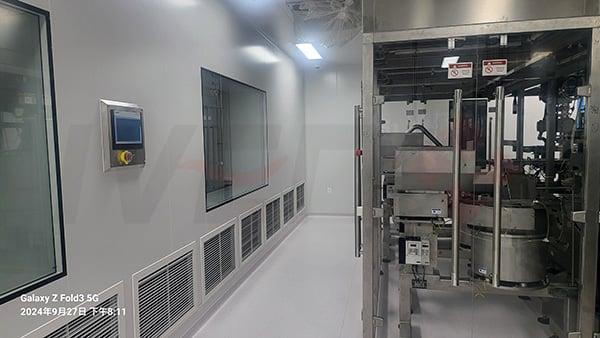
Sterile Pharma Turnkey Plants in the United States
For pharmaceutical and medical device companies in the United States, a turnkey sterile drug manufacturing plant is a fully integrated facility solution designed to support aseptic production under strict GMP, FDA, and quality requirements. Instead of buying isolated machines and coordinating multiple contractors, buyers use a turnkey model to combine process design, cleanroom engineering, utilities, filling lines, validation, documentation, and training into one coordinated project. This approach is especially valuable when expanding injectable capacity, building a new sterile site, upgrading aging facilities, or accelerating market entry for vials, ampoules, prefilled syringes, infusion products, and related sterile dosage forms.
In the U.S. market, interest in turnkey sterile manufacturing has grown because manufacturers in Boston, Raleigh-Durham, New Jersey, Houston, San Diego, and Chicago are balancing speed, regulatory readiness, labor efficiency, and total lifecycle cost. Companies also need facilities that can adapt to Annex 1 expectations, contamination control strategies, digital batch management, and sustainability goals. Whether the buyer is a large pharma group, CDMO, hospital product manufacturer, or specialist biotech firm, the main decision is no longer just about equipment price. It is about integration quality, validation risk, supply chain resilience, and long-term production performance.
What Is a Turnkey Sterile Drug Manufacturing Plant and What Is It Used For in Pharmaceutical Production?

A turnkey sterile drug manufacturing plant is a complete pharmaceutical production solution delivered as an integrated project. The supplier or engineering partner typically takes responsibility for process planning, facility layout, core equipment, utilities, automation, qualification support, and commissioning so the buyer receives an operational manufacturing line rather than a collection of separate systems.
In practical terms, this type of plant is used for the production of sterile medicines that must be protected from microbial, particulate, and cross-contamination risks. In the United States, the most common use cases include:
- Injectable vial filling and stoppering lines
- Ampoule washing, filling, and sealing
- Prefilled syringe manufacturing
- Large-volume parenteral solutions
- Small-volume injectable products
- Biologic fill-finish areas
- Dialysis and irrigation solution systems
A typical turnkey scope may include purified water generation, water for injection systems, clean steam, CIP/SIP, HVAC, cleanrooms, isolators or RABS, washing tunnels, depyrogenation, solution preparation, sterile filtration, aseptic filling, capping, visual inspection, packaging, warehouse interfaces, and electronic control systems. For buyers operating under U.S. FDA cGMP rules, this integrated approach reduces handoff problems that often occur when civil contractors, equipment vendors, and validation teams work independently.
| Plant Element | Function | Typical U.S. Use Case | Regulatory Impact | Main Risk if Poorly Integrated | Business Effect |
|---|---|---|---|---|---|
| Cleanroom and HVAC | Controls air cleanliness, pressure, and temperature | Aseptic fill-finish suites | Critical to contamination control | Environmental monitoring failures | Batch rejection and delayed approval |
| Water for Injection System | Provides high-purity process water | Injectable formulation preparation | Direct quality impact | Microbial or endotoxin excursions | Shutdown and remediation costs |
| Washing and Depyrogenation | Prepares containers for sterile filling | Vials and ampoules | Required for validated sterility assurance | Particulate or endotoxin carryover | Reduced yield and higher QA burden |
| Aseptic Filling Line | Fills sterile product into final container | Vials, syringes, cartridges | Core GMP system | Fill accuracy or intervention risks | Product loss and recall exposure |
| Automation and SCADA | Tracks process control and alarms | Modern digital facilities | Supports data integrity | Manual recording errors | Inspection observations |
| Qualification and Validation | Documents fitness for intended use | FDA inspection readiness | Essential for release and licensing | Weak IQ/OQ/PQ evidence | Go-live delays |
The table above shows why turnkey delivery matters. In sterile operations, each subsystem affects the next one. Poor integration can create hidden costs that are much larger than the price difference between suppliers.
Main Applications and Benefits of Turnkey Sterile Drug Manufacturing in Modern Pharmaceutical Manufacturing

Turnkey sterile manufacturing plants are widely used where product sterility, traceability, and reliable output are essential. In the United States, demand is especially strong among injectable drug manufacturers, contract development and manufacturing organizations, hospital supply producers, and biologics companies scaling fill-finish capacity.
The main applications include conventional injectable products, high-value oncology drugs, peptide and biologic fill-finish, ophthalmic products, infusion therapy, and specialty hospital medicines. CDMOs in New Jersey and California often choose turnkey projects because they need to launch multiple customer products quickly while keeping a flexible validation framework. Large pharmaceutical companies near Philadelphia and Indianapolis may use turnkey projects to replace outdated cleanrooms or expand high-speed vial filling.
Benefits usually include faster project coordination, a single engineering responsibility chain, better layout efficiency, lower validation friction, and more predictable startup. A strong turnkey partner can also help balance U.S. labor costs by increasing automation and reducing manual interventions.
| Application | Typical Product | Why Turnkey Helps | Operational Benefit | Quality Benefit | Strategic Benefit |
|---|---|---|---|---|---|
| Small-volume injectables | Vials for antibiotics or anesthetics | Integrates wash, depyrogenation, fill, and cap | Higher line efficiency | Lower contamination exposure | Faster capacity expansion |
| Large-volume parenterals | IV bags and bottles | Coordinates preparation, filling, sterilization, and packing | Stable high output | Consistent sterility assurance | Supports hospital supply contracts |
| Biologic fill-finish | Sensitive protein injectables | Enables closed systems and precise control | Lower product loss | Protects high-value batches | Improves launch readiness |
| Prefilled syringes | Specialty injectable therapies | Aligns nest handling, filling, stoppering, and inspection | Reduced handling steps | Improved consistency | Premium market positioning |
| Ophthalmic sterile products | Eye drops or specialty sterile liquids | Supports cleanroom and filtration control | Reliable lot performance | Lower deviation risk | Supports niche product lines |
| Dialysis and irrigation products | Medical sterile solutions | Combines water, preparation, filling, and packaging | Large-batch stability | Better process control | Expands medical consumables business |
Another major advantage is futureproofing. New U.S. projects increasingly require flexible layouts for multi-format production, robotics, electronic batch records, and sustainability controls such as energy-efficient HVAC and water recovery strategies. These features are easier to implement from the start in a turnkey project than to retrofit later.
The bar chart illustrates where demand is concentrated in the United States. Vial injectables and biologic fill-finish remain top investment areas, but prefilled syringes continue to gain importance as drug delivery formats evolve.
Key Types, Models and Technical Options for Turnkey Sterile Drug Manufacturing

There is no single turnkey sterile plant design. U.S. buyers usually compare solutions by dosage form, throughput, containment needs, cleanroom philosophy, and level of automation. The best choice depends on product portfolio, batch size, expansion plans, and inspection strategy.
Common plant types include vial lines, ampoule lines, prefilled syringe lines, BFS-related integrated systems, IV solution plants, and combination facilities with multiple aseptic formats. Technical options may include open RABS, closed isolators, automatic loading systems, robotic transfer, lyophilization interfaces, in-line weighing, vision inspection, and manufacturing execution software.
| Plant Type | Main Container | Typical Output Style | Best Fit | Technical Options | Key Buying Note |
|---|---|---|---|---|---|
| Vial aseptic fill-finish plant | Glass or polymer vials | Medium to high speed | General injectables and biologics | Isolator, lyo interface, 100% IPC | Most versatile U.S. investment category |
| Ampoule production plant | Glass ampoules | High-speed continuous line | Traditional sterile liquid products | Open/closed filling, leak testing | Less flexible than vials but efficient for specific SKUs |
| Prefilled syringe plant | Nest or bulk syringes | Precision-oriented production | High-value specialty therapies | Nest tub handling, plunger systems, vision inspection | Requires strong particulate control |
| IV solution plant | Soft bags, PP bottles, glass bottles | Large-batch output | Hospital and infusion markets | Form-fill-seal, terminal sterilization, bag packing | Utility design strongly affects operating cost |
| Biologic fill-finish suite | Vials or syringes | Smaller batch, high value | Biotech and CDMO projects | Single-use prep, isolators, low hold-up paths | Focus on yield protection and flexibility |
| Multi-product sterile plant | Mixed formats | Flexible scheduling | CDMOs and diversified pharma groups | Modular cleanrooms, quick changeover automation | Best when future portfolio is uncertain |
For companies evaluating technology depth, one important factor is whether the supplier can integrate upstream and downstream functions instead of only providing a filler. This is where advanced engineering groups stand out. In the area of technological capabilities, IVEN Pharmatech Engineering is known for integrated solutions spanning aseptic filling, water treatment, solution preparation, logistics, and packaging coordination, with project concepts aligned to FDA cGMP, EU GMP, WHO GMP, and PIC/S expectations. That matters for U.S. buyers seeking global compliance logic rather than a narrow machine-only offer.
Another technical decision is the utility backbone. Turnkey sterile projects often succeed or fail based on purified water, WFI, clean steam, piping slope design, heat exchange, and automation architecture. U.S. facilities in humid regions such as Florida or Gulf Coast locations must also account for heavier HVAC loads and robust environmental control strategies.
Turnkey Sterile Drug Manufacturing vs Alternative Technologies: Which Solution Fits Your Needs?
Some manufacturers still debate whether a turnkey plant is preferable to piecemeal procurement, contract manufacturing, modular pods, or partial upgrades to existing lines. The answer depends on urgency, in-house engineering capacity, regulatory maturity, and product complexity.
A turnkey project is usually the strongest fit when a company needs a new line or facility with clear accountability and limited tolerance for integration risk. Piecemeal procurement may work for organizations with a large internal engineering department and enough time to manage multiple interfaces. Contract manufacturing can reduce capital expense, but it also reduces control over scheduling and proprietary process know-how. Modular units are useful for speed, but they may not suit every throughput or utility requirement.
| Option | Capital Profile | Control Level | Speed to Launch | Regulatory Coordination | Best For |
|---|---|---|---|---|---|
| Full turnkey plant | High upfront, optimized lifecycle value | High | Fast if well managed | Centralized | Strategic long-term sterile capacity |
| Piecemeal equipment buying | Variable | High | Usually slower | Buyer-managed | Experienced engineering organizations |
| CDMO outsourcing | Low capital, higher operating spend | Low to medium | Often fast initially | Shared with contractor | Early-stage or limited volume products |
| Modular sterile suites | Medium to high | Medium to high | Fast installation | Manageable | Fast deployment or expansion projects |
| Retrofit of old line | Medium | Medium | Moderate | Complex due to legacy systems | Sites with usable infrastructure |
| Hybrid approach | Balanced | Medium to high | Project-dependent | Mixed | Phased investment programs |
This comparison is useful for board-level planning. If the project is mission-critical, the value of unified accountability often outweighs the apparent short-term savings of a fragmented purchasing strategy.
Market Overview and Future Trends for Turnkey Sterile Drug Manufacturing in Pharmaceutical Manufacturing
The U.S. sterile manufacturing market remains one of the most active in the world. Demand is being driven by injectable drug growth, biologics expansion, domestic supply resilience efforts, shortages in hospital products, and the modernization of aging plants across the Northeast, Midwest, and Southeast. Major import gateways such as the Port of Los Angeles, Port of Long Beach, Port of Savannah, Port of New York and New Jersey, and Houston logistics corridors also influence equipment delivery planning and project schedules.
From 2024 through 2026, buyers are watching several key trends. First, FDA expectations around contamination control strategy, data integrity, and process knowledge are increasing the need for better engineering documentation. Second, labor shortages are pushing more automation, robotics, and recipe-driven operation. Third, sustainability targets are reshaping clean utility design, HVAC recovery, and water consumption control. Fourth, the growth of specialty therapies is increasing demand for flexible, smaller-batch, higher-value aseptic platforms.
The line chart reflects realistic momentum in U.S. investment planning. While specific spending varies by company and product class, the overall direction remains positive.
By 2026, future-ready sterile facilities will increasingly feature:
- Closed or highly protected filling environments
- Greater use of robotic intervention reduction
- Integrated serialization and electronic batch records
- Single-use process segments for biologic flexibility
- Predictive maintenance and remote diagnostics
- Lower energy cleanrooms and smarter utility balancing
The area chart shows a clear trend shift toward integrated automated systems. This change is not just technological. It is also tied to regulatory confidence, staffing economics, and the need for more resilient supply chains in the United States.
How to Choose a Reliable Turnkey Sterile Drug Manufacturing Manufacturer or Supplier
Supplier selection should be based on more than brochures and machine photos. U.S. buyers need to assess technical depth, project governance, validation support, after-sales response, documentation quality, and prior experience with FDA-oriented facilities. A reliable turnkey supplier should be able to explain not only what equipment it will deliver, but how process risk will be managed from URS through SAT, IQ, OQ, PQ, and ongoing service.
Buyers should request evidence in five main areas: engineering competence, manufacturing consistency, quality systems, service infrastructure, and project references. It is also important to evaluate whether the supplier understands practical U.S. concerns such as customs timing, local code coordination, spare parts strategy, and on-site training expectations.
| Evaluation Factor | What to Ask | Why It Matters | Warning Sign | Strong Supplier Signal | Decision Impact |
|---|---|---|---|---|---|
| Regulatory understanding | Can they align with FDA cGMP and global GMP frameworks? | Reduces redesign risk | Generic answers | Clear validation roadmap | Very high |
| Engineering capability | Do they handle utilities, cleanrooms, and process integration? | Avoids interface gaps | Only sells stand-alone equipment | Integrated P&ID and layout support | Very high |
| Manufacturing depth | Do they make critical equipment in-house? | Supports quality control and lead time | Heavy outsourcing without transparency | Specialized plants and test protocols | High |
| Project references | Do they have sterile projects in developed markets? | Shows execution ability | No verifiable examples | Cross-border project record | High |
| Service model | What happens after installation? | Protects uptime | Weak spare parts or training support | Lifecycle service structure | High |
| Documentation quality | Are FAT, manuals, protocols, and traceability robust? | Speeds qualification | Minimal or inconsistent docs | Structured GMP package | High |
From a manufacturing capabilities perspective, IVEN Pharmatech Engineering benefits from specialized production resources across filling and packaging machinery, pharmaceutical water treatment systems, intelligent conveying systems, and blood collection tube equipment. For U.S. buyers, this matters because in-house manufacturing breadth often means better control over compatibility, quality consistency, and delivery coordination than a broker-led model.
For companies comparing vendors, it is useful to review a supplier’s broader project delivery approach on its turnkey pharmaceutical engineering page, verify background through the company profile, examine relevant equipment categories through the product portfolio, and discuss project-specific requirements via the U.S. project contact channel.
Investment Cost, Budget Planning and ROI Analysis for Turnkey Sterile Drug Manufacturing
Budget planning for a turnkey sterile plant in the United States must go beyond equipment cost. Total project economics typically include design, facility adaptation or construction, cleanroom systems, utility generation, process equipment, automation, shipping, installation, commissioning, validation, training, and ongoing maintenance. Land and local construction conditions can significantly affect total cost, especially in high-cost regions such as the Boston area, the San Francisco Bay Area, and parts of New Jersey.
Capital expenditure can vary widely depending on dosage form and capacity. A compact sterile fill-finish suite may be feasible at a much lower budget than a full IV solution factory with water systems, preparation tanks, packaging, and logistics integration. Buyers should also model downtime cost, future expansion needs, and labor savings from automation.
| Budget Category | Typical Share of Total Project | Cost Driver | Can It Be Optimized? | Common Oversight | ROI Relevance |
|---|---|---|---|---|---|
| Facility and cleanroom works | 20% to 30% | Building condition and classification scope | Yes, through smart layout | Overbuilding support areas | High |
| Utilities | 12% to 20% | WFI, HVAC, clean steam, compressed gases | Yes, via efficient design | Ignoring lifecycle energy use | Very high |
| Core process equipment | 25% to 35% | Filling technology and throughput | Partly | Buying for peak demand only | Very high |
| Automation and data systems | 6% to 12% | SCADA, MES, recipe control | Yes | Underestimating integration effort | High |
| Validation and documentation | 5% to 10% | Protocol depth and compliance target | Limited | Budgeting too late | High |
| Training and startup support | 2% to 5% | Operator readiness | Yes | Insufficient operator qualification time | Medium to high |
ROI analysis should consider more than gross output. Better indicators include reduction in batch rejection, lower manual intervention rates, reduced maintenance interruptions, shorter time to validation approval, and stronger customer confidence for CDMOs. In many U.S. cases, the payback advantage of a well-designed turnkey system comes from avoiding hidden inefficiencies rather than simply producing more units per hour.
For example, a supplier with strong service capabilities can materially improve lifecycle returns. IVEN’s model emphasizes feasibility consultation, engineering design, customization, installation, commissioning, validation support, training, and post-handover optimization. That kind of continuity is valuable when a U.S. plant wants faster problem resolution and better long-term process stability.
Key Considerations and Potential Risks When Investing in Turnkey Sterile Drug Manufacturing
The main risks in a sterile turnkey project are usually not obvious at the quotation stage. They emerge later through layout conflicts, utility undersizing, poor documentation, delayed FAT, weak training, or qualification gaps. A project that looks less expensive on paper can become far more costly when startup slips by six months.
Key issues to review include contamination control strategy, operator flows, material transfer paths, environmental monitoring design, cleaning validation logic, utility redundancy, spare parts planning, and cyber or data integrity considerations. U.S. buyers should also assess tariff exposure, freight timing, port congestion, installation labor availability, and customs compliance if importing major systems through hubs such as Los Angeles, Newark, Savannah, or Houston.
| Risk Area | Example Problem | Likely Cause | Impact | Prevention Method | Owner |
|---|---|---|---|---|---|
| Layout mismatch | Operator and material cross-traffic | Poor early design review | GMP deviations | 3D layout verification and process mapping | Buyer and EPC partner |
| Utility undersizing | WFI or HVAC cannot support peak load | Weak demand modeling | Output limitations | Capacity simulation with growth margin | Engineering team |
| Validation delay | Incomplete IQ/OQ documents | Late documentation planning | Go-live delay | Protocol drafting early in project | Supplier and QA |
| Operator readiness gap | Human interventions remain high | Insufficient training | Contamination risk | Structured training and media fill practice | Operations team |
| Supply chain disruption | Late shipment of critical components | Weak procurement control | Schedule slippage | Milestone visibility and dual sourcing | Project manager |
| Lifecycle support weakness | Long downtime waiting for parts | No service plan | Revenue loss | Spare parts package and remote support | Buyer and supplier |
One of the best ways to reduce these risks is to work with a partner that has delivered integrated production lines at scale and can connect process, utility, and compliance thinking from the beginning. This becomes even more important when expansion is phased, products are high value, or the target market includes both U.S. and international distribution.
FAQ
What is included in a turnkey sterile drug manufacturing plant?
It usually includes process design, cleanroom systems, water and steam utilities, washing and sterilization, aseptic filling equipment, automation, qualification support, documentation, training, and commissioning.
Is a turnkey plant suitable for FDA-regulated production in the United States?
Yes, provided the project is designed, documented, and validated according to applicable FDA cGMP expectations and supported by a robust quality system.
Which industries most often buy these systems?
Large pharmaceutical companies, injectable manufacturers, biotech firms, CDMOs, hospital product suppliers, and some medical consumables producers are the main buyers.
How long does a turnkey sterile plant project take?
Project duration depends on complexity, but many sterile projects require 12 to 24 months from concept to validated startup, with larger greenfield facilities taking longer.
What is the difference between a turnkey plant and buying a filling machine only?
A filling machine is one component. A turnkey plant includes the surrounding infrastructure, utilities, process integration, validation support, and facility coordination needed to operate compliantly.
Are turnkey solutions only for greenfield projects?
No. They can also be used for brownfield modernization, line replacement, utility upgrades, or phased expansion inside an existing U.S. manufacturing site.
What should U.S. buyers check before selecting an overseas supplier?
They should verify regulatory understanding, documentation standards, lead times, in-house manufacturing depth, service response, shipping experience, installation support, and reference projects.
How important is after-sales service?
It is critical. Sterile facilities rely on fast troubleshooting, spare parts access, requalification support, and ongoing optimization to protect uptime and compliance.
Why do integrated engineering companies have an advantage?
Because they can coordinate the full production chain, reduce interface disputes, and provide a single technical responsibility structure across process, utilities, and compliance.
How can companies start evaluating the right solution?
They should define product types, target capacity, future expansion plans, regulatory goals, budget limits, and site constraints, then compare suppliers on total project capability rather than machine price alone.
For the United States market, the strongest investments in turnkey sterile drug manufacturing are those that combine compliance readiness, intelligent automation, robust utility design, and dependable lifecycle support. Companies that treat the project as a strategic manufacturing platform rather than a simple equipment purchase are more likely to achieve faster validation, stronger operating performance, and a more resilient long-term supply position.

About the Author
We are IVEN Pharmatech Engineering, a team dedicated to delivering turnkey pharmaceutical and medical solutions worldwide. With decades of experience, we specialize in advanced machinery, integrated factory design, and full lifecycle support to help our clients achieve efficient, compliant, and high-quality production.
Share

Related Insights
-
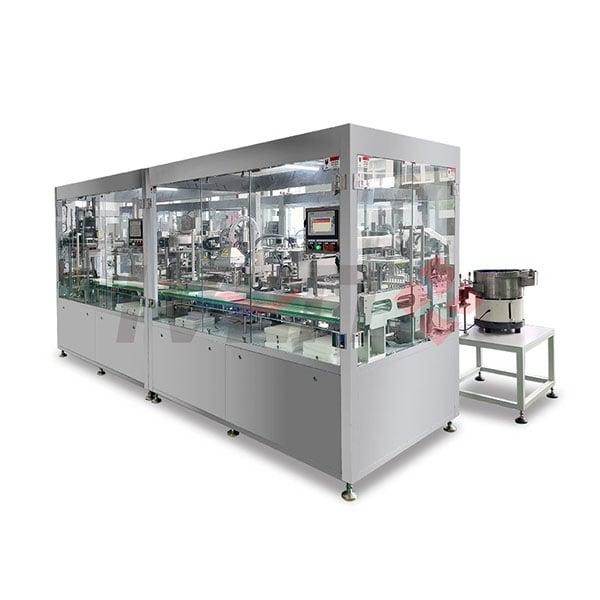
Automated Blood Tube Production Lines in the United States
For medical device manufacturers serving hospitals, reference laboratories, blood centers, and diagnostic networks, an automated blood collection tube production line is one of the most efficient ways to scale output while improving consistency. In the United States, where buyers often prioritize FDA-aligned manufacturing practices, stable supply, traceability, and repeatable quality, automation helps producers meet demand for serum tubes, plasma tubes, EDTA tubes, citrate tubes, and specialty diagnostic consumables with less manual variation and better throughput control.
Compared with fragmented or labor-intensive assembly, a modern automated blood collection tube production line integrates tube feeding, dosing, drying, stopper assembly, vacuuming, capping, labeling, inspection, packing, and data monitoring into a coordinated manufacturing system. This matters in large medical markets such as New York, Los Angeles, Houston, Chicago, Boston, and Atlanta, where healthcare systems and laboratory networks rely on dependable supply chains moving through major logistics hubs and ports including the Port of Los Angeles, Port of Long Beach, Port of New York and New Jersey, Savannah, and Houston.
For companies evaluating equipment partners, it is important to look beyond the machine itself. A strong supplier should offer process design, validation support, customization for local compliance expectations, and long-term technical service. Companies exploring integrated pharmaceutical and medical device engineering can review our company background to understand global project experience, or explore turnkey project capabilities when planning a full facility rather than a standalone line.
An automated blood collection tube production line enables medical device companies to manufacture large volumes of high-quality blood collection tubes with reliable cycle control, lower defect rates, and stronger process traceability. For the United States market, this means better support for regulatory expectations, tighter quality assurance, and improved ability to supply hospital systems, independent diagnostic laboratories, contract manufacturers, and public health programs.
The biggest advantages are straightforward:
In practical terms, automation is especially valuable when manufacturers need to serve multi-site healthcare customers across the United States. A supplier delivering to California, Texas, Florida, Pennsylvania, and the Midwest cannot rely on inconsistent manual assembly without risking variation in tube quality, delayed shipments, or high rework rates. Automated lines create more predictable output and stronger planning for nationwide distribution.
Business NeedHow Automation HelpsWhy It Matters in the United StatesHigh daily outputContinuous synchronized production reduces stoppagesSupports large hospital and lab purchasing contractsProduct consistencyControlled dosing, vacuuming, and cappingHelps meet stricter QA and customer acceptance standardsLabor efficiencyLess manual handling and fewer repetitive tasksUseful where labor costs are high or staffing is unstableTraceabilityProduction data can be logged by batch and stationImportant for quality systems and auditsDefect reductionVision inspection and auto-rejection remove nonconforming unitsImproves supplier credibility with U.S. buyersScalabilityModular expansion supports more SKUs and capacityAllows growth without redesigning the full plantCleaner productionIntegrated transfer and enclosed process zonesSupports medical consumable manufacturing standardsThe table above shows why automation is no longer viewed as optional for serious blood tube manufacturing. It is increasingly the baseline for suppliers that want long-term competitiveness, particularly in a market where purchasing departments compare not just price, but also lead time, validation readiness, and quality history.
An automated blood collection tube production line is a specialized manufacturing system designed to produce vacuum blood collection tubes used for venous blood sampling. Depending on the product design, the line may process PET or glass tubes, insert or apply chemical additives, dry coatings when needed, fit butyl or rubber stoppers, create the required internal vacuum, inspect key parameters, label the products, and pack them for shipment.
The exact process varies by tube type, but a typical line includes multiple linked modules. These modules are configured according to required capacity, additive chemistry, packaging style, and cleanroom layout. For example, a producer making EDTA tubes at high volume may prioritize very stable micro-dosing and drying performance, while a serum separation tube producer may focus more on gel handling, centrifugation compatibility, and stopper fit integrity.
Process StageMain FunctionTypical Automation BenefitTube feedingOrients and supplies empty tubes to the lineReduces jams and manual loading errorsCleaning or air treatmentRemoves particles before fillingImproves cleanliness and final qualityAdditive dosingApplies anticoagulant, clot activator, gel, or preservativeHigh dosing repeatability and lower wasteDrying or curingStabilizes additives or coatings inside the tubeSupports uniform product performanceStopper insertionPlaces cap or closure accuratelyBetter seal consistencyVacuum creationSets internal negative pressure to required draw volumeImproves tube draw accuracy and shelf performanceInspection and rejectionChecks fill, closure, appearance, and labelingDetects defects before packingLabeling and packingApplies labels and prepares shipping cartonsBoosts line speed and traceabilityFrom a technology standpoint, advanced systems use PLC control, servo motion, HMI interfaces, machine vision, recipe management, and production data collection. More sophisticated lines may also support remote diagnostics, electronic maintenance logs, and validation-friendly document packages. This is especially relevant for U.S. projects where engineering teams often request IQ, OQ, and PQ documentation support.
On the technological capability side, IVEN Pharmatech Engineering has built expertise in vacuum blood collection tube production equipment alongside broader pharmaceutical engineering systems. This matters because blood tube lines often benefit from knowledge that overlaps with sterile processing, water treatment, conveying, packaging, and plant-wide automation. Manufacturers that understand full process integration can usually deliver better line balance, cleaner layouts, and stronger long-term performance.
Automated blood collection tube production lines serve multiple buyer groups in the United States. The most obvious customers are medical consumable manufacturers, but the applications extend further into contract manufacturing, OEM production, private labeling, public health supply, and vertically integrated diagnostic companies.
Key application areas include routine clinical chemistry, hematology, coagulation testing, blood banking support, infectious disease testing, molecular diagnostics, and specialty lab workflows. As decentralized healthcare expands, demand also grows from urgent care networks, regional laboratory chains, and home-collection support programs.
Application SegmentTube Types Commonly NeededMain Production BenefitHospital systemsSerum, EDTA, heparin, citrateConsistent bulk supply across multiple facilitiesDiagnostic laboratoriesHigh-throughput routine collection tubesReliable lot-to-lot performanceContract manufacturingMulti-SKU private label tubesFast product changeovers and recipe controlPublic health programsSpecial collection formatsScalable surge productionResearch institutionsSpecial additives or niche tube formatsCustomization for smaller but precise batchesExport-oriented suppliersMixed product portfoliosStandardized quality for global shipmentsIntegrated diagnostics brandsBrand-specific collection productsBetter control over supply chain and product imageThe table above highlights that the line is not just a machine for making tubes. It is a strategic asset that supports market positioning. If a company wants to win accounts in Boston, San Diego, Raleigh-Durham, or Minneapolis, the ability to demonstrate stable production, quality consistency, and SKU flexibility can directly affect commercial success.
Beyond output volume, the real production benefits are operational. Automated equipment helps standardize additive application, improves closure reliability, reduces contamination risk from excess human handling, and supports faster release of finished products when inspection systems are robust. For organizations operating multiple sites or planning future expansion, standardized production lines also simplify training and spare parts management.
There is no single universal automated blood collection tube production line. The right configuration depends on tube material, additives, target speed, packaging style, facility utilities, and the degree of automation required. U.S. buyers often request configurations aligned with both current demand and future product diversification.
At the most basic level, lines can be categorized by tube material, tube function, production speed, and level of downstream integration. Some companies start with a semi-automated or mid-speed line and later add vacuum modules, labeling systems, cartoning, and warehouse logistics.
Line Type or ConfigurationBest ForTypical Feature SetPET tube production lineHigh-volume disposable tube manufacturingFast handling, lightweight packaging compatibilityGlass tube production lineMarkets requiring traditional glass collection tubesRobust transport and breakage controlSerum tube lineGeneral clinical chemistry applicationsClot activator or gel dosing capabilityEDTA tube lineHematology applicationsPrecise anticoagulant dosing and dryingCitrate tube lineCoagulation testingTighter draw volume and additive ratio controlHeparin tube linePlasma chemistry testingCoating consistency and process stabilityIntegrated packaging lineLarge-scale branded productsLabeling, tray loading, boxing, case packingModular expansion lineGrowing manufacturersUpgrade path for new SKUs and capacity increasesAnother major configuration choice is the automation level. A company supplying regional healthcare providers may be comfortable with a medium-speed system, while a manufacturer targeting national distribution across the United States will likely prefer a higher-speed, fully integrated solution. In ports and trade corridors such as Los Angeles, New Jersey, Savannah, and Houston, a stronger packaging and logistics interface can also reduce lead time pressure after production is complete.
Manufacturing capability is an important filter at this stage. IVEN Pharmatech Engineering operates specialized manufacturing plants focused on pharmaceutical filling and packaging machinery, water treatment systems, intelligent conveying and logistics, and vacuum blood collection tube equipment. For buyers, this multi-plant structure can be meaningful because it supports better vertical integration of core subsystems rather than depending entirely on outsourced assembly.
Manual assembly lines still exist in some lower-volume settings, but they are increasingly difficult to justify where quality, speed, and traceability are critical. In the United States, manual production can face challenges related to labor cost, training consistency, documentation rigor, and customer expectations for repeatable performance.
Comparison FactorAutomated LineManual or Labor-Heavy LineOutput speedHigh and predictableLower and more variableDosing consistencyControlled by system parametersDepends heavily on operator skillVacuum stabilityMore repeatable across batchesHarder to maintain uniformlyDefect inspectionVision systems and auto rejectionMore dependent on human observationTraceabilityDigital records and batch dataMore paperwork and greater risk of gapsLabor demandLower direct labor per unitHigher staffing requirementScalabilityModular capacity upgrades possibleScaling often means adding more laborLong-term unit costUsually lower at commercial volumesOften higher over timeThe comparison is not only financial. Automated lines also support process discipline, which is essential for customer confidence. A hospital network in Chicago or a reference laboratory in New Jersey may ask detailed questions about process validation, in-process controls, lot release, and quality trend analysis. Automation makes those conversations easier because the production system itself provides structure.
There are still scenarios where limited manual handling is acceptable, especially for niche R&D production, pilot lots, or short specialty runs. However, once the goal shifts toward routine commercial output, the balance usually favors automation. This is particularly true when demand volatility requires quick ramp-up during seasonal surges or public health events.
var ctxComparison = document.getElementById(‘comparisonChart’).getContext(‘2d’);var comparisonChart = new Chart(ctxComparison, { type: ‘bar’, data: { labels: [‘Output Speed’, ‘Quality Consistency’, ‘Traceability’, ‘Labor Efficiency’, ‘Scalability’, ‘Inspection Accuracy’], datasets: [ { label: ‘Automated Line’, data: [92, 95, 94, 90, 93, 96], backgroundColor: ‘rgba(54, 162, 235, 0.7)’ }, { label: ‘Manual Line’, data: [48, 58, 50, 42, 46, 55], backgroundColor: ‘rgba(255, 99, 132, 0.7)’ } ] }, options: { responsive: true, maintainAspectRatio: false }});The United States remains one of the most attractive markets for blood collection consumables and related manufacturing equipment due to its large healthcare infrastructure, strong diagnostic testing volume, aging population, chronic disease prevalence, and continuing investment in laboratory modernization. Growth is also supported by outpatient expansion, preventive care, specialized testing, and decentralized sample collection models.
Manufacturers are finding opportunities in several areas:
In 2026 and beyond, three trend groups are likely to influence buying decisions. First, technology: more demand for smart factories, servo control, predictive maintenance, vision analytics, and MES connectivity. Second, policy: stricter scrutiny of supply security, quality records, and domestic resilience for critical medical products. Third, sustainability: stronger interest in energy-efficient drying, cleaner compressed air management, recyclable packaging, and reduced process waste.
var ctxLine = document.getElementById(‘lineChartGrowth’).getContext(‘2d’);var lineChartGrowth = new Chart(ctxLine, { type: ‘line’, data: { labels: [‘2021’, ‘2022’, ‘2023’, ‘2024’, ‘2025’, ‘2026’, ‘2027’, ‘2028’, ‘2029’, ‘2030’], datasets: [{ label: ‘Estimated U.S. Demand Index for Automated Tube Lines’, data: [78, 82, 88, 95, 103, 112, 121, 129, 138, 148], borderColor: ‘rgb(75, 192, 192)’, backgroundColor: ‘rgba(75, 192, 192, 0.15)’, fill: false, tension: 0.25 }] }, options: { responsive: true, maintainAspectRatio: false }});The line chart suggests a realistic upward trend rather than explosive short-term growth. That is consistent with how medical device capital purchases usually behave in the United States: disciplined, compliance-driven, and tied to long-term operating needs. Growth is particularly relevant near major medical manufacturing and distribution corridors such as New Jersey, North Carolina, California, Indiana, and Texas.
var ctxBar = document.getElementById(‘barChartDemand’).getContext(‘2d’);var barChartDemand = new Chart(ctxBar, { type: ‘bar’, data: { labels: [‘Hospitals’, ‘Independent Labs’, ‘OEM Brands’, ‘Contract Manufacturers’, ‘Public Health Programs’, ‘Research Institutions’], datasets: [{ label: ‘Relative Demand for Blood Collection Tubes’, data: [94, 88, 76, 72, 64, 51], backgroundColor: ‘rgba(255, 159, 64, 0.8)’ }] }, options: { responsive: true, maintainAspectRatio: false }});The bar chart shows that hospitals and independent labs remain the strongest demand anchors, but OEM and contract manufacturing channels also create room for new entrants. This is important for equipment buyers deciding whether to build a branded product business, operate as a contract producer, or support both models.
Choosing a reliable automated blood collection tube production line supplier requires a balanced review of technical capability, manufacturing depth, compliance understanding, service readiness, and commercial clarity. U.S. buyers should be cautious about selecting equipment based only on headline speed or lowest price. A line that is cheap to buy but difficult to validate, maintain, or adapt can become far more expensive over its lifecycle.
Evaluation ItemWhat to AskWhy It MattersProcess expertiseCan the supplier handle multiple tube chemistries and formats?Ensures the line supports current and future productsCompliance supportAre documentation, FAT, SAT, IQ, OQ, and PQ assistance available?Reduces validation risk in U.S. projectsCustomization abilityCan the layout be adapted to your plant and utilities?Improves installation efficiency and line fitManufacturing depthWhich components are built in-house versus outsourced?Indicates quality control and spare part stabilityService responseIs remote support or on-site commissioning available?Critical during startup and ramp-upReference projectsHas the supplier completed similar projects internationally?Shows proven execution capabilityTotal costWhat are utility, maintenance, training, and changeover costs?Prevents underestimating ownership costScalabilityCan the line be upgraded later?Protects future expansion plansService capability often becomes the deciding factor after technical review. IVEN Pharmatech Engineering has positioned itself as more than an equipment vendor by supporting feasibility consulting, engineering design, equipment selection, customization, installation, commissioning, validation support, training, and after-sales assistance. For buyers in the United States, this wider service model can help reduce the risk of schedule delays, layout mistakes, and quality uncertainty during project execution.
It is also wise to review the supplier’s broader product ecosystem. If the same partner can support water systems, conveying, packaging, and integrated factory planning, that can simplify communication and reduce interface risk. Buyers who want to see available equipment categories can explore the equipment portfolio and then discuss application-specific recommendations based on output goals, cleanroom constraints, and tube specifications.
The investment cost of an automated blood collection tube production line varies widely. A realistic budget depends on speed, level of automation, tube type, additive system complexity, cleanroom integration, packaging scope, utilities, validation requirements, and whether the project is a single machine purchase or part of a full factory build.
In the United States market, buyers should budget not only for the core line but also for facility preparation, HVAC adjustments, compressed air, purified water where applicable, quality control equipment, spare parts, installation, training, shipping, customs, and ongoing maintenance. If the project is near a major port such as Long Beach, Houston, or Newark, freight planning may be simpler, but inland transport and site readiness can still affect total cost.
Budget ItemTypical Cost ImpactPlanning NoteCore production lineHighest capital itemDepends on speed and integration levelAdditive and vacuum modulesModerate to highCritical for specialty tube accuracyInspection systemsModerateOften worth the investment for lower reject riskPackaging automationModerateImportant for labor savings at scaleFacility modificationsVariableCan increase sharply if layout is not planned wellValidation and documentationModerateEspecially important for regulated buyersTraining and commissioningModerateEssential for smooth startupSpare parts and maintenanceOngoing operational costShould be included in 3-5 year planningROI is usually driven by five factors: labor savings, higher yield, lower scrap, higher capacity, and improved order reliability. If an automated line replaces a labor-heavy process and allows a manufacturer to win larger contracts, payback can be relatively attractive. A disciplined ROI model should include:
For many buyers, the most overlooked ROI factor is customer confidence. Better lot consistency and documented quality often translate into stronger retention of hospital and laboratory accounts, especially where tenders are competitive and supplier audits are strict.
var ctxArea = document.getElementById(‘areaChartTrend’).getContext(‘2d’);var areaChartTrend = new Chart(ctxArea, { type: ‘line’, data: { labels: [‘2022’, ‘2023’, ‘2024’, ‘2025’, ‘2026’, ‘2027’, ‘2028’, ‘2029’], datasets: [{ label: ‘Shift Toward Smart and Fully Automated Lines (%)’, data: [34, 39, 45, 52, 60, 67, 73, 79], borderColor: ‘rgb(153, 102, 255)’, backgroundColor: ‘rgba(153, 102, 255, 0.25)’, fill: true, tension: 0.3 }] }, options: { responsive: true, maintainAspectRatio: false }});The area chart reflects a broader industry trend: manufacturers are shifting from isolated automation to connected, data-enabled production. This is expected to accelerate through 2026 as buyers place more weight on digital batch records, process alarms, energy monitoring, and predictive service tools.
Investing in an automated blood collection tube production line can bring strong returns, but there are clear risks if the project is poorly scoped. Many issues appear not during purchase, but during installation, startup, qualification, or the first year of operation. Smart buyers identify these early.
Common risk areas include underestimating utility needs, choosing a line without enough flexibility for future products, weak additive compatibility studies, poor cleanroom layout, limited local operator training, and insufficient spare parts planning. Another risk is selecting a supplier that can build a machine but cannot support full commissioning, documentation, and optimization.
Project planning should also account for regulatory interpretation. In the United States, customer expectations may vary depending on whether the buyer is a contract manufacturer, established medical device company, or vertically integrated diagnostics brand. Some may request more extensive qualification packages, line clearance procedures, audit support, or statistical process evidence.
From a sustainability perspective, 2026 projects should also evaluate energy use, compressed air consumption, waste generation, and packaging footprint. Buyers increasingly ask whether the line supports lower scrap, efficient drying, and adaptable carton sizing. These are no longer secondary issues; they are becoming part of procurement scoring.
When evaluating risk, it helps to work with an engineering-focused supplier that understands complete facility logic rather than just isolated machine delivery. Because IVEN Pharmatech Engineering has experience with integrated engineering and turnkey execution across pharmaceutical and medical device projects, the company can support broader planning discussions that include utilities, layout, logistics, and production flow. Companies at an early planning stage can contact the team to discuss project scope, capacity targets, and site conditions before finalizing procurement assumptions.
1. What production capacity can an automated blood collection tube production line achieve?Capacity varies by configuration, tube type, and downstream packaging level. Mid-speed and high-speed systems can support significantly different outputs, so the target should be defined by annual demand, SKU mix, and changeover frequency rather than by headline speed alone.
2. Can one line produce multiple tube types?Yes, many systems can be designed for multiple SKUs, but the practical flexibility depends on additive chemistry, stopper format, labeling requirements, and recipe management. Buyers should confirm changeover time and cleaning procedures before purchase.
3. Are these lines suitable for the United States market?Yes, if the line is designed with suitable documentation, validation support, quality controls, and process consistency. U.S. buyers typically expect strong traceability, stable performance, and clear technical files.
4. What are the most important technical modules?Additive dosing, drying, stopper insertion, vacuum creation, inspection, and labeling are the most critical from a quality perspective. The wrong configuration in any one of these areas can affect overall product performance.
5. How long does implementation usually take?Project timing depends on customization, manufacturing schedule, factory readiness, shipping, installation, and qualification. Early engineering alignment usually shortens the overall timeline and reduces startup surprises.
6. Should buyers choose a standalone line or a turnkey project?That depends on the scale of investment. If the buyer already has a suitable facility and utilities, a standalone line may be enough. If the project involves a new plant, cleanroom planning, utilities, and logistics integration, a turnkey approach is often more efficient.
7. What documents should be requested from the supplier?Typical requests include layout drawings, utility requirements, equipment specifications, FAT protocols, SAT support plans, IQ/OQ documentation formats, spare parts lists, training plans, and maintenance recommendations.
8. How important is after-sales support?It is essential. The true test of a supplier often begins after delivery, when installation, tuning, operator training, process optimization, and troubleshooting determine whether the line performs as promised.
9. What should U.S. buyers ask about sustainability in 2026?Ask about energy consumption, compressed air efficiency, scrap reduction, recyclable packaging compatibility, cleaner process design, and digital tools that help optimize machine performance over time.
10. Why consider IVEN Pharmatech Engineering?For buyers needing more than a basic machine supply, IVEN Pharmatech Engineering offers a combination of blood collection tube equipment expertise, broader pharmaceutical and medical device engineering capability, specialized manufacturing resources, and lifecycle services that can support both standalone equipment projects and larger integrated factory developments.
In summary, the right automated blood collection tube production line can help manufacturers serving the United States improve output, quality, traceability, and business resilience. Whether the goal is entering the market, replacing an older process, expanding private label capacity, or building a more advanced smart manufacturing platform for 2026 and beyond, the best results usually come from disciplined planning, application-specific customization, and partnership with an experienced engineering supplier.
-
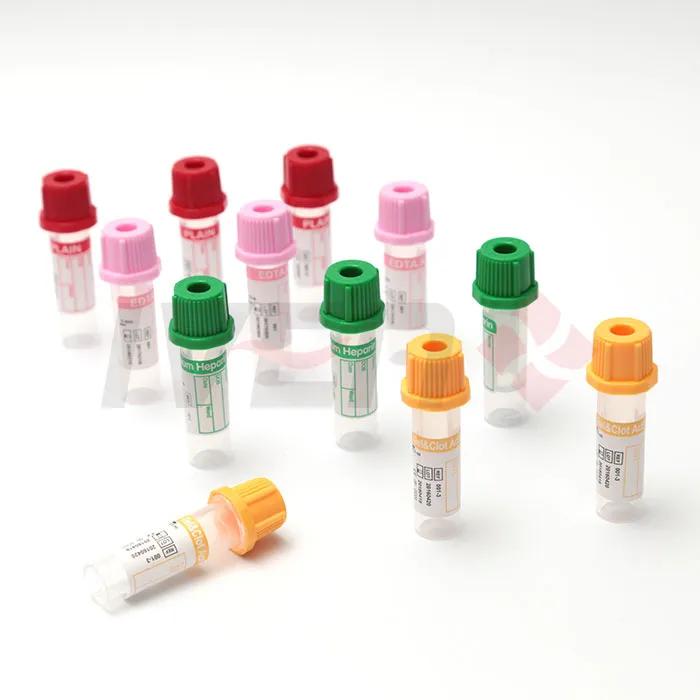
How to Start Blood Tube Manufacturing in the United States
Starting a blood collection tube manufacturing business in the United States means building a regulated medical device production system capable of supplying hospitals, diagnostic laboratories, blood centers, physician office labs, and contract packaging partners with safe, consistent, high-volume vacuum blood collection tubes. Success depends on choosing the right automation level, understanding FDA and quality system requirements, validating production processes, sourcing dependable raw materials, and planning capacity around U.S. healthcare demand. For companies entering this sector, the most practical route is usually a semi-automated or fully automated line with integrated dosing, vacuuming, capping, labeling, inspection, and packaging.
Demand remains strong across major healthcare hubs such as Boston, New York, Chicago, Houston, Atlanta, Los Angeles, and San Diego, where large hospital systems, independent lab networks, and medical distributors require dependable supply. U.S. buyers also care about lead time, lot traceability, automation reliability, and compliance readiness. If your goal is to build a competitive operation, the business case is not just about making tubes; it is about creating a validated, scalable, audit-ready manufacturing platform.
For companies evaluating complete projects, turnkey blood collection tube factory solutions can reduce engineering risk by combining process design, equipment planning, installation, commissioning, and validation support under one project structure. This is especially useful for investors who want faster execution and tighter control of cost, timeline, and regulatory documentation.
The quick answer is that blood collection tube manufacturing starts with three pillars: regulatory planning, process design, and equipment selection. In the United States, a new manufacturer must determine its product scope, such as serum tubes, EDTA tubes, citrate tubes, heparin tubes, glucose tubes, or specialty tubes; establish quality and documentation systems; secure a suitable clean and controlled production environment; and deploy a production line that can consistently form, dose, dry, assemble, vacuum, cap, inspect, and package each tube.
A viable startup model usually includes PET or glass tube handling, additive preparation, precision chemical dosing, drying or curing, stopper insertion, vacuum creation, leak testing, labeling, tray or rack loading, and final packing. Depending on capacity, the line may range from a pilot-scale setup for regional distribution to a highly automated industrial line serving national accounts. In most cases, full automation improves consistency, lowers labor dependency, and supports better in-process control.
The United States market rewards manufacturers that can supply stable quality during fluctuations in demand. The disruptions seen in medical consumables over recent years have pushed many buyers to diversify supply sources and favor producers with validated lines, robust documentation, and reliable after-sales support. That makes factory design and vendor choice central to the investment decision.
Startup StepMain ObjectiveTypical U.S. FocusRisk if IgnoredRecommended ActionTimeline RangeProduct definitionSelect tube types and sizesHospital and lab demand alignmentWrong capacity mixBuild SKU forecast by customer segment2-4 weeksRegulatory mappingDefine compliance pathwayFDA, cGMP, documentation readinessLaunch delaysUse regulatory consultants early4-8 weeksFacility planningCreate production layoutMaterial and people flowCross-contamination, bottlenecksDevelop URS and block layout4-10 weeksEquipment selectionMatch throughput to marketAutomation and validation supportLow yield, unstable qualityAudit vendors and test samples6-12 weeksProcess validationConfirm repeatabilityIQ/OQ/PQ and lot traceabilityAudit findings, recallsPrepare full validation package8-16 weeksCommercial ramp-upScale to steady ordersDistribution and service levelsMissed contractsRamp in phased capacity blocks3-9 monthsThe table above shows why new investors should treat this as a systems project rather than a simple machinery purchase. Each stage affects cost, compliance, and speed to market.
A blood collection tube manufacturing line is an integrated production system that produces disposable tubes used for collecting, storing, transporting, and processing blood samples. The line can be configured for vacuum blood collection tubes made from PET, glass, or other approved materials, and it typically supports multiple tube specifications and additives depending on intended clinical use.
The process usually begins with raw tube feeding and orientation. Tubes move through cleaning or static control handling, then pass into additive dosing stations where coagulants, anticoagulants, clot activators, gel, fluoride, or other formulations are applied. After dosing, the product may go through drying or curing to stabilize the additive. Next, stoppers or caps are assembled, vacuum is created to ensure the correct draw volume, and each unit undergoes sealing integrity checks. The line then proceeds to labeling, visual inspection, automated rejection, lot coding, and final secondary packaging.
For U.S. operations, process consistency is critical because customers expect exact fill performance, clear additive identification, strong cap fit, low leakage rates, and reliable centrifugation behavior. This is why many medical device companies prefer integrated automation with servo control, machine vision, recipe management, and data recording rather than disconnected stations.
Production lines are also increasingly linked with MES, ERP, or digital batch record systems. This is valuable for facilities in manufacturing corridors such as New Jersey, Pennsylvania, North Carolina, Texas, and California, where healthcare customers often require traceability and documented quality history from upstream production to outbound shipment.
Line ModuleFunctionQuality ImpactAutomation LevelKey CheckpointCommon UpgradeTube feeding systemSorts and orients tubesPrevents jams and scratchesSemi to fullFeed stabilityAuto unscramblerAdditive preparation unitMixes chemical reagentsEnsures formula accuracyFullConcentration controlClosed mixing tanksDosing stationDispenses additive into tubeCritical to assay performanceFullDose precisionServo micro-dosingDrying/curing systemStabilizes additivesImproves shelf lifeFullTemperature profileEnergy-saving ovenStopper insertionPlaces rubber closureSeal and contamination controlFullInsertion forceVision-assisted alignmentVacuum stationCreates specified internal vacuumControls draw volumeFullVacuum retentionLeak monitoring loopInspection unitRejects defectsReduces field failuresFullCosmetic and functional defectsAI vision moduleLabeling and packingFinal identification and boxingTraceability and logisticsSemi to fullBarcode accuracyAuto case packingThis workflow explains why buyers should review not only machine speed but also dose repeatability, vacuum stability, reject handling, and batch data capture.
Blood collection tubes are used across nearly every part of modern diagnostics. Hospitals rely on them for emergency departments, inpatient care, oncology, surgery, and routine biochemistry. Independent diagnostic laboratories use them for high-throughput sample collection and transport. Blood centers, physician office laboratories, urgent care clinics, veterinary diagnostics, and research institutions also consume large volumes.
For medical device companies, manufacturing these products offers several benefits. First, demand is recurring rather than one-time, which supports repeat orders and longer customer relationships. Second, the product family allows multi-SKU expansion, from plain tubes to gel separator, heparin, EDTA, ESR, coagulation, and glucose management tubes. Third, automated production can generate strong economies of scale once validation and market access are established.
In the United States, there is additional strategic value in domestic or near-market supply. Buyers increasingly want resilience against international shipping delays affecting gateways such as Los Angeles/Long Beach, Savannah, and New York/New Jersey. Regional stock availability can be a decisive advantage when competing for integrated delivery network contracts and lab distribution agreements.
Medical device companies also use blood collection tube production as an entry point into adjacent consumables. Once quality systems, packaging control, and distribution channels are in place, the manufacturer may expand into needles, holders, specimen containers, or diagnostic preparation components.
var ctxBarDemand = document.getElementById(‘barDemandChart’).getContext(‘2d’);var barDemandChart = new Chart(ctxBarDemand, {type: ‘bar’,data: {labels: [‘Hospitals’, ‘Independent Labs’, ‘Blood Centers’, ‘Clinics’, ‘Research’, ‘Veterinary’],datasets: [{label: ‘Estimated U.S. Demand Index’,data: [92, 88, 54, 61, 43, 37],backgroundColor: [‘#4e79a7′,’#f28e2b’,’#e15759′,’#76b7b2′,’#59a14f’,’#edc948′]}]},options: {responsive: true,maintainAspectRatio: false,plugins: { legend: { display: true } },scales: { y: { beginAtZero: true, max: 100 } }}});The demand pattern above illustrates why hospitals and independent laboratories usually anchor business planning. Their order volumes justify investment in higher-speed automated lines, while smaller sectors add SKU diversity and margin opportunities.
Not all manufacturing lines are the same. A startup should choose configuration based on target product mix, annual volume, floor space, available labor, and desired validation depth. The most common distinction is between semi-automatic systems, modular automatic lines, and complete high-speed integrated lines.
Semi-automatic lines are often selected by smaller entrants, contract manufacturers, or companies testing a regional market. They require more operator involvement but lower upfront capital. Modular automatic lines are common for growing companies because they support staged expansion. Complete integrated lines are best suited for high-volume national supply and customers demanding stable, documented throughput.
Another key choice is tube material. PET tubes are popular for lighter weight and lower shipping cost, while glass may still be preferred in some use cases depending on customer requirements. Stopper type, additive compatibility, vacuum control, and labeling format also influence machine specification.
Configuration TypeTypical CapacityBest ForCapital IntensityLabor NeedScalabilityManual bench setupVery lowR&D or trialsLowHighVery limitedSemi-automatic lineLow to mediumSmall entry projectsModerateModerate to highBasicModular automatic lineMediumRegional manufacturersModerate to highModerateGoodIntegrated high-speed lineHighNational suppliersHighLow to moderateExcellentMulti-SKU flexible lineMedium to highBroad product portfolioHighModerateExcellentTurnkey smart factory lineHighLarge strategic investorsHighLowExcellentThis comparison is important because many new entrants underestimate the cost of labor, line changeover time, and documentation needs. Buying too small can limit competitiveness; buying too large can strain cash flow before customer contracts are secured.
Manual or heavily operator-dependent assembly may appear attractive at first because of lower initial equipment cost, but it usually introduces more quality variation, higher training burden, and greater compliance risk. In a regulated U.S. environment, repeatability matters more than simple startup affordability.
Automated blood collection tube manufacturing offers better dosing consistency, more stable vacuum levels, improved cap insertion accuracy, and stronger traceability. It also helps reduce particulate contamination and supports digital monitoring. Manual lines, by contrast, may struggle when customers demand larger validated batches or stricter incoming audits.
For companies competing in metropolitan procurement markets such as New York, Philadelphia, Dallas, and Miami, automated production often becomes the deciding factor in winning larger tenders. Hospital systems and major distributors tend to prefer suppliers that can demonstrate documented process control and consistent lot performance.
FactorAutomated Manufacturing LineManual Assembly LineMain Advantage of AutomationBusiness EffectBuyer PerceptionDose precisionHigh and repeatableVariableLower product variabilityFewer complaintsPositiveVacuum consistencyControlled by systemHard to standardizeReliable draw volumeBetter clinical acceptanceStrongLabor dependencyLowerHighReduced staffing riskStable outputPositiveTraceabilityDigital records possibleOften paper-heavyAudit readinessFaster investigationsStrongDefect detectionVision inspection availableManual inspection limitedHigher quality assuranceLower rejection at customer sitePositiveScale-up abilityHighLowSupports growthBetter ROI long termStrongThe business advantage is clear: automation is not only about speed, but about proving reliable process capability to U.S. buyers and regulators.
The U.S. market for blood collection consumables remains supported by aging demographics, expanded chronic disease monitoring, outpatient diagnostics, preventive testing, and growth in decentralized healthcare delivery. Demand is also influenced by rising specimen volume in oncology, cardiovascular monitoring, infectious disease testing, and routine wellness screening.
In commercial terms, opportunities are strongest in three areas. First, replacement of legacy supply chains with more resilient sourcing models. Second, demand for automation-ready high-volume suppliers capable of serving large lab networks. Third, rising interest in sustainable packaging and production efficiency. Manufacturers that can reduce material waste, improve energy use, and optimize transport packaging may gain an edge with procurement teams.
Another opportunity is private-label or contract manufacturing. Distributors and healthcare brands in the United States often prefer to market their own label while relying on specialized manufacturers for production and documentation. This can shorten sales cycles if your operation is already validated and flexible enough to support multiple SKUs.
var ctxLineGrowth = document.getElementById(‘lineGrowthChart’).getContext(‘2d’);var lineGrowthChart = new Chart(ctxLineGrowth, {type: ‘line’,data: {labels: [‘2022’, ‘2023’, ‘2024’, ‘2025’, ‘2026’, ‘2027’, ‘2028’, ‘2029’, ‘2030’],datasets: [{label: ‘U.S. Blood Collection Tube Market Index’,data: [100, 106, 112, 119, 127, 136, 145, 154, 164],borderColor: ‘#2ca02c’,backgroundColor: ‘rgba(44,160,44,0.1)’,fill: false,tension: 0.25}]},options: {responsive: true,maintainAspectRatio: false,plugins: { legend: { display: true } },scales: { y: { beginAtZero: false } }}});The growth curve suggests a steady expansion pattern rather than a short-term spike, which supports investment in durable production assets with long service life.
Looking toward 2026 and beyond, several trends will shape the market. Smart manufacturing will become more common, with remote diagnostics, predictive maintenance, and real-time process analytics. Policy pressure on supply resilience may continue to favor domestic or U.S.-supported manufacturing footprints. Sustainability requirements will push reduced energy consumption, recyclable packaging, lower scrap rates, and more efficient clean utility systems. Companies that prepare for these trends now will be better positioned when procurement standards tighten.
var ctxAreaTrend = document.getElementById(‘areaTrendChart’).getContext(‘2d’);var areaTrendChart = new Chart(ctxAreaTrend, {type: ‘line’,data: {labels: [‘2023’, ‘2024’, ‘2025’, ‘2026’, ‘2027’, ‘2028’, ‘2029’],datasets: [{label: ‘Share of Automated and Sustainable Production Preference’,data: [38, 45, 53, 61, 68, 74, 80],borderColor: ‘#17becf’,backgroundColor: ‘rgba(23,190,207,0.25)’,fill: true,tension: 0.3}]},options: {responsive: true,maintainAspectRatio: false,plugins: { legend: { display: true } },scales: { y: { beginAtZero: true, max: 100 } }}});This trend line highlights a growing shift toward suppliers that combine automation with sustainability performance, particularly in larger institutional purchasing programs.
Choosing the right supplier is one of the highest-impact decisions in the project. Buyers in the United States should evaluate engineering depth, line validation support, spare parts strategy, automation reliability, and responsiveness after installation. A machine that runs fast during a factory demo but lacks documentation or service support can become a costly problem later.
Start with a clear user requirement specification. Define tube sizes, additive range, target output, acceptable reject rates, utility conditions, packaging style, and digital integration expectations. Then compare vendors on the basis of sample testing, technical clarity, installed base, and their experience serving regulated markets.
It is also wise to assess whether the supplier can support broader factory development, not just machine delivery. Many successful projects involve layout optimization, utility coordination, commissioning planning, and training. That is why some investors review the background of experienced pharmaceutical and medical device engineering partners before committing to a line vendor.
For U.S.-bound imports, logistics matters too. Ask about crating standards, export documentation, and shipping routes through ports such as Shanghai to Los Angeles, Houston, or Newark, as well as inland support to manufacturing locations in Illinois, Ohio, or Tennessee.
Evaluation ItemWhy It MattersWhat to AskGood SignWarning SignDecision WeightRegulatory understandingSupports compliance readinessCan you support IQ/OQ/PQ documentation?Structured validation packageVague answersVery highAutomation qualityDrives consistencyWhat controls and sensors are standard?Servo and vision optionsManual workaroundsHighInstalled baseShows market proofHow many comparable lines are running?Multiple referencesNo similar projectsHighSpare parts supportReduces downtimeWhat is the parts lead time?Stocked critical componentsLong replacement cycleHighTraining capabilityImproves startup successDo you train operators and maintenance staff?Structured multilingual trainingMinimal handoverMediumCustomization abilityFits your SKUsCan the line support different tube types?Recipe-based flexibilityRigid designMediumService responseProtects outputHow are remote and onsite issues handled?Fast support processUnclear escalation pathHighTotal project scopeControls integration riskCan you support utilities and layout?End-to-end capabilityEquipment-only mindsetHighA practical approach is to score vendors across these categories, then combine the score with technical sample review and life-cycle cost analysis.
var ctxComparisonSupplier = document.getElementById(‘comparisonSupplierChart’).getContext(‘2d’);var comparisonSupplierChart = new Chart(ctxComparisonSupplier, {type: ‘bar’,data: {labels: [‘Compliance Support’, ‘Automation Depth’, ‘Customization’, ‘After-Sales’, ‘Validation Docs’, ‘Lifecycle Value’],datasets: [{label: ‘Preferred Supplier Score’,data: [92, 90, 85, 88, 94, 89],backgroundColor: ‘#9467bd’},{label: ‘Average Market Score’,data: [68, 72, 70, 63, 66, 71],backgroundColor: ‘#c5b0d5’}]},options: {responsive: true,maintainAspectRatio: false,plugins: { legend: { display: true } },scales: { y: { beginAtZero: true, max: 100 } }}});The comparison above shows the areas where a stronger supplier can materially reduce project risk. For regulated manufacturing, documentation and service quality often matter as much as pure machine speed.
Investment cost depends on production capacity, product mix, level of automation, cleanroom requirements, utilities, testing capability, packaging format, and the depth of validation needed. In the United States, budget planning must also account for facility fit-out, HVAC, compressed air, purified water where needed, warehousing, quality control instruments, software integration, and working capital for raw materials and market launch.
A smaller project may begin with a semi-automatic or modular line, but most serious commercial entrants planning national or multi-state sales consider a fully automated system more economical over time. Labor savings, reduced scrap, better consistency, and stronger customer acceptance often offset the higher capital expense.
Budget CategoryLow-Scale ProjectMid-Scale ProjectHigh-Scale ProjectCost DriverROI InfluenceCore production lineModerateHighVery highAutomation levelVery highFacility and cleanroomsModerateHighHighLayout and HVACHighUtility systemsLow to moderateModerateHighAir, power, process supportMediumQC laboratory setupModerateModerateHighTesting scopeHighValidation and documentationModerateHighHighCompliance depthVery highTraining and commissioningLowModerateModerateProject complexityMediumSpare parts and maintenanceLowModerateModerateLine sophisticationMediumWorking capitalModerateHighHighInventory and sales cycleHighTo estimate ROI, model annual throughput, reject rate, average selling price per tube, labor savings versus manual methods, maintenance cost, and expected utilization ramp. Companies serving dense healthcare regions like the Northeast corridor or Texas medical markets may reach efficient utilization faster because logistics are favorable and buyer concentration is high.
Many investors also underestimate the value of comprehensive project execution. A vendor able to support engineering design, equipment customization, installation, commissioning, and qualification can reduce hidden startup losses. If you are still comparing project structures or want a broader view of available systems, reviewing medical and pharmaceutical equipment options can help frame the budget more accurately.
The main risks in blood collection tube manufacturing are not limited to machine purchase price. They include regulatory missteps, unstable raw material quality, poor additive performance, weak vacuum retention, unbalanced layout design, inadequate utilities, long downtime due to spare parts shortages, and overestimating market demand in the first year.
Another common issue is designing a line that can make the tube but cannot support efficient packaging, coding, warehousing, and distribution. In the United States, freight cost and service level expectations are significant. Manufacturers shipping from inland plants to East Coast or West Coast customers need efficient palletization, carton design, and inventory planning.
Raw material qualification is especially important. Tube resin or glass quality, stopper characteristics, additive chemistry, and label adhesive performance must all be verified under real production conditions. Shelf-life studies and transport simulation can prevent costly field problems later.
For 2026 and future years, sustainability risk is also rising. Buyers may ask about material efficiency, waste reduction, energy use, and packaging recyclability. Companies that ignore this trend may find themselves less attractive in institutional procurement reviews.
There is also strategic risk in selecting a supplier with insufficient service depth. A project may look cost-effective on paper, but if troubleshooting is slow or validation support is weak, the true cost of delay can be much higher. Experienced engineering companies can help control these risks by integrating technology, manufacturing, and service into one project path.
On the technology side, some established suppliers bring decades of know-how in pharmaceutical and medical device automation, with specialized capability in filling, packaging, utility systems, intelligent logistics, and vacuum blood collection tube lines. On the manufacturing side, having multiple dedicated plants and long-term stainless equipment durability matters because it supports stable fabrication quality and parts availability. On the service side, lifecycle support such as feasibility review, layout planning, installation, commissioning, IQ/OQ/PQ assistance, staff training, and production optimization can make the difference between a delayed startup and a commercially successful factory.
For investors looking for a partner rather than a standalone machine seller, direct project consultation is often the fastest way to validate scope, capacity, and compliance expectations before capital is committed.
Risk AreaTypical CauseOperational ImpactFinancial ImpactMitigation MethodPriorityRegulatory delaysWeak documentation planningLate launchHighStart compliance mapping earlyVery highQuality instabilityPoor process controlHigher rejectsHighUse automated monitoringVery highVacuum failureSeal inconsistencyField complaintsHighLeak testing and stopper validationHighSupply chain disruptionSingle-source materialsProduction stoppageHighDual-source strategyHighUnderutilized capacityDemand overestimationIdle assetsHighPhase expansionMediumService downtimeSlow vendor supportMissed deliveriesMedium to highService SLA and spare parts stockHighThe best investment decisions balance output goals with practical risk control. A properly designed line should make it easier to pass audits, train staff, scale production, and serve customers consistently.
What licenses or approvals are needed to start blood collection tube manufacturing in the United States?You need a clear regulatory strategy based on your product classification and intended use, plus a compliant quality management system, documented manufacturing controls, validation records, and suitable facility standards. Specific obligations should be reviewed with regulatory specialists.
How much space is needed for a blood collection tube factory?It depends on capacity and automation. A compact project may require only a modest production and packaging footprint, while a fully integrated line with warehouse, QC, utilities, and future expansion needs significantly more space. Layout efficiency is critical.
Is a semi-automatic line enough for the U.S. market?It can be enough for pilot production, niche SKUs, or regional demand, but most companies targeting larger hospital systems or lab networks eventually need more automation to support consistency, throughput, and documentation.
What are the most profitable tube types?Profitability depends on local competition, raw material cost, reimbursement environment, and customer contracts. Common high-volume products include EDTA, serum, heparin, citrate, and glucose tubes, but specialty lines may offer better margins if demand is stable.
How long does a project usually take?A realistic timeline from planning to validated startup can range from several months to more than a year depending on facility readiness, equipment complexity, customization, and qualification requirements.
What should I look for in a manufacturing partner?Look for proven automation, validation support, engineering depth, durable fabrication quality, multi-SKU flexibility, strong after-sales response, and a record of serving regulated medical or pharmaceutical projects internationally.
Can this business expand into other medical consumables?Yes. Many manufacturers extend into related diagnostic consumables after building a strong quality and packaging platform. This can improve asset utilization and broaden market reach.
Why do some investors prefer integrated project suppliers?Because a single integrated supplier can coordinate equipment, utility interfaces, process layout, documentation, commissioning, and training. This usually reduces execution gaps and accelerates ramp-up.
In summary, learning how to start blood collection tube manufacturing in the United States means aligning market demand, regulatory planning, automation strategy, and supplier selection from the beginning. Companies that invest in validated production, flexible line design, and long-term service support are better positioned to compete in a demanding but attractive medical consumables market.
-
Point-of-Care Micro Blood Tube Systems in United States
For medical device companies serving the United States, a micro blood collection tube point-of-care system is a specialized automated production solution used to manufacture small-volume capillary blood tubes at high speed with stable quality, accurate additive dosing, and strong process traceability. These systems help suppliers meet the needs of hospitals, physician office labs, urgent care centers, retail clinics, and diagnostic networks that rely on fast turnaround for point-of-care testing. Compared with manual or semi-manual assembly, modern automation improves consistency, reduces contamination risk, supports regulatory documentation, and lowers unit cost when production volume rises.
In the U.S. market, demand is strongest where decentralized diagnostics continue to expand, including outpatient care in New York, Los Angeles, Houston, Chicago, Atlanta, Miami, and Phoenix. Procurement teams also consider logistics efficiency through ports such as Long Beach, Los Angeles, Houston, Savannah, and Newark, because imported machinery, spare parts, and validation support must move reliably. Companies evaluating new production capacity often compare automation depth, compatibility with tube formats, changeover time, clean manufacturing design, and long-term service capability before making an investment decision.
A micro blood collection tube point-of-care line enables manufacturers to produce large volumes of high-quality capillary blood collection tubes with controlled dimensions, dependable closures, precise reagent filling, labeling accuracy, and inspection integrity. For U.S.-focused medical device suppliers, this matters because the point-of-care diagnostics segment demands speed, repeatability, and regulatory readiness.
These production lines are commonly used to handle steps such as tube feeding, tube orientation, printing, additive dosing, drying or stabilization where required, cap insertion, vacuum or pressure-related process control for selected designs, tray loading, visual inspection, leak testing, and final packing. When designed correctly, they support both standard production and flexible batch manufacturing for different tube colors, additives, or cap sizes.
For purchasing managers, the core value is simple: automation converts a delicate consumable into a scalable product category. Instead of depending on labor-intensive assembly with inconsistent output, the producer gains a more predictable manufacturing process. This supports contracts with hospital systems, regional laboratories, diagnostic distributors, and OEM partners throughout the United States.
Decision AreaWhat Buyers NeedWhy It Matters in the United StatesImpact on ProductionOutput capacityStable hourly and daily throughputNeeded for hospital and lab contractsSupports volume planning and lower unit costQuality controlAutomated inspection and traceabilityHelps with FDA-oriented compliance expectationsReduces rejects and complaintsFormat flexibilityMultiple tube sizes and cap stylesU.S. customers order varied SKUsImproves line utilizationAdditive precisionConsistent micro-volume dosingCritical for test accuracyImproves downstream diagnostic performanceService supportRemote and on-site technical assistanceMinimizes downtime across time zonesProtects production continuityValidation documentsIQ, OQ, PQ support and recordsImportant for regulated supply chainsSpeeds project approvalThe table above shows that the best equipment is not judged by speed alone. In the United States, a point-of-care blood tube project is usually approved when the machine platform aligns with quality systems, documentation expectations, and customer-specific packaging needs.
A micro blood collection tube point-of-care system is manufacturing equipment built for small blood collection tubes used in capillary sampling, especially in settings where rapid diagnostics are performed near the patient. These tubes are often used in neonatal testing, fingerstick collection, small-volume chemistry analysis, rapid infectious disease workflows, and decentralized care environments.
The production process usually starts with bulk tube feeding. Empty plastic or glass micro tubes are loaded into a hopper or unscrambler and then transferred through orientation rails. The system may clean or ionize the tubes to reduce particulate contamination. Next, a dosing module dispenses anticoagulants, clot activators, separating agents, or specialty reagents in precisely controlled amounts. Depending on product design, the line may include drying, curing, or stabilization stations before cap insertion.
After assembly, the line performs critical checks: cap fit, fill accuracy, dimensional inspection, print verification, barcode or lot coding, and packaging inspection. Advanced versions also integrate machine vision and reject stations to remove nonconforming products automatically. Data from each production run can be recorded for quality review and audit support.
From a technology perspective, some global suppliers now deliver integrated engineering rather than standalone machinery. One example is IVEN Pharmatech Engineering, a Shanghai-based engineering company with long experience in pharmaceutical and medical device equipment. For U.S. buyers, the relevant advantage is not just the hardware itself but the ability to combine automation, process design, compliance understanding, and customization for medical consumables lines.
Its technological capabilities are especially relevant in micro blood collection tube point-of-care projects: precision dosing modules, automation controls, intelligent conveying, equipment customization, and process layouts aligned with GMP-style manufacturing expectations. Buyers that need more than a basic machine often look for this engineering depth because tube quality depends on the interaction between dosing, motion control, capping, inspection, and environmental management.
Production StepMain Equipment FunctionCommon Control PointPotential Risk if UncontrolledTube feedingSeparates and orients empty tubesPosition accuracyJams and throughput lossCleaning or ionizingReduces particulate presenceAir quality and static controlContaminationAdditive dosingApplies reagent or anticoagulantMicro-volume precisionIncorrect test resultsDrying or curingStabilizes formulation when neededTime and temperatureAdditive instabilityCap insertionFits closure securelyInsertion force and seal integrityLeakage or product failureInspection and codingVerifies product and lot informationVision system accuracyMix-ups and recall exposureThis process view makes clear why micro blood collection tube production is not a simple packaging activity. It is a controlled manufacturing operation where small errors can affect diagnostic reliability, customer complaints, and brand reputation.
Micro blood collection tube point-of-care products serve a growing range of clinical and commercial applications in the United States. Pediatric care and neonatal screening remain major drivers because capillary sampling reduces blood draw volume. At the same time, urgent care centers, pharmacy-based clinics, mobile health programs, and decentralized testing programs increasingly rely on fast specimen collection formats that work well outside large central hospitals.
Medical device companies benefit in several ways when they invest in dedicated automation:
Applications include hematology, chemistry, glucose testing support workflows, pediatric sample collection, physician office labs, home-health-linked sample programs, and emergency care diagnostics. In major healthcare hubs such as Boston, Cleveland, Minneapolis, and San Diego, diagnostic innovation continues to increase demand for well-designed consumables that support accurate low-volume sampling.
A production benefit often overlooked is packaging flexibility. U.S. customers may require unit-level barcoding, hospital-specific labels, language variations, carton serialization support, and shipper formats that fit regional distribution networks. Automated systems can integrate these steps more efficiently than manual production cells.
var ctxBarDemand = document.getElementById(‘barDemandChart’).getContext(‘2d’);var barDemandChart = new Chart(ctxBarDemand, { type: ‘bar’, data: { labels: [‘Hospitals’, ‘Reference Labs’, ‘Urgent Care’, ‘Retail Clinics’, ‘Pediatrics’, ‘Home Diagnostics Support’], datasets: [{ label: ‘Estimated U.S. demand index for micro blood tube usage’, data: [88, 76, 69, 63, 82, 54], backgroundColor: [‘#4e79a7′,’#59a14f’,’#f28e2b’,’#e15759′,’#76b7b2′,’#edc948′] }] }, options: { responsive: true, maintainAspectRatio: false, scales: { y: { beginAtZero: true, max: 100 } } }});The bar chart illustrates where demand concentration is strongest. Hospitals and pediatric uses remain leading segments, but outpatient and decentralized settings represent meaningful growth opportunities.
Application SegmentTypical Use CasePreferred Tube FeaturesProduction Advantage of AutomationNeonatal careLow-volume specimen collectionSmall size, gentle closure, accurate additiveHigher dosing consistencyPediatricsFingerstick or heelstick testsColor-coded caps and clear labelsBetter SKU controlUrgent careFast routine testingReliable handling and quick identificationImproved throughputRetail clinicsDecentralized specimen collectionCompact packaging and traceabilityLower packaging error ratePhysician office labsSmall-batch diagnosticsEasy-use design and stable reagent applicationStable product qualityPrivate label/OEMBrand-specific supply contractsCustom printing and packagingFaster changeoversThe key takeaway from the table is that different markets want different tube characteristics, but the manufacturing answer is often the same: precise, traceable, flexible automation.
Not all micro blood collection tube point-of-care lines are built the same. The best configuration depends on product type, production scale, and quality targets. In the United States, buyers typically compare systems by material compatibility, additive process, capping method, inspection depth, and integration level.
Common configurations include standalone semi-automatic units for emerging producers, fully automatic high-speed lines for established manufacturers, modular lines with future expansion paths, and turnkey workshops that include utilities, cleanroom coordination, material flow, and packaging integration. Some producers prefer to start with a base line and add vision inspection, robotic packing, or warehouse interface later.
Tube materials matter as well. Plastic micro tubes often suit high-volume, lightweight distribution models. Glass can still be relevant for niche technical requirements. Cap style, tube length, volume range, additive type, and downstream packaging all influence final machine selection.
Companies that want broader project integration may review equipment catalog options from suppliers able to support not only the tube line itself but also utilities, water systems where applicable, intelligent conveying, and secondary packaging. That broader view is useful when a U.S. factory is scaling from pilot output to commercial production.
Configuration TypeBest ForTypical FeaturesMain AdvantageSemi-automatic bench or compact lineR&D, pilot batches, small entry marketManual loading with automated dosing/cappingLower initial investmentStandard automatic lineRegional medical consumables suppliersTube feeding, dosing, capping, codingBalanced cost and outputHigh-speed integrated lineLarge U.S. contract manufacturingFull automation with vision inspectionLowest unit cost at scaleModular expandable lineCompanies expecting SKU growthAdd-on stations and format change kitsFlexible future upgradesTurnkey workshop solutionNew factory constructionLine plus utilities and layout engineeringReduced project coordination riskOEM/private label focused lineBrand manufacturing partnersFast changeover and packaging customizationSupports multiple customer profilesThe table shows that line selection should follow business model, not just machine price. A startup contract manufacturer in New Jersey may choose a modular platform, while an established supplier in Texas or California may prioritize high-speed automation and packaging integration from day one.
Many manufacturers first enter the market with manual or semi-manual processes. While that approach can work for validation lots or very small volume orders, it becomes difficult to sustain when customer audits increase and production expands. Manual lines typically struggle with uniform additive application, consistent capping force, lot traceability, and labor efficiency.
Automated systems provide a measurable advantage in output, quality repeatability, and data collection. In labor-constrained U.S. markets where wages, training, and turnover affect operating cost, automation can also protect margins over time. Another benefit is easier standardization across shifts, which matters when companies serve hospital networks with strict quality agreements.
Comparison PointAutomated Point-of-Care LineManual or Semi-Manual LineCommercial EffectThroughputHigh and stableLower and operator-dependentAutomation supports larger contractsDosing precisionProgrammable and repeatableVariable by operatorBetter test performance consistencyInspectionVision-enabled and documentedMainly visual and manualLower defect escape rateLabor relianceReduced direct handlingHigh staffing needLower long-term operating riskChangeover controlRecipe-based setup possibleMore manual adjustmentsImproved SKU managementTraceabilityDigital records and batch dataPaper-heavy and fragmentedStronger audit readinessThe comparison confirms why manual production often becomes a bottleneck. For U.S. manufacturers supplying clinical customers in Philadelphia, Seattle, Denver, or Dallas, consistency and traceability are increasingly expected rather than optional.
var ctxComparison = document.getElementById(‘comparisonChart’).getContext(‘2d’);var comparisonChart = new Chart(ctxComparison, { type: ‘bar’, data: { labels: [‘Throughput’, ‘Quality Consistency’, ‘Traceability’, ‘Labor Efficiency’, ‘Changeover Control’, ‘Scalability’], datasets: [ { label: ‘Automated line’, data: [92, 95, 94, 88, 84, 93], backgroundColor: ‘#5b8ff9’ }, { label: ‘Manual/semi-manual line’, data: [48, 57, 41, 39, 52, 44], backgroundColor: ‘#f6bd16’ } ] }, options: { responsive: true, maintainAspectRatio: false, scales: { y: { beginAtZero: true, max: 100 } } }});This chart highlights the most important operational differences. The gap is widest in traceability and quality consistency, two factors that heavily influence acceptance by sophisticated buyers.
The United States remains one of the most attractive markets for micro blood collection tube point-of-care products because healthcare delivery is shifting steadily toward decentralized testing. Population aging, chronic disease monitoring, outpatient expansion, telehealth-linked care models, and pharmacy-based diagnostics all reinforce demand. The rise of fast-response testing in community settings is especially important because it increases the need for convenient low-volume collection products.
From 2024 through 2026, the market outlook remains favorable. Hospital consolidation may create larger purchasing groups, but it also creates demand for standardized consumables. Independent diagnostic laboratories are upgrading automation, while regional care providers need packaging and labeling that support distributed specimen handling.
Manufacturing capability is a major differentiator. Buyers often prefer suppliers that can demonstrate repeatable large-scale output, not just prototype success. In this area, the production background of Shanghai IVEN Pharmatech Engineering is relevant. The company operates specialized manufacturing plants in Shanghai and has supplied many production lines globally, including blood collection tube equipment. For U.S. manufacturers, this indicates experience in scalable equipment fabrication rather than one-off workshop assembly.
Its manufacturing capabilities are important when evaluating supplier depth: multi-plant production resources, long experience in pharmaceutical and medical device machinery, customized engineering, and a track record of integrated lines. For large projects, this reduces the risk that a supplier can design a machine but cannot consistently build, test, and support it.
var ctxLineGrowth = document.getElementById(‘lineGrowthChart’).getContext(‘2d’);var lineGrowthChart = new Chart(ctxLineGrowth, { type: ‘line’, data: { labels: [‘2022’, ‘2023’, ‘2024’, ‘2025’, ‘2026’, ‘2027’], datasets: [{ label: ‘Estimated U.S. market growth index for point-of-care micro blood tubes’, data: [100, 108, 117, 127, 138, 149], borderColor: ‘#00a6a6’, backgroundColor: ‘rgba(0,166,166,0.15)’, fill: false, tension: 0.25 }] }, options: { responsive: true, maintainAspectRatio: false, scales: { y: { beginAtZero: false } } }});The line chart illustrates a realistic growth trajectory driven by outpatient testing expansion, pediatric demand, and more distributed care settings.
var ctxAreaTrend = document.getElementById(‘areaTrendChart’).getContext(‘2d’);var areaTrendChart = new Chart(ctxAreaTrend, { type: ‘line’, data: { labels: [‘2022’, ‘2023’, ‘2024’, ‘2025’, ‘2026’, ‘2027’], datasets: [{ label: ‘Share of decentralized diagnostics in relevant collection workflows’, data: [34, 37, 41, 46, 51, 56], borderColor: ‘#ff7f50’, backgroundColor: ‘rgba(255,127,80,0.25)’, fill: true, tension: 0.25 }] }, options: { responsive: true, maintainAspectRatio: false, scales: { y: { beginAtZero: true, max: 60 } } }});The area chart shows the strategic shift from central-only testing models toward more decentralized diagnostics, a trend expected to continue into 2026 and beyond.
Future opportunities are also shaped by sustainability and policy. U.S. buyers are asking more questions about material efficiency, packaging waste reduction, energy consumption, and documentation readiness. By 2026, suppliers that combine automation with lower scrap rates, improved material utilization, digital batch records, and better remote service support will be in a stronger position.
Selecting a micro blood collection tube point-of-care equipment supplier requires more than comparing quotations. U.S. buyers should assess five areas: engineering capability, compliance understanding, manufacturing depth, service responsiveness, and real customization experience.
Start by reviewing whether the supplier understands the intended product, not just the machine category. Ask for details on additive dosing range, cap style compatibility, tube dimensions, line speed, reject handling, vision inspection logic, batch recording, and packaging integration. Next, review the supplier’s experience with regulated industries such as pharmaceuticals, medical devices, or diagnostic consumables, because documentation discipline matters.
It is also wise to check whether the supplier offers full project support. Some companies deliver only the machine skid. Others support layout, utilities, validation, operator training, spare parts planning, and startup optimization. For U.S. manufacturers opening or expanding a facility near Chicago, Raleigh, Salt Lake City, or the New Jersey life sciences corridor, this broader service package often reduces implementation risk.
Buyers that require turnkey support can review turnkey engineering solutions when comparing integrated project partners. This matters if the project includes not only the tube line but also workshop planning, logistics flow, packaging rooms, or future expansion.
Service capability is often the deciding factor after technology and price are reviewed. Companies like IVEN are typically evaluated on lifecycle support: feasibility consulting, engineering design, installation, commissioning, validation assistance, staff training, documentation support, after-sales service, and line optimization. For the United States market, time-zone coordination, remote diagnostics, parts availability, and escalation speed should all be discussed before signing a contract.
Supplier Evaluation FactorWhat to AskGood SignWarning SignProduct understandingCan the supplier explain your tube process in detail?Specific answers with examplesGeneric sales language onlyCustomization abilityCan they adapt for your dimensions and additives?Engineering drawings and test plansRigid standard machine onlyCompliance supportDo they provide documentation and validation help?Structured document packageMinimal paperworkFactory capabilityIs manufacturing in-house and scalable?Demonstrated build and FAT resourcesHeavy outsourcing with little controlService responseHow quickly do they support breakdowns?Remote and on-site plan definedNo clear SLA or spare strategyReference strengthWhat similar projects have they completed?Relevant industry installationsNo comparable track recordThis selection framework helps buyers move beyond brochure claims and focus on operational reality.
Investment cost varies widely depending on speed, automation level, inspection depth, and packaging scope. A compact semi-automatic line may suit early-stage producers, while a full high-speed line with vision inspection, robotic handling, and integrated coding requires a larger capital budget. U.S. companies should also account for shipping, customs, installation, utility modifications, tooling, validation, staff training, spare parts, and startup scrap.
Budgeting should be done on a total cost of ownership basis. A lower initial equipment price can become more expensive if the line has poor yield, frequent stoppages, limited service support, or weak documentation. Conversely, a more robust line may produce a stronger return through higher uptime and lower labor cost.
Budget ItemTypical Share of Project CostWhy It Is ImportantCost Control AdviceCore production equipment40% to 55%Main capital componentMatch speed to actual demandInspection and coding modules8% to 15%Supports quality and traceabilityDo not under-specify vision needsTooling and change parts5% to 10%Needed for multiple formatsPlan future SKUs in advanceInstallation and commissioning6% to 12%Critical for startup successDefine responsibilities clearlyValidation and documentation4% to 8%Helps approval and audit readinessInclude from the first quote stageSpare parts and training3% to 7%Protects uptime after launchBuild an initial service packageROI is commonly driven by six financial levers: direct labor reduction, better yield, higher speed, fewer quality complaints, stronger contract win rates, and improved ability to offer premium customized products. In many cases, U.S. manufacturers find that the payback period improves significantly once the line runs multiple shifts or supports several branded SKUs.
Example ROI logic for a mid-sized producer:
If you are planning a project and want to compare equipment, layout, and validation scope, it is practical to contact the engineering team early. This helps align budget assumptions with actual product requirements before capital approval.
Even a strong business case can fail if implementation risks are underestimated. The first risk is buying a line that is too generic for your product. Micro blood collection tube point-of-care manufacturing depends on accurate handling of tiny dimensions and additive amounts. A machine designed for a different consumable may not deliver the required performance.
The second risk is inadequate validation planning. In the United States, customers increasingly expect documented installation, operation, and performance qualification logic, especially when the product enters regulated healthcare channels. If documentation is weak, commercial launch may be delayed even after the machine is physically installed.
The third risk is underestimating packaging and labeling complexity. U.S. distributors and healthcare systems often require specific barcodes, carton content structures, lot coding methods, and shipping formats. A production line that ignores these downstream needs can create inefficiencies outside the assembly area.
The fourth risk concerns service continuity. Imported capital equipment should be supported with remote diagnostics, clear spare lists, and a response plan. Ports and inland logistics matter here. Equipment entering through Los Angeles, Long Beach, Houston, Savannah, or Newark should be planned with realistic transit and customs timelines, especially for critical spare parts.
The fifth risk is future misalignment. By 2026, buyers are likely to face tighter expectations around digital data, sustainability, and supply resilience. A line without data connectivity, recipe control, or material efficiency improvements may become less competitive faster than expected.
Practical mitigation steps include FAT with real materials, clear acceptance criteria, documented dosing studies, packaging line trials, a spare parts roadmap, and operator training before commercial release. Projects that include engineering, manufacturing, and lifecycle service under one experienced partner often manage these risks more effectively.
What products are made on a micro blood collection tube point-of-care line?These lines produce small-volume blood collection tubes used for capillary sampling, pediatric testing, decentralized diagnostics, and other low-volume specimen applications.
Are these systems relevant only for large manufacturers?No. Compact and modular lines are available for smaller producers, pilot-stage manufacturers, and private-label businesses entering the U.S. market.
What level of automation is most common in the United States?Mid-to-high automation is increasingly preferred because it improves traceability, lowers labor dependence, and supports consistent quality for hospital and laboratory customers.
How important is additive dosing accuracy?It is one of the most critical factors. Small errors in micro-volume dosing can affect specimen integrity and downstream diagnostic performance.
Should buyers choose a standalone machine or a turnkey project?That depends on the project scope. If you are installing a single line in an existing workshop, standalone equipment may be sufficient. If you are building a new facility or expanding multiple utilities and packaging areas, a turnkey approach may reduce coordination risk.
How long does implementation usually take?Lead time depends on customization, FAT scope, shipping route, site readiness, and validation requirements. U.S. buyers should include time for installation, commissioning, operator training, and quality approval after delivery.
What documents should be requested from the supplier?Typical requests include layout drawings, utility requirements, material specifications, user manuals, spare parts lists, FAT/SAT protocols, and validation support documents where applicable.
How can a buyer compare suppliers fairly?Use the same product specification, output target, and acceptance criteria for all quotations. Compare total cost of ownership, not only machine price.
Why does service support matter so much?Because even strong equipment needs startup tuning, preventive maintenance, and quick troubleshooting. Good service reduces downtime and protects ROI.
Where can manufacturers learn more about an experienced supplier?U.S. buyers looking for a partner with pharmaceutical and medical device engineering experience can review company details through the corporate overview and assess whether its technical, manufacturing, and service strengths fit their project goals.
In summary, micro blood collection tube point-of-care automation is becoming increasingly important for medical device companies serving the United States. The strongest investment cases are built around quality consistency, flexible product formats, lifecycle support, and future-ready manufacturing. Suppliers with deep engineering knowledge, proven manufacturing resources, and full-project service capabilities are generally better positioned to support successful commercial outcomes in this growing segment.