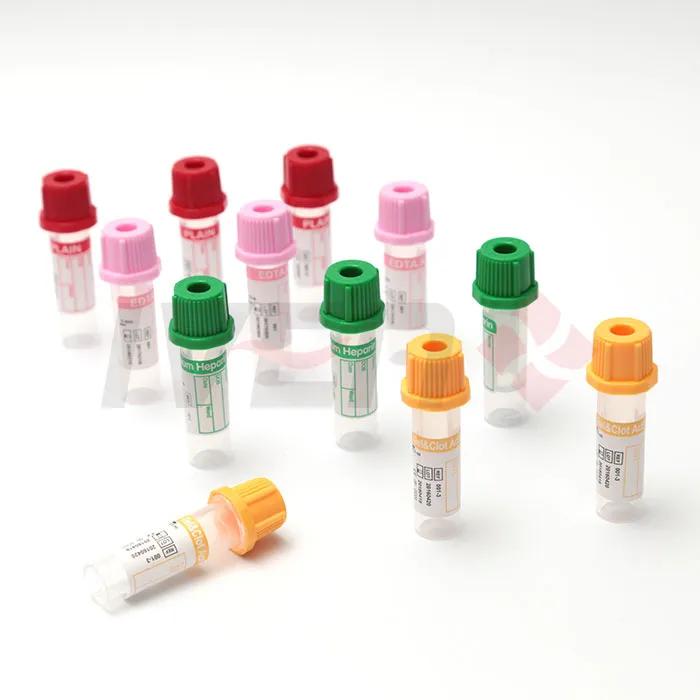
How to Start Blood Tube Manufacturing in the United States
Starting a blood collection tube manufacturing business in the United States means building a regulated medical device production system capable of supplying hospitals, diagnostic laboratories, blood centers, physician office labs, and contract packaging partners with safe, consistent, high-volume vacuum blood collection tubes. Success depends on choosing the right automation level, understanding FDA and quality system requirements, validating production processes, sourcing dependable raw materials, and planning capacity around U.S. healthcare demand. For companies entering this sector, the most practical route is usually a semi-automated or fully automated line with integrated dosing, vacuuming, capping, labeling, inspection, and packaging.
Demand remains strong across major healthcare hubs such as Boston, New York, Chicago, Houston, Atlanta, Los Angeles, and San Diego, where large hospital systems, independent lab networks, and medical distributors require dependable supply. U.S. buyers also care about lead time, lot traceability, automation reliability, and compliance readiness. If your goal is to build a competitive operation, the business case is not just about making tubes; it is about creating a validated, scalable, audit-ready manufacturing platform.
For companies evaluating complete projects, turnkey blood collection tube factory solutions can reduce engineering risk by combining process design, equipment planning, installation, commissioning, and validation support under one project structure. This is especially useful for investors who want faster execution and tighter control of cost, timeline, and regulatory documentation.
Quick Answer: Starting Blood Collection Tube Manufacturing for Reliable High-Volume Output

The quick answer is that blood collection tube manufacturing starts with three pillars: regulatory planning, process design, and equipment selection. In the United States, a new manufacturer must determine its product scope, such as serum tubes, EDTA tubes, citrate tubes, heparin tubes, glucose tubes, or specialty tubes; establish quality and documentation systems; secure a suitable clean and controlled production environment; and deploy a production line that can consistently form, dose, dry, assemble, vacuum, cap, inspect, and package each tube.
A viable startup model usually includes PET or glass tube handling, additive preparation, precision chemical dosing, drying or curing, stopper insertion, vacuum creation, leak testing, labeling, tray or rack loading, and final packing. Depending on capacity, the line may range from a pilot-scale setup for regional distribution to a highly automated industrial line serving national accounts. In most cases, full automation improves consistency, lowers labor dependency, and supports better in-process control.
The United States market rewards manufacturers that can supply stable quality during fluctuations in demand. The disruptions seen in medical consumables over recent years have pushed many buyers to diversify supply sources and favor producers with validated lines, robust documentation, and reliable after-sales support. That makes factory design and vendor choice central to the investment decision.
| Startup Step | Main Objective | Typical U.S. Focus | Risk if Ignored | Recommended Action | Timeline Range |
|---|---|---|---|---|---|
| Product definition | Select tube types and sizes | Hospital and lab demand alignment | Wrong capacity mix | Build SKU forecast by customer segment | 2-4 weeks |
| Regulatory mapping | Define compliance pathway | FDA, cGMP, documentation readiness | Launch delays | Use regulatory consultants early | 4-8 weeks |
| Facility planning | Create production layout | Material and people flow | Cross-contamination, bottlenecks | Develop URS and block layout | 4-10 weeks |
| Equipment selection | Match throughput to market | Automation and validation support | Low yield, unstable quality | Audit vendors and test samples | 6-12 weeks |
| Process validation | Confirm repeatability | IQ/OQ/PQ and lot traceability | Audit findings, recalls | Prepare full validation package | 8-16 weeks |
| Commercial ramp-up | Scale to steady orders | Distribution and service levels | Missed contracts | Ramp in phased capacity blocks | 3-9 months |
The table above shows why new investors should treat this as a systems project rather than a simple machinery purchase. Each stage affects cost, compliance, and speed to market.
What Is a Blood Collection Tube Manufacturing Line and How Does It Work?

A blood collection tube manufacturing line is an integrated production system that produces disposable tubes used for collecting, storing, transporting, and processing blood samples. The line can be configured for vacuum blood collection tubes made from PET, glass, or other approved materials, and it typically supports multiple tube specifications and additives depending on intended clinical use.
The process usually begins with raw tube feeding and orientation. Tubes move through cleaning or static control handling, then pass into additive dosing stations where coagulants, anticoagulants, clot activators, gel, fluoride, or other formulations are applied. After dosing, the product may go through drying or curing to stabilize the additive. Next, stoppers or caps are assembled, vacuum is created to ensure the correct draw volume, and each unit undergoes sealing integrity checks. The line then proceeds to labeling, visual inspection, automated rejection, lot coding, and final secondary packaging.
For U.S. operations, process consistency is critical because customers expect exact fill performance, clear additive identification, strong cap fit, low leakage rates, and reliable centrifugation behavior. This is why many medical device companies prefer integrated automation with servo control, machine vision, recipe management, and data recording rather than disconnected stations.
Production lines are also increasingly linked with MES, ERP, or digital batch record systems. This is valuable for facilities in manufacturing corridors such as New Jersey, Pennsylvania, North Carolina, Texas, and California, where healthcare customers often require traceability and documented quality history from upstream production to outbound shipment.
| Line Module | Function | Quality Impact | Automation Level | Key Checkpoint | Common Upgrade |
|---|---|---|---|---|---|
| Tube feeding system | Sorts and orients tubes | Prevents jams and scratches | Semi to full | Feed stability | Auto unscrambler |
| Additive preparation unit | Mixes chemical reagents | Ensures formula accuracy | Full | Concentration control | Closed mixing tanks |
| Dosing station | Dispenses additive into tube | Critical to assay performance | Full | Dose precision | Servo micro-dosing |
| Drying/curing system | Stabilizes additives | Improves shelf life | Full | Temperature profile | Energy-saving oven |
| Stopper insertion | Places rubber closure | Seal and contamination control | Full | Insertion force | Vision-assisted alignment |
| Vacuum station | Creates specified internal vacuum | Controls draw volume | Full | Vacuum retention | Leak monitoring loop |
| Inspection unit | Rejects defects | Reduces field failures | Full | Cosmetic and functional defects | AI vision module |
| Labeling and packing | Final identification and boxing | Traceability and logistics | Semi to full | Barcode accuracy | Auto case packing |
This workflow explains why buyers should review not only machine speed but also dose repeatability, vacuum stability, reject handling, and batch data capture.
Key Applications and Production Benefits of Blood Collection Tube Manufacturing for Medical Device Companies

Blood collection tubes are used across nearly every part of modern diagnostics. Hospitals rely on them for emergency departments, inpatient care, oncology, surgery, and routine biochemistry. Independent diagnostic laboratories use them for high-throughput sample collection and transport. Blood centers, physician office laboratories, urgent care clinics, veterinary diagnostics, and research institutions also consume large volumes.
For medical device companies, manufacturing these products offers several benefits. First, demand is recurring rather than one-time, which supports repeat orders and longer customer relationships. Second, the product family allows multi-SKU expansion, from plain tubes to gel separator, heparin, EDTA, ESR, coagulation, and glucose management tubes. Third, automated production can generate strong economies of scale once validation and market access are established.
In the United States, there is additional strategic value in domestic or near-market supply. Buyers increasingly want resilience against international shipping delays affecting gateways such as Los Angeles/Long Beach, Savannah, and New York/New Jersey. Regional stock availability can be a decisive advantage when competing for integrated delivery network contracts and lab distribution agreements.
Medical device companies also use blood collection tube production as an entry point into adjacent consumables. Once quality systems, packaging control, and distribution channels are in place, the manufacturer may expand into needles, holders, specimen containers, or diagnostic preparation components.
The demand pattern above illustrates why hospitals and independent laboratories usually anchor business planning. Their order volumes justify investment in higher-speed automated lines, while smaller sectors add SKU diversity and margin opportunities.
Main Types and Configurations of Blood Collection Tube Manufacturing Available Today
Not all manufacturing lines are the same. A startup should choose configuration based on target product mix, annual volume, floor space, available labor, and desired validation depth. The most common distinction is between semi-automatic systems, modular automatic lines, and complete high-speed integrated lines.
Semi-automatic lines are often selected by smaller entrants, contract manufacturers, or companies testing a regional market. They require more operator involvement but lower upfront capital. Modular automatic lines are common for growing companies because they support staged expansion. Complete integrated lines are best suited for high-volume national supply and customers demanding stable, documented throughput.
Another key choice is tube material. PET tubes are popular for lighter weight and lower shipping cost, while glass may still be preferred in some use cases depending on customer requirements. Stopper type, additive compatibility, vacuum control, and labeling format also influence machine specification.
| Configuration Type | Typical Capacity | Best For | Capital Intensity | Labor Need | Scalability |
|---|---|---|---|---|---|
| Manual bench setup | Very low | R&D or trials | Low | High | Very limited |
| Semi-automatic line | Low to medium | Small entry projects | Moderate | Moderate to high | Basic |
| Modular automatic line | Medium | Regional manufacturers | Moderate to high | Moderate | Good |
| Integrated high-speed line | High | National suppliers | High | Low to moderate | Excellent |
| Multi-SKU flexible line | Medium to high | Broad product portfolio | High | Moderate | Excellent |
| Turnkey smart factory line | High | Large strategic investors | High | Low | Excellent |
This comparison is important because many new entrants underestimate the cost of labor, line changeover time, and documentation needs. Buying too small can limit competitiveness; buying too large can strain cash flow before customer contracts are secured.
Blood Collection Tube Manufacturing vs Manual Assembly Lines: Key Differences and Advantages
Manual or heavily operator-dependent assembly may appear attractive at first because of lower initial equipment cost, but it usually introduces more quality variation, higher training burden, and greater compliance risk. In a regulated U.S. environment, repeatability matters more than simple startup affordability.
Automated blood collection tube manufacturing offers better dosing consistency, more stable vacuum levels, improved cap insertion accuracy, and stronger traceability. It also helps reduce particulate contamination and supports digital monitoring. Manual lines, by contrast, may struggle when customers demand larger validated batches or stricter incoming audits.
For companies competing in metropolitan procurement markets such as New York, Philadelphia, Dallas, and Miami, automated production often becomes the deciding factor in winning larger tenders. Hospital systems and major distributors tend to prefer suppliers that can demonstrate documented process control and consistent lot performance.
| Factor | Automated Manufacturing Line | Manual Assembly Line | Main Advantage of Automation | Business Effect | Buyer Perception |
|---|---|---|---|---|---|
| Dose precision | High and repeatable | Variable | Lower product variability | Fewer complaints | Positive |
| Vacuum consistency | Controlled by system | Hard to standardize | Reliable draw volume | Better clinical acceptance | Strong |
| Labor dependency | Lower | High | Reduced staffing risk | Stable output | Positive |
| Traceability | Digital records possible | Often paper-heavy | Audit readiness | Faster investigations | Strong |
| Defect detection | Vision inspection available | Manual inspection limited | Higher quality assurance | Lower rejection at customer site | Positive |
| Scale-up ability | High | Low | Supports growth | Better ROI long term | Strong |
The business advantage is clear: automation is not only about speed, but about proving reliable process capability to U.S. buyers and regulators.
Market Growth and Opportunities for Blood Collection Tube Manufacturing Manufacturers
The U.S. market for blood collection consumables remains supported by aging demographics, expanded chronic disease monitoring, outpatient diagnostics, preventive testing, and growth in decentralized healthcare delivery. Demand is also influenced by rising specimen volume in oncology, cardiovascular monitoring, infectious disease testing, and routine wellness screening.
In commercial terms, opportunities are strongest in three areas. First, replacement of legacy supply chains with more resilient sourcing models. Second, demand for automation-ready high-volume suppliers capable of serving large lab networks. Third, rising interest in sustainable packaging and production efficiency. Manufacturers that can reduce material waste, improve energy use, and optimize transport packaging may gain an edge with procurement teams.
Another opportunity is private-label or contract manufacturing. Distributors and healthcare brands in the United States often prefer to market their own label while relying on specialized manufacturers for production and documentation. This can shorten sales cycles if your operation is already validated and flexible enough to support multiple SKUs.
The growth curve suggests a steady expansion pattern rather than a short-term spike, which supports investment in durable production assets with long service life.
Looking toward 2026 and beyond, several trends will shape the market. Smart manufacturing will become more common, with remote diagnostics, predictive maintenance, and real-time process analytics. Policy pressure on supply resilience may continue to favor domestic or U.S.-supported manufacturing footprints. Sustainability requirements will push reduced energy consumption, recyclable packaging, lower scrap rates, and more efficient clean utility systems. Companies that prepare for these trends now will be better positioned when procurement standards tighten.
This trend line highlights a growing shift toward suppliers that combine automation with sustainability performance, particularly in larger institutional purchasing programs.
How to Choose a Reliable Blood Collection Tube Manufacturing Manufacturer or Supplier
Choosing the right supplier is one of the highest-impact decisions in the project. Buyers in the United States should evaluate engineering depth, line validation support, spare parts strategy, automation reliability, and responsiveness after installation. A machine that runs fast during a factory demo but lacks documentation or service support can become a costly problem later.
Start with a clear user requirement specification. Define tube sizes, additive range, target output, acceptable reject rates, utility conditions, packaging style, and digital integration expectations. Then compare vendors on the basis of sample testing, technical clarity, installed base, and their experience serving regulated markets.
It is also wise to assess whether the supplier can support broader factory development, not just machine delivery. Many successful projects involve layout optimization, utility coordination, commissioning planning, and training. That is why some investors review the background of experienced pharmaceutical and medical device engineering partners before committing to a line vendor.
For U.S.-bound imports, logistics matters too. Ask about crating standards, export documentation, and shipping routes through ports such as Shanghai to Los Angeles, Houston, or Newark, as well as inland support to manufacturing locations in Illinois, Ohio, or Tennessee.
| Evaluation Item | Why It Matters | What to Ask | Good Sign | Warning Sign | Decision Weight |
|---|---|---|---|---|---|
| Regulatory understanding | Supports compliance readiness | Can you support IQ/OQ/PQ documentation? | Structured validation package | Vague answers | Very high |
| Automation quality | Drives consistency | What controls and sensors are standard? | Servo and vision options | Manual workarounds | High |
| Installed base | Shows market proof | How many comparable lines are running? | Multiple references | No similar projects | High |
| Spare parts support | Reduces downtime | What is the parts lead time? | Stocked critical components | Long replacement cycle | High |
| Training capability | Improves startup success | Do you train operators and maintenance staff? | Structured multilingual training | Minimal handover | Medium |
| Customization ability | Fits your SKUs | Can the line support different tube types? | Recipe-based flexibility | Rigid design | Medium |
| Service response | Protects output | How are remote and onsite issues handled? | Fast support process | Unclear escalation path | High |
| Total project scope | Controls integration risk | Can you support utilities and layout? | End-to-end capability | Equipment-only mindset | High |
A practical approach is to score vendors across these categories, then combine the score with technical sample review and life-cycle cost analysis.
The comparison above shows the areas where a stronger supplier can materially reduce project risk. For regulated manufacturing, documentation and service quality often matter as much as pure machine speed.
Investment Cost, Budget Planning and ROI Analysis for Blood Collection Tube Manufacturing
Investment cost depends on production capacity, product mix, level of automation, cleanroom requirements, utilities, testing capability, packaging format, and the depth of validation needed. In the United States, budget planning must also account for facility fit-out, HVAC, compressed air, purified water where needed, warehousing, quality control instruments, software integration, and working capital for raw materials and market launch.
A smaller project may begin with a semi-automatic or modular line, but most serious commercial entrants planning national or multi-state sales consider a fully automated system more economical over time. Labor savings, reduced scrap, better consistency, and stronger customer acceptance often offset the higher capital expense.
| Budget Category | Low-Scale Project | Mid-Scale Project | High-Scale Project | Cost Driver | ROI Influence |
|---|---|---|---|---|---|
| Core production line | Moderate | High | Very high | Automation level | Very high |
| Facility and cleanrooms | Moderate | High | High | Layout and HVAC | High |
| Utility systems | Low to moderate | Moderate | High | Air, power, process support | Medium |
| QC laboratory setup | Moderate | Moderate | High | Testing scope | High |
| Validation and documentation | Moderate | High | High | Compliance depth | Very high |
| Training and commissioning | Low | Moderate | Moderate | Project complexity | Medium |
| Spare parts and maintenance | Low | Moderate | Moderate | Line sophistication | Medium |
| Working capital | Moderate | High | High | Inventory and sales cycle | High |
To estimate ROI, model annual throughput, reject rate, average selling price per tube, labor savings versus manual methods, maintenance cost, and expected utilization ramp. Companies serving dense healthcare regions like the Northeast corridor or Texas medical markets may reach efficient utilization faster because logistics are favorable and buyer concentration is high.
Many investors also underestimate the value of comprehensive project execution. A vendor able to support engineering design, equipment customization, installation, commissioning, and qualification can reduce hidden startup losses. If you are still comparing project structures or want a broader view of available systems, reviewing medical and pharmaceutical equipment options can help frame the budget more accurately.
Key Considerations and Potential Risks When Investing in Blood Collection Tube Manufacturing
The main risks in blood collection tube manufacturing are not limited to machine purchase price. They include regulatory missteps, unstable raw material quality, poor additive performance, weak vacuum retention, unbalanced layout design, inadequate utilities, long downtime due to spare parts shortages, and overestimating market demand in the first year.
Another common issue is designing a line that can make the tube but cannot support efficient packaging, coding, warehousing, and distribution. In the United States, freight cost and service level expectations are significant. Manufacturers shipping from inland plants to East Coast or West Coast customers need efficient palletization, carton design, and inventory planning.
Raw material qualification is especially important. Tube resin or glass quality, stopper characteristics, additive chemistry, and label adhesive performance must all be verified under real production conditions. Shelf-life studies and transport simulation can prevent costly field problems later.
For 2026 and future years, sustainability risk is also rising. Buyers may ask about material efficiency, waste reduction, energy use, and packaging recyclability. Companies that ignore this trend may find themselves less attractive in institutional procurement reviews.
There is also strategic risk in selecting a supplier with insufficient service depth. A project may look cost-effective on paper, but if troubleshooting is slow or validation support is weak, the true cost of delay can be much higher. Experienced engineering companies can help control these risks by integrating technology, manufacturing, and service into one project path.
On the technology side, some established suppliers bring decades of know-how in pharmaceutical and medical device automation, with specialized capability in filling, packaging, utility systems, intelligent logistics, and vacuum blood collection tube lines. On the manufacturing side, having multiple dedicated plants and long-term stainless equipment durability matters because it supports stable fabrication quality and parts availability. On the service side, lifecycle support such as feasibility review, layout planning, installation, commissioning, IQ/OQ/PQ assistance, staff training, and production optimization can make the difference between a delayed startup and a commercially successful factory.
For investors looking for a partner rather than a standalone machine seller, direct project consultation is often the fastest way to validate scope, capacity, and compliance expectations before capital is committed.
| Risk Area | Typical Cause | Operational Impact | Financial Impact | Mitigation Method | Priority |
|---|---|---|---|---|---|
| Regulatory delays | Weak documentation planning | Late launch | High | Start compliance mapping early | Very high |
| Quality instability | Poor process control | Higher rejects | High | Use automated monitoring | Very high |
| Vacuum failure | Seal inconsistency | Field complaints | High | Leak testing and stopper validation | High |
| Supply chain disruption | Single-source materials | Production stoppage | High | Dual-source strategy | High |
| Underutilized capacity | Demand overestimation | Idle assets | High | Phase expansion | Medium |
| Service downtime | Slow vendor support | Missed deliveries | Medium to high | Service SLA and spare parts stock | High |
The best investment decisions balance output goals with practical risk control. A properly designed line should make it easier to pass audits, train staff, scale production, and serve customers consistently.
FAQ
What licenses or approvals are needed to start blood collection tube manufacturing in the United States?
You need a clear regulatory strategy based on your product classification and intended use, plus a compliant quality management system, documented manufacturing controls, validation records, and suitable facility standards. Specific obligations should be reviewed with regulatory specialists.
How much space is needed for a blood collection tube factory?
It depends on capacity and automation. A compact project may require only a modest production and packaging footprint, while a fully integrated line with warehouse, QC, utilities, and future expansion needs significantly more space. Layout efficiency is critical.
Is a semi-automatic line enough for the U.S. market?
It can be enough for pilot production, niche SKUs, or regional demand, but most companies targeting larger hospital systems or lab networks eventually need more automation to support consistency, throughput, and documentation.
What are the most profitable tube types?
Profitability depends on local competition, raw material cost, reimbursement environment, and customer contracts. Common high-volume products include EDTA, serum, heparin, citrate, and glucose tubes, but specialty lines may offer better margins if demand is stable.
How long does a project usually take?
A realistic timeline from planning to validated startup can range from several months to more than a year depending on facility readiness, equipment complexity, customization, and qualification requirements.
What should I look for in a manufacturing partner?
Look for proven automation, validation support, engineering depth, durable fabrication quality, multi-SKU flexibility, strong after-sales response, and a record of serving regulated medical or pharmaceutical projects internationally.
Can this business expand into other medical consumables?
Yes. Many manufacturers extend into related diagnostic consumables after building a strong quality and packaging platform. This can improve asset utilization and broaden market reach.
Why do some investors prefer integrated project suppliers?
Because a single integrated supplier can coordinate equipment, utility interfaces, process layout, documentation, commissioning, and training. This usually reduces execution gaps and accelerates ramp-up.
In summary, learning how to start blood collection tube manufacturing in the United States means aligning market demand, regulatory planning, automation strategy, and supplier selection from the beginning. Companies that invest in validated production, flexible line design, and long-term service support are better positioned to compete in a demanding but attractive medical consumables market.

About the Author
We are IVEN Pharmatech Engineering, a team dedicated to delivering turnkey pharmaceutical and medical solutions worldwide. With decades of experience, we specialize in advanced machinery, integrated factory design, and full lifecycle support to help our clients achieve efficient, compliant, and high-quality production.
Share

Related Insights
-
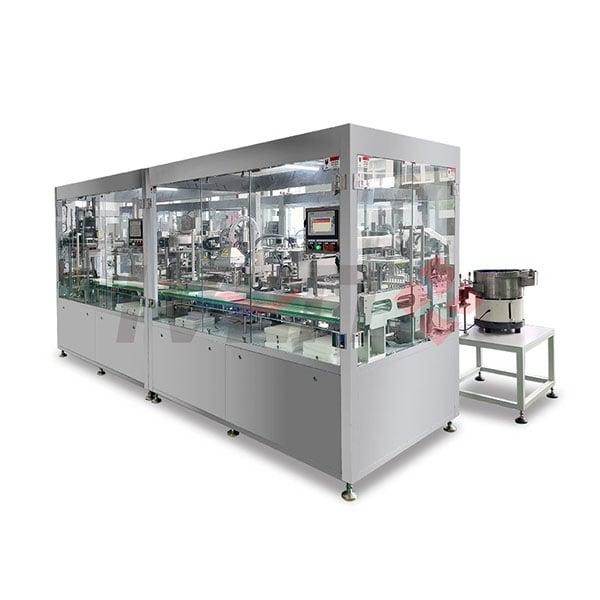
Point-of-Care Micro Blood Tube Systems in United States
For medical device companies serving the United States, a micro blood collection tube point-of-care system is a specialized automated production solution used to manufacture small-volume capillary blood tubes at high speed with stable quality, accurate additive dosing, and strong process traceability. These systems help suppliers meet the needs of hospitals, physician office labs, urgent care centers, retail clinics, and diagnostic networks that rely on fast turnaround for point-of-care testing. Compared with manual or semi-manual assembly, modern automation improves consistency, reduces contamination risk, supports regulatory documentation, and lowers unit cost when production volume rises.
In the U.S. market, demand is strongest where decentralized diagnostics continue to expand, including outpatient care in New York, Los Angeles, Houston, Chicago, Atlanta, Miami, and Phoenix. Procurement teams also consider logistics efficiency through ports such as Long Beach, Los Angeles, Houston, Savannah, and Newark, because imported machinery, spare parts, and validation support must move reliably. Companies evaluating new production capacity often compare automation depth, compatibility with tube formats, changeover time, clean manufacturing design, and long-term service capability before making an investment decision.
A micro blood collection tube point-of-care line enables manufacturers to produce large volumes of high-quality capillary blood collection tubes with controlled dimensions, dependable closures, precise reagent filling, labeling accuracy, and inspection integrity. For U.S.-focused medical device suppliers, this matters because the point-of-care diagnostics segment demands speed, repeatability, and regulatory readiness.
These production lines are commonly used to handle steps such as tube feeding, tube orientation, printing, additive dosing, drying or stabilization where required, cap insertion, vacuum or pressure-related process control for selected designs, tray loading, visual inspection, leak testing, and final packing. When designed correctly, they support both standard production and flexible batch manufacturing for different tube colors, additives, or cap sizes.
For purchasing managers, the core value is simple: automation converts a delicate consumable into a scalable product category. Instead of depending on labor-intensive assembly with inconsistent output, the producer gains a more predictable manufacturing process. This supports contracts with hospital systems, regional laboratories, diagnostic distributors, and OEM partners throughout the United States.
Decision AreaWhat Buyers NeedWhy It Matters in the United StatesImpact on ProductionOutput capacityStable hourly and daily throughputNeeded for hospital and lab contractsSupports volume planning and lower unit costQuality controlAutomated inspection and traceabilityHelps with FDA-oriented compliance expectationsReduces rejects and complaintsFormat flexibilityMultiple tube sizes and cap stylesU.S. customers order varied SKUsImproves line utilizationAdditive precisionConsistent micro-volume dosingCritical for test accuracyImproves downstream diagnostic performanceService supportRemote and on-site technical assistanceMinimizes downtime across time zonesProtects production continuityValidation documentsIQ, OQ, PQ support and recordsImportant for regulated supply chainsSpeeds project approvalThe table above shows that the best equipment is not judged by speed alone. In the United States, a point-of-care blood tube project is usually approved when the machine platform aligns with quality systems, documentation expectations, and customer-specific packaging needs.
A micro blood collection tube point-of-care system is manufacturing equipment built for small blood collection tubes used in capillary sampling, especially in settings where rapid diagnostics are performed near the patient. These tubes are often used in neonatal testing, fingerstick collection, small-volume chemistry analysis, rapid infectious disease workflows, and decentralized care environments.
The production process usually starts with bulk tube feeding. Empty plastic or glass micro tubes are loaded into a hopper or unscrambler and then transferred through orientation rails. The system may clean or ionize the tubes to reduce particulate contamination. Next, a dosing module dispenses anticoagulants, clot activators, separating agents, or specialty reagents in precisely controlled amounts. Depending on product design, the line may include drying, curing, or stabilization stations before cap insertion.
After assembly, the line performs critical checks: cap fit, fill accuracy, dimensional inspection, print verification, barcode or lot coding, and packaging inspection. Advanced versions also integrate machine vision and reject stations to remove nonconforming products automatically. Data from each production run can be recorded for quality review and audit support.
From a technology perspective, some global suppliers now deliver integrated engineering rather than standalone machinery. One example is IVEN Pharmatech Engineering, a Shanghai-based engineering company with long experience in pharmaceutical and medical device equipment. For U.S. buyers, the relevant advantage is not just the hardware itself but the ability to combine automation, process design, compliance understanding, and customization for medical consumables lines.
Its technological capabilities are especially relevant in micro blood collection tube point-of-care projects: precision dosing modules, automation controls, intelligent conveying, equipment customization, and process layouts aligned with GMP-style manufacturing expectations. Buyers that need more than a basic machine often look for this engineering depth because tube quality depends on the interaction between dosing, motion control, capping, inspection, and environmental management.
Production StepMain Equipment FunctionCommon Control PointPotential Risk if UncontrolledTube feedingSeparates and orients empty tubesPosition accuracyJams and throughput lossCleaning or ionizingReduces particulate presenceAir quality and static controlContaminationAdditive dosingApplies reagent or anticoagulantMicro-volume precisionIncorrect test resultsDrying or curingStabilizes formulation when neededTime and temperatureAdditive instabilityCap insertionFits closure securelyInsertion force and seal integrityLeakage or product failureInspection and codingVerifies product and lot informationVision system accuracyMix-ups and recall exposureThis process view makes clear why micro blood collection tube production is not a simple packaging activity. It is a controlled manufacturing operation where small errors can affect diagnostic reliability, customer complaints, and brand reputation.
Micro blood collection tube point-of-care products serve a growing range of clinical and commercial applications in the United States. Pediatric care and neonatal screening remain major drivers because capillary sampling reduces blood draw volume. At the same time, urgent care centers, pharmacy-based clinics, mobile health programs, and decentralized testing programs increasingly rely on fast specimen collection formats that work well outside large central hospitals.
Medical device companies benefit in several ways when they invest in dedicated automation:
Applications include hematology, chemistry, glucose testing support workflows, pediatric sample collection, physician office labs, home-health-linked sample programs, and emergency care diagnostics. In major healthcare hubs such as Boston, Cleveland, Minneapolis, and San Diego, diagnostic innovation continues to increase demand for well-designed consumables that support accurate low-volume sampling.
A production benefit often overlooked is packaging flexibility. U.S. customers may require unit-level barcoding, hospital-specific labels, language variations, carton serialization support, and shipper formats that fit regional distribution networks. Automated systems can integrate these steps more efficiently than manual production cells.
var ctxBarDemand = document.getElementById(‘barDemandChart’).getContext(‘2d’);var barDemandChart = new Chart(ctxBarDemand, { type: ‘bar’, data: { labels: [‘Hospitals’, ‘Reference Labs’, ‘Urgent Care’, ‘Retail Clinics’, ‘Pediatrics’, ‘Home Diagnostics Support’], datasets: [{ label: ‘Estimated U.S. demand index for micro blood tube usage’, data: [88, 76, 69, 63, 82, 54], backgroundColor: [‘#4e79a7′,’#59a14f’,’#f28e2b’,’#e15759′,’#76b7b2′,’#edc948′] }] }, options: { responsive: true, maintainAspectRatio: false, scales: { y: { beginAtZero: true, max: 100 } } }});The bar chart illustrates where demand concentration is strongest. Hospitals and pediatric uses remain leading segments, but outpatient and decentralized settings represent meaningful growth opportunities.
Application SegmentTypical Use CasePreferred Tube FeaturesProduction Advantage of AutomationNeonatal careLow-volume specimen collectionSmall size, gentle closure, accurate additiveHigher dosing consistencyPediatricsFingerstick or heelstick testsColor-coded caps and clear labelsBetter SKU controlUrgent careFast routine testingReliable handling and quick identificationImproved throughputRetail clinicsDecentralized specimen collectionCompact packaging and traceabilityLower packaging error ratePhysician office labsSmall-batch diagnosticsEasy-use design and stable reagent applicationStable product qualityPrivate label/OEMBrand-specific supply contractsCustom printing and packagingFaster changeoversThe key takeaway from the table is that different markets want different tube characteristics, but the manufacturing answer is often the same: precise, traceable, flexible automation.
Not all micro blood collection tube point-of-care lines are built the same. The best configuration depends on product type, production scale, and quality targets. In the United States, buyers typically compare systems by material compatibility, additive process, capping method, inspection depth, and integration level.
Common configurations include standalone semi-automatic units for emerging producers, fully automatic high-speed lines for established manufacturers, modular lines with future expansion paths, and turnkey workshops that include utilities, cleanroom coordination, material flow, and packaging integration. Some producers prefer to start with a base line and add vision inspection, robotic packing, or warehouse interface later.
Tube materials matter as well. Plastic micro tubes often suit high-volume, lightweight distribution models. Glass can still be relevant for niche technical requirements. Cap style, tube length, volume range, additive type, and downstream packaging all influence final machine selection.
Companies that want broader project integration may review equipment catalog options from suppliers able to support not only the tube line itself but also utilities, water systems where applicable, intelligent conveying, and secondary packaging. That broader view is useful when a U.S. factory is scaling from pilot output to commercial production.
Configuration TypeBest ForTypical FeaturesMain AdvantageSemi-automatic bench or compact lineR&D, pilot batches, small entry marketManual loading with automated dosing/cappingLower initial investmentStandard automatic lineRegional medical consumables suppliersTube feeding, dosing, capping, codingBalanced cost and outputHigh-speed integrated lineLarge U.S. contract manufacturingFull automation with vision inspectionLowest unit cost at scaleModular expandable lineCompanies expecting SKU growthAdd-on stations and format change kitsFlexible future upgradesTurnkey workshop solutionNew factory constructionLine plus utilities and layout engineeringReduced project coordination riskOEM/private label focused lineBrand manufacturing partnersFast changeover and packaging customizationSupports multiple customer profilesThe table shows that line selection should follow business model, not just machine price. A startup contract manufacturer in New Jersey may choose a modular platform, while an established supplier in Texas or California may prioritize high-speed automation and packaging integration from day one.
Many manufacturers first enter the market with manual or semi-manual processes. While that approach can work for validation lots or very small volume orders, it becomes difficult to sustain when customer audits increase and production expands. Manual lines typically struggle with uniform additive application, consistent capping force, lot traceability, and labor efficiency.
Automated systems provide a measurable advantage in output, quality repeatability, and data collection. In labor-constrained U.S. markets where wages, training, and turnover affect operating cost, automation can also protect margins over time. Another benefit is easier standardization across shifts, which matters when companies serve hospital networks with strict quality agreements.
Comparison PointAutomated Point-of-Care LineManual or Semi-Manual LineCommercial EffectThroughputHigh and stableLower and operator-dependentAutomation supports larger contractsDosing precisionProgrammable and repeatableVariable by operatorBetter test performance consistencyInspectionVision-enabled and documentedMainly visual and manualLower defect escape rateLabor relianceReduced direct handlingHigh staffing needLower long-term operating riskChangeover controlRecipe-based setup possibleMore manual adjustmentsImproved SKU managementTraceabilityDigital records and batch dataPaper-heavy and fragmentedStronger audit readinessThe comparison confirms why manual production often becomes a bottleneck. For U.S. manufacturers supplying clinical customers in Philadelphia, Seattle, Denver, or Dallas, consistency and traceability are increasingly expected rather than optional.
var ctxComparison = document.getElementById(‘comparisonChart’).getContext(‘2d’);var comparisonChart = new Chart(ctxComparison, { type: ‘bar’, data: { labels: [‘Throughput’, ‘Quality Consistency’, ‘Traceability’, ‘Labor Efficiency’, ‘Changeover Control’, ‘Scalability’], datasets: [ { label: ‘Automated line’, data: [92, 95, 94, 88, 84, 93], backgroundColor: ‘#5b8ff9’ }, { label: ‘Manual/semi-manual line’, data: [48, 57, 41, 39, 52, 44], backgroundColor: ‘#f6bd16’ } ] }, options: { responsive: true, maintainAspectRatio: false, scales: { y: { beginAtZero: true, max: 100 } } }});This chart highlights the most important operational differences. The gap is widest in traceability and quality consistency, two factors that heavily influence acceptance by sophisticated buyers.
The United States remains one of the most attractive markets for micro blood collection tube point-of-care products because healthcare delivery is shifting steadily toward decentralized testing. Population aging, chronic disease monitoring, outpatient expansion, telehealth-linked care models, and pharmacy-based diagnostics all reinforce demand. The rise of fast-response testing in community settings is especially important because it increases the need for convenient low-volume collection products.
From 2024 through 2026, the market outlook remains favorable. Hospital consolidation may create larger purchasing groups, but it also creates demand for standardized consumables. Independent diagnostic laboratories are upgrading automation, while regional care providers need packaging and labeling that support distributed specimen handling.
Manufacturing capability is a major differentiator. Buyers often prefer suppliers that can demonstrate repeatable large-scale output, not just prototype success. In this area, the production background of Shanghai IVEN Pharmatech Engineering is relevant. The company operates specialized manufacturing plants in Shanghai and has supplied many production lines globally, including blood collection tube equipment. For U.S. manufacturers, this indicates experience in scalable equipment fabrication rather than one-off workshop assembly.
Its manufacturing capabilities are important when evaluating supplier depth: multi-plant production resources, long experience in pharmaceutical and medical device machinery, customized engineering, and a track record of integrated lines. For large projects, this reduces the risk that a supplier can design a machine but cannot consistently build, test, and support it.
var ctxLineGrowth = document.getElementById(‘lineGrowthChart’).getContext(‘2d’);var lineGrowthChart = new Chart(ctxLineGrowth, { type: ‘line’, data: { labels: [‘2022’, ‘2023’, ‘2024’, ‘2025’, ‘2026’, ‘2027’], datasets: [{ label: ‘Estimated U.S. market growth index for point-of-care micro blood tubes’, data: [100, 108, 117, 127, 138, 149], borderColor: ‘#00a6a6’, backgroundColor: ‘rgba(0,166,166,0.15)’, fill: false, tension: 0.25 }] }, options: { responsive: true, maintainAspectRatio: false, scales: { y: { beginAtZero: false } } }});The line chart illustrates a realistic growth trajectory driven by outpatient testing expansion, pediatric demand, and more distributed care settings.
var ctxAreaTrend = document.getElementById(‘areaTrendChart’).getContext(‘2d’);var areaTrendChart = new Chart(ctxAreaTrend, { type: ‘line’, data: { labels: [‘2022’, ‘2023’, ‘2024’, ‘2025’, ‘2026’, ‘2027’], datasets: [{ label: ‘Share of decentralized diagnostics in relevant collection workflows’, data: [34, 37, 41, 46, 51, 56], borderColor: ‘#ff7f50’, backgroundColor: ‘rgba(255,127,80,0.25)’, fill: true, tension: 0.25 }] }, options: { responsive: true, maintainAspectRatio: false, scales: { y: { beginAtZero: true, max: 60 } } }});The area chart shows the strategic shift from central-only testing models toward more decentralized diagnostics, a trend expected to continue into 2026 and beyond.
Future opportunities are also shaped by sustainability and policy. U.S. buyers are asking more questions about material efficiency, packaging waste reduction, energy consumption, and documentation readiness. By 2026, suppliers that combine automation with lower scrap rates, improved material utilization, digital batch records, and better remote service support will be in a stronger position.
Selecting a micro blood collection tube point-of-care equipment supplier requires more than comparing quotations. U.S. buyers should assess five areas: engineering capability, compliance understanding, manufacturing depth, service responsiveness, and real customization experience.
Start by reviewing whether the supplier understands the intended product, not just the machine category. Ask for details on additive dosing range, cap style compatibility, tube dimensions, line speed, reject handling, vision inspection logic, batch recording, and packaging integration. Next, review the supplier’s experience with regulated industries such as pharmaceuticals, medical devices, or diagnostic consumables, because documentation discipline matters.
It is also wise to check whether the supplier offers full project support. Some companies deliver only the machine skid. Others support layout, utilities, validation, operator training, spare parts planning, and startup optimization. For U.S. manufacturers opening or expanding a facility near Chicago, Raleigh, Salt Lake City, or the New Jersey life sciences corridor, this broader service package often reduces implementation risk.
Buyers that require turnkey support can review turnkey engineering solutions when comparing integrated project partners. This matters if the project includes not only the tube line but also workshop planning, logistics flow, packaging rooms, or future expansion.
Service capability is often the deciding factor after technology and price are reviewed. Companies like IVEN are typically evaluated on lifecycle support: feasibility consulting, engineering design, installation, commissioning, validation assistance, staff training, documentation support, after-sales service, and line optimization. For the United States market, time-zone coordination, remote diagnostics, parts availability, and escalation speed should all be discussed before signing a contract.
Supplier Evaluation FactorWhat to AskGood SignWarning SignProduct understandingCan the supplier explain your tube process in detail?Specific answers with examplesGeneric sales language onlyCustomization abilityCan they adapt for your dimensions and additives?Engineering drawings and test plansRigid standard machine onlyCompliance supportDo they provide documentation and validation help?Structured document packageMinimal paperworkFactory capabilityIs manufacturing in-house and scalable?Demonstrated build and FAT resourcesHeavy outsourcing with little controlService responseHow quickly do they support breakdowns?Remote and on-site plan definedNo clear SLA or spare strategyReference strengthWhat similar projects have they completed?Relevant industry installationsNo comparable track recordThis selection framework helps buyers move beyond brochure claims and focus on operational reality.
Investment cost varies widely depending on speed, automation level, inspection depth, and packaging scope. A compact semi-automatic line may suit early-stage producers, while a full high-speed line with vision inspection, robotic handling, and integrated coding requires a larger capital budget. U.S. companies should also account for shipping, customs, installation, utility modifications, tooling, validation, staff training, spare parts, and startup scrap.
Budgeting should be done on a total cost of ownership basis. A lower initial equipment price can become more expensive if the line has poor yield, frequent stoppages, limited service support, or weak documentation. Conversely, a more robust line may produce a stronger return through higher uptime and lower labor cost.
Budget ItemTypical Share of Project CostWhy It Is ImportantCost Control AdviceCore production equipment40% to 55%Main capital componentMatch speed to actual demandInspection and coding modules8% to 15%Supports quality and traceabilityDo not under-specify vision needsTooling and change parts5% to 10%Needed for multiple formatsPlan future SKUs in advanceInstallation and commissioning6% to 12%Critical for startup successDefine responsibilities clearlyValidation and documentation4% to 8%Helps approval and audit readinessInclude from the first quote stageSpare parts and training3% to 7%Protects uptime after launchBuild an initial service packageROI is commonly driven by six financial levers: direct labor reduction, better yield, higher speed, fewer quality complaints, stronger contract win rates, and improved ability to offer premium customized products. In many cases, U.S. manufacturers find that the payback period improves significantly once the line runs multiple shifts or supports several branded SKUs.
Example ROI logic for a mid-sized producer:
If you are planning a project and want to compare equipment, layout, and validation scope, it is practical to contact the engineering team early. This helps align budget assumptions with actual product requirements before capital approval.
Even a strong business case can fail if implementation risks are underestimated. The first risk is buying a line that is too generic for your product. Micro blood collection tube point-of-care manufacturing depends on accurate handling of tiny dimensions and additive amounts. A machine designed for a different consumable may not deliver the required performance.
The second risk is inadequate validation planning. In the United States, customers increasingly expect documented installation, operation, and performance qualification logic, especially when the product enters regulated healthcare channels. If documentation is weak, commercial launch may be delayed even after the machine is physically installed.
The third risk is underestimating packaging and labeling complexity. U.S. distributors and healthcare systems often require specific barcodes, carton content structures, lot coding methods, and shipping formats. A production line that ignores these downstream needs can create inefficiencies outside the assembly area.
The fourth risk concerns service continuity. Imported capital equipment should be supported with remote diagnostics, clear spare lists, and a response plan. Ports and inland logistics matter here. Equipment entering through Los Angeles, Long Beach, Houston, Savannah, or Newark should be planned with realistic transit and customs timelines, especially for critical spare parts.
The fifth risk is future misalignment. By 2026, buyers are likely to face tighter expectations around digital data, sustainability, and supply resilience. A line without data connectivity, recipe control, or material efficiency improvements may become less competitive faster than expected.
Practical mitigation steps include FAT with real materials, clear acceptance criteria, documented dosing studies, packaging line trials, a spare parts roadmap, and operator training before commercial release. Projects that include engineering, manufacturing, and lifecycle service under one experienced partner often manage these risks more effectively.
What products are made on a micro blood collection tube point-of-care line?These lines produce small-volume blood collection tubes used for capillary sampling, pediatric testing, decentralized diagnostics, and other low-volume specimen applications.
Are these systems relevant only for large manufacturers?No. Compact and modular lines are available for smaller producers, pilot-stage manufacturers, and private-label businesses entering the U.S. market.
What level of automation is most common in the United States?Mid-to-high automation is increasingly preferred because it improves traceability, lowers labor dependence, and supports consistent quality for hospital and laboratory customers.
How important is additive dosing accuracy?It is one of the most critical factors. Small errors in micro-volume dosing can affect specimen integrity and downstream diagnostic performance.
Should buyers choose a standalone machine or a turnkey project?That depends on the project scope. If you are installing a single line in an existing workshop, standalone equipment may be sufficient. If you are building a new facility or expanding multiple utilities and packaging areas, a turnkey approach may reduce coordination risk.
How long does implementation usually take?Lead time depends on customization, FAT scope, shipping route, site readiness, and validation requirements. U.S. buyers should include time for installation, commissioning, operator training, and quality approval after delivery.
What documents should be requested from the supplier?Typical requests include layout drawings, utility requirements, material specifications, user manuals, spare parts lists, FAT/SAT protocols, and validation support documents where applicable.
How can a buyer compare suppliers fairly?Use the same product specification, output target, and acceptance criteria for all quotations. Compare total cost of ownership, not only machine price.
Why does service support matter so much?Because even strong equipment needs startup tuning, preventive maintenance, and quick troubleshooting. Good service reduces downtime and protects ROI.
Where can manufacturers learn more about an experienced supplier?U.S. buyers looking for a partner with pharmaceutical and medical device engineering experience can review company details through the corporate overview and assess whether its technical, manufacturing, and service strengths fit their project goals.
In summary, micro blood collection tube point-of-care automation is becoming increasingly important for medical device companies serving the United States. The strongest investment cases are built around quality consistency, flexible product formats, lifecycle support, and future-ready manufacturing. Suppliers with deep engineering knowledge, proven manufacturing resources, and full-project service capabilities are generally better positioned to support successful commercial outcomes in this growing segment.
-
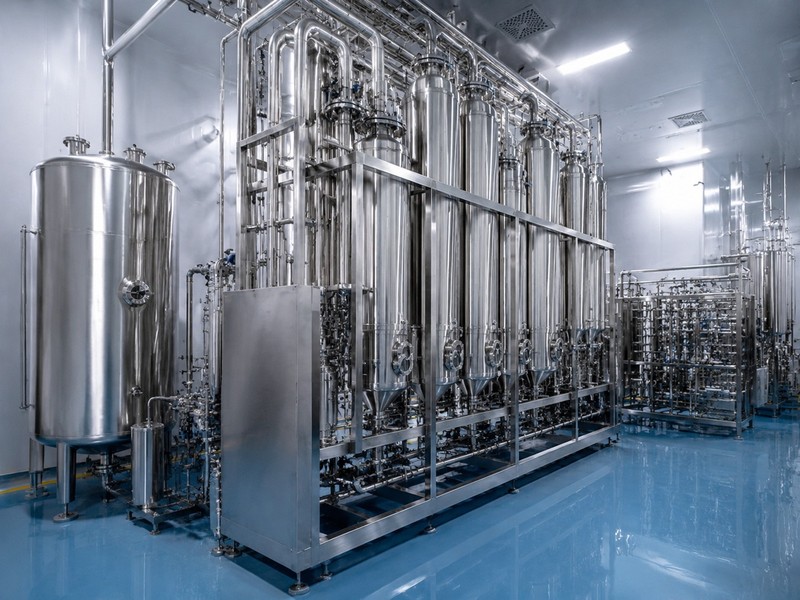
U.S. Injectable Drug Water Systems: GMP Buyer Guide
For pharmaceutical manufacturers in the United States, water system injectable drug production is not just a utility package. It is a validated, compliance-critical infrastructure platform that supports the consistent generation, storage, and distribution of high-purity water used in sterile injectable drugs, vaccines, biologics, and related aseptic processes. In practical terms, this means producing water that meets strict pharmacopeia and GMP expectations for conductivity, TOC, endotoxin control, microbial control, and ongoing system reliability. Whether a facility is located in Boston, Raleigh-Durham, New Jersey, Houston, or San Diego, the water system must perform every day with documented consistency because poor water quality can compromise batch release, trigger deviations, and increase regulatory exposure.
In the U.S. market, demand is rising as manufacturers expand fill-finish capacity, biologics plants, CDMO operations, and vaccine infrastructure. Facilities near major logistics hubs such as the Port of Los Angeles, Port of New York and New Jersey, Chicago, and Atlanta also benefit from easier equipment importation, service coordination, and spare-parts distribution. For companies planning greenfield or brownfield projects, the right pharmaceutical water architecture can improve compliance, lower lifecycle cost, and support future expansion.
Water system injectable drug production is essential because injectable medicines require highly controlled water quality throughout manufacturing. In U.S. GMP pharmaceutical facilities, the system normally covers pretreatment, reverse osmosis, electrodeionization or distillation, storage, loop distribution, sanitization, monitoring, and validation. The output may include Purified Water, Water for Injection, and pure steam support depending on the process design. Manufacturers need these systems to meet USP expectations, align with FDA cGMP, reduce contamination risks, maintain audit readiness, and ensure lot-to-lot consistency for sterile products.
A reliable system also helps manufacturers address core business goals: faster commissioning, higher uptime, lower reject rates, efficient expansion planning, and smoother validation. In modern facilities, the water platform is often integrated into SCADA, BMS, and data integrity frameworks so engineers can trend conductivity, temperature, flow, TOC, pressure, ozone, and sanitization records in real time. This turns the water plant from a simple utility room into a strategic quality asset.
Key reasons U.S. injectable manufacturers invest in advanced pharmaceutical water systems Driver Why It Matters Operational Impact USP-grade water quality Injectables require tightly controlled purity attributes Supports product quality and release confidence FDA cGMP compliance Water is a direct or indirect product-contact utility Reduces inspection and warning-letter risk Microbial control Biofilm and endotoxin risks must be minimized Lowers deviation and contamination events Validation readiness IQ/OQ/PQ and routine monitoring require robust design Shortens qualification timelines Scalable production Facilities often increase sterile capacity over time Allows modular expansion without redesign Lifecycle savings Well-designed loops reduce downtime and rework Improves total cost of ownershipThe table above shows that the investment is not only about meeting a specification sheet. It is about building an operational foundation that protects product, people, and regulatory standing over the full life of the facility.
A pharmaceutical water system for injectable drug production is an engineered system that converts incoming feedwater into pharmaceutical-grade water suitable for manufacturing sterile products. The system may include raw water balancing, multimedia filtration, activated carbon, water softening, chemical dosing, reverse osmosis, degassing, electrodeionization, ultrafiltration, multi-effect distillation, vapor compression distillation, storage tanks, sanitary pumps, orbital-welded stainless steel loops, point-of-use stations, and clean instrumentation.
U.S. manufacturers need it because water is used across formulation, equipment rinsing, component washing, clean steam generation support, CIP/SIP applications, and environmental hygiene within GMP operations. For injectable products, even small shifts in microbiological status or endotoxin burden can become major quality events. Traditional industrial treatment systems, common in food or general manufacturing, are rarely enough because they do not provide the sanitary design, documentation discipline, traceability, and validation framework required for pharmaceutical use.
This is especially important in high-value markets such as oncology injectables, biologics, hormone therapies, ophthalmics, vaccines, and hospital generics. Plants in regions with variable municipal water quality, such as coastal Gulf areas, drought-affected western states, or hard-water zones in parts of Texas and the Midwest, must design pretreatment carefully. Feedwater characteristics strongly influence membrane life, scaling risk, sanitization strategy, and operating cost.
When choosing an engineering partner, manufacturers increasingly prefer suppliers that can support the project beyond equipment delivery. Companies with integrated capabilities in pharmaceutical utilities, processing, and turnkey execution are often better positioned to coordinate layout, piping, automation, FAT/SAT, validation documents, and production ramp-up. For example, IVEN Pharmatech Engineering is known in the international market for combining pharmaceutical engineering know-how with practical compliance-oriented delivery for water, filling, and plant-wide systems.
In GMP facilities, pharmaceutical water for injectables supports far more than final formulation. It touches critical steps across the plant. The exact use depends on the product portfolio and facility classification, but common applications include compounding of sterile solutions, preparation of buffer systems, equipment final rinse, stopper and vial washing support, clean utility generation, and process transfer support. Biopharma plants also use high-purity water in media preparation, chromatography support solutions, and upstream or downstream cleaning tasks when defined by process design.
The main benefits are clear. First, the system creates repeatable water quality, which supports stable batch performance. Second, it reduces the risk of microbial excursions and endotoxin-related deviations. Third, it strengthens data integrity through online monitoring and trending. Fourth, it allows documented sanitization and maintenance planning. Fifth, it makes scale-up easier, especially for facilities adding new lines or converting from oral or topical formats into sterile production.
Typical applications of pharmaceutical water in injectable production Application Area Water Grade Commonly Used Benefit to Facility Sterile formulation Water for Injection Supports direct product-contact purity requirements Final equipment rinse Purified Water or WFI Reduces residue and contamination risk Vial and component washing Purified Water with validated final rinse strategy Improves cleanliness before filling Buffer and solution preparation Purified Water or WFI Maintains consistent process chemistry CIP support Purified Water Enables repeatable cleaning performance Biologics support operations Purified Water and WFI Protects sensitive bioprocess stepsThe explanation behind these applications is straightforward: each utility point must match the process need. Over-specifying every use point can increase capital and utility cost, while under-specifying can create compliance risk. Good engineering aligns water grade, loop temperature, recirculation velocity, and sanitization method with the real process map.
For U.S. pharmaceutical campuses in New Jersey, Indiana, North Carolina, Pennsylvania, and California, another benefit is business continuity. A well-designed system with redundancy, preventive maintenance plans, and spare component strategy can reduce shutdown risk in regions where labor, downtime, and missed delivery costs are high.
There is no universal configuration for every injectable facility. The appropriate design depends on required capacity, water grades, local utilities, sustainability goals, and regulatory strategy. The most common technologies in the U.S. market include RO-based systems, EDI polishing, thermal distillation, and hybrid combinations.
RO systems remove dissolved solids, organics, and particulates using membrane separation. They are widely used for Purified Water production and as a pretreatment or first-stage barrier before further purification. EDI is often added after RO to produce stable high-resistivity water without bulk chemical regeneration. Distillation, including multi-effect distillation and vapor compression, is a traditional and highly robust route for Water for Injection production. Hybrid systems combine membrane and thermal technologies to balance quality, energy use, and operational flexibility.
Comparison of major pharmaceutical water system types System Type Main Strength Best Use Case RO Efficient dissolved solids reduction Purified Water generation and pretreatment RO + EDI Stable high-purity output with low chemical use Modern Purified Water systems with automation focus Multi-effect distillation Strong endotoxin and microbial control Large-scale WFI generation for injectables Vapor compression distillation Compact and efficient thermal design Facilities with moderate WFI demand Hybrid membrane + distillation Balances pretreatment efficiency and final purity High-performance GMP plants Hybrid with hot loop distribution Enhanced microbial control in storage and loop Sterile plants prioritizing sanitization robustnessThe explanation for this table is that each technology solves a different part of the risk profile. RO and EDI improve efficiency and reduce chemical handling in many designs. Distillation remains highly trusted for WFI because of its established performance in endotoxin reduction and sanitary reliability. Hybrid approaches are often preferred by manufacturers that want both compliance strength and lower lifecycle cost.
From a technological capability standpoint, IVEN Pharmatech Engineering has experience in pharmaceutical water treatment solutions that include RO purified water units, multi-effect water distillers, purified steam generators, and solution preparation and distribution systems. For U.S. buyers, this matters because system integration across utilities and process equipment can simplify project coordination and reduce handoff gaps between design teams.
Traditional water treatment methods used in hotels, food plants, or general industrial factories are designed primarily for scale reduction, basic filtration, or broad potable improvement. Pharmaceutical water systems for injectable production go much further. They require sanitary piping design, drainability, slope control, dead-leg management, weld documentation, calibrated instrumentation, alarm philosophy, data recording, validation protocols, microbial control strategy, and defined maintenance under GMP change control.
If your product is sterile and injectable, the choice is simple: use a pharmaceutical-grade system, not a general industrial package. The real decision is not whether to use pharma-grade infrastructure, but which pharma-grade architecture fits your process and site conditions best.
Pharmaceutical systems versus traditional industrial treatment Criteria Pharmaceutical Water System Traditional Water Treatment Regulatory fit Designed for GMP and validation Usually not validation-ready Sanitary design 316L SS, orbital welds, hygienic valves Often PVC or general industrial materials Microbial control Loop recirculation and sanitization strategy Limited control against biofilm Monitoring Online conductivity, TOC, temperature, alarms Basic gauges or limited analytics Documentation IQ/OQ/PQ, FAT/SAT, manuals, P&ID traceability Basic manuals only Business risk Lower compliance and batch risk Higher deviation and retrofit riskThe explanation here is practical: although traditional systems may appear less expensive upfront, they often become more costly after retrofit, revalidation, downtime, and potential quality failures. For U.S. facilities operating under FDA oversight, cutting corners on water infrastructure rarely pays off.
The U.S. market for injectable drug water systems is expanding because sterile manufacturing capacity continues to grow across branded pharma, generics, CDMOs, and biologics. Local demand is strongest in clusters such as Massachusetts, New Jersey, Pennsylvania, North Carolina, Illinois, Texas, and California. These regions combine skilled labor, established life-science ecosystems, and access to airports, ports, and interstate logistics.
Several market forces are shaping purchasing behavior. First, aseptic fill-finish investments remain strong. Second, biologics and cell-related production are increasing demand for reliable high-purity water and clean utilities. Third, energy efficiency and water reuse are becoming procurement priorities. Fourth, digital monitoring and predictive maintenance are moving from optional to expected. Fifth, 2026 planning is already influenced by sustainability reporting, utility resilience, and data-integrity expectations.
var ctx1 = document.getElementById(‘lineChartMarket’).getContext(‘2d’);var chart1 = new Chart(ctx1, { type: ‘line’, data: { labels: [‘2021’, ‘2022’, ‘2023’, ‘2024’, ‘2025’, ‘2026’], datasets: [{ label: ‘U.S. Market Growth Index’, data: [100, 108, 119, 132, 146, 161], borderColor: ‘rgb(54, 162, 235)’, backgroundColor: ‘rgba(54, 162, 235, 0.15)’, fill: false, tension: 0.3 }] }, options: { responsive: true, maintainAspectRatio: false }});The line chart illustrates a realistic upward growth pattern for pharmaceutical water systems tied to injectable manufacturing investment in the United States. While exact market values vary by source and project definition, the trend direction is clear: more facilities are modernizing utilities and building compliance-ready expansion capacity.
var ctx2 = document.getElementById(‘barChartDemand’).getContext(‘2d’);var chart2 = new Chart(ctx2, { type: ‘bar’, data: { labels: [‘Vaccines’, ‘Biologics’, ‘Generic Injectables’, ‘CDMO Fill-Finish’, ‘Ophthalmics’, ‘Hospital IV’], datasets: [{ label: ‘Estimated Demand Score’, data: [88, 95, 82, 91, 70, 84], backgroundColor: [‘#4e79a7′,’#f28e2b’,’#e15759′,’#76b7b2′,’#59a14f’,’#edc948′] }] }, options: { responsive: true, maintainAspectRatio: false }});This bar chart shows where demand pressure is strongest. Biologics and CDMO fill-finish continue to drive advanced utility requirements, while generic injectables and hospital IV products maintain large volume needs.
var ctx3 = document.getElementById(‘areaChartTrend’).getContext(‘2d’);var chart3 = new Chart(ctx3, { type: ‘line’, data: { labels: [‘2021’, ‘2022’, ‘2023’, ‘2024’, ‘2025’, ‘2026’], datasets: [{ label: ‘Shift Toward Hybrid and Digital Systems’, data: [32, 39, 47, 56, 66, 75], borderColor: ‘rgb(75, 192, 192)’, backgroundColor: ‘rgba(75, 192, 192, 0.25)’, fill: true, tension: 0.35 }] }, options: { responsive: true, maintainAspectRatio: false }});The area chart reflects the transition from purely conventional systems toward hybrid, automated, and sustainability-focused platforms. This is particularly relevant for 2026 projects, when energy reporting, utility optimization, and digital traceability will likely carry even more weight in vendor selection.
Key future trends for 2026 include membrane efficiency improvements, smarter heat recovery, reduced water loss, remote diagnostics, cybersecurity for SCADA-connected utilities, and broader use of predictive analytics for membrane replacement and sanitization scheduling. Policy and sustainability trends also matter. U.S. sites in water-stressed states such as California, Arizona, and parts of Texas are increasingly evaluating reject recovery, reuse options where compliant, and energy-efficient thermal design.
Selecting a supplier requires more than comparing quotations. The best partner should understand pharmaceutical quality systems, utility design, fabrication quality, validation, and after-sales support. In the United States, manufacturers often assess whether the supplier can support local commissioning, spare parts, FAT witness planning, document control, and long-term service responsiveness.
Start by reviewing technical fit. Can the supplier design for your feedwater profile, production volume, required water grades, and future expansion? Next, review compliance depth. Ask for material certificates, weld maps, passivation procedures, instrumentation lists, software architecture, alarm history approach, and sample qualification templates. Then evaluate manufacturing quality. Inspect fabrication standards, skid layout logic, accessibility for maintenance, and sanitary finish consistency.
Manufacturing capability is a major differentiator. A supplier with dedicated production resources for pharmaceutical water equipment, packaging machinery, intelligent conveying, and related systems can often coordinate interfaces more smoothly. IVEN Pharmatech Engineering, for instance, operates multiple specialized manufacturing plants in Shanghai and supplies pharmaceutical water treatment systems as part of broader integrated engineering delivery. For U.S. customers considering international sourcing, this type of manufacturing depth can help reduce fragmentation and support consistent build quality.
Supplier evaluation checklist for U.S. buyers Evaluation Factor What to Ask Why It Matters Regulatory understanding Can the supplier align with USP and FDA cGMP expectations? Prevents design gaps that appear during qualification Engineering depth Are P&IDs, layout, and utility calculations included? Improves constructability and performance Fabrication quality What are the sanitary welding and finish standards? Reduces contamination and maintenance risk Automation capability Is the control system audit-friendly and trendable? Supports data integrity and preventive action Validation support Are IQ/OQ/PQ documents and FAT protocols available? Shortens startup timeline U.S. service readiness How are commissioning, training, and spare parts handled? Protects uptime after installationThe explanation for this checklist is simple: the best supplier is the one that reduces project uncertainty across design, build, qualification, and operation. If you need to discuss turnkey scope, utility integration, or expansion planning, it is useful to review options through a provider’s turnkey pharmaceutical engineering solutions rather than purchasing only isolated hardware.
Investment cost varies significantly based on capacity, water grades, pretreatment complexity, automation level, redundancy, and distribution loop scope. In the U.S. market, small systems for niche sterile manufacturing may start at a relatively modest level, while large integrated systems serving multi-line facilities can reach much higher capital commitments once installation, piping, controls, FAT, SAT, validation, and building modifications are included.
Budget planning should separate direct equipment cost from total installed cost. Direct cost may include skids, tanks, distillers, piping modules, instruments, and controls. Total installed cost also includes design, freight, customs, rigging, clean utility piping, electrical work, insulation, commissioning, validation, spare parts, operator training, and startup support. Brownfield retrofits often cost more than expected because of shutdown coordination, ceiling constraints, and legacy loop tie-ins.
Illustrative cost framework for pharmaceutical water projects in the United States Cost Element Typical Share of Budget Planning Note Process equipment skids 25% to 35% Includes pretreatment, RO, EDI, distillation, tanks Distribution loop and piping 15% to 25% Often underestimated in retrofit projects Automation and controls 8% to 15% Critical for alarms, trending, and records Installation and commissioning 10% to 20% Depends on site labor and shutdown conditions Validation and documentation 5% to 10% FAT, SAT, IQ/OQ support, SOP development Contingency 10% to 15% Needed for utility and construction surprisesThe explanation here is important for financial planning: management teams should not compare quotes only on skid price. A lower-priced package can become a higher-cost project if documents are incomplete, qualification runs late, or service response is weak.
ROI comes from both tangible and intangible gains. Tangible returns include lower water and energy consumption, fewer rejected batches, reduced chemical usage, less emergency maintenance, and better uptime. Intangible returns include stronger audit readiness, easier customer qualification, and improved confidence when expanding into high-value sterile products.
For companies evaluating options, it can be helpful to benchmark available configurations through a supplier’s pharmaceutical equipment portfolio and then align the shortlist with process-specific URS requirements and site utility constraints.
The biggest mistake in water system procurement is treating the project as a commodity purchase. In reality, the main risks lie in poor requirement definition, weak sanitary design, underestimating validation scope, and failing to plan for lifecycle operation. A system can look adequate on paper and still perform poorly if dead legs are excessive, recirculation is unstable, instrumentation is badly placed, or sanitization coverage is incomplete.
Feedwater risk is another frequent blind spot. Municipal water quality varies by location and season. A plant in Florida, California, or along the Gulf Coast may face different issues than one in Ohio or Minnesota. Chloramines, silica, hardness, seasonal turbidity, and temperature swings all affect pretreatment selection and membrane life. U.S. buyers should request detailed feedwater analysis and challenge assumptions early.
Service capability is equally important. A highly engineered system still needs trained operators, spare parts, calibration plans, trending review, and periodic requalification discipline. That is why strong service capability matters. Beyond equipment supply, experienced engineering partners can support installation, commissioning, validation, staff training, quality documentation, and post-startup optimization. IVEN Pharmatech Engineering is recognized internationally for this broader lifecycle support model, which is particularly valuable when companies want a single partner to reduce coordination risk across complex pharmaceutical projects.
var ctx4 = document.getElementById(‘comparisonChartSuppliers’).getContext(‘2d’);var chart4 = new Chart(ctx4, { type: ‘bar’, data: { labels: [‘Compliance Support’, ‘Engineering Integration’, ‘Customization’, ‘Lifecycle Service’, ‘Cost Efficiency’, ‘Scalability’], datasets: [{ label: ‘Priority Score in Supplier Selection’, data: [95, 92, 88, 90, 84, 89], backgroundColor: ‘rgb(153, 102, 255)’ }] }, options: { responsive: true, maintainAspectRatio: false }});This comparison chart highlights what U.S. pharmaceutical buyers usually value most when selecting a system supplier. Compliance support and engineering integration often matter more than the lowest initial price because they directly affect qualification success and long-term reliability.
Common project risks include undersized storage, poor heat management, inadequate drainability, noncompliant material traceability, software changes without proper control, and insufficient operator training. To reduce these risks, establish a clear user requirement specification, involve QA and operations early, and require FAT with meaningful challenge tests.
Consider a mid-sized sterile injectable facility in the Northeast that needs to expand vial fill-finish capacity. The site may already have an aging Purified Water loop but lack sufficient WFI generation for new lines. A brownfield solution could involve new pretreatment, a hybrid membrane and distillation architecture, upgraded hot storage and recirculation, and automation integration with the existing site historian. The business case would be stronger if the supplier can coordinate both utility and filling-line interfaces.
In the Midwest, a hospital IV manufacturer may prioritize robust uptime, simple maintenance, and redundancy because outage costs are high and production schedules are tight. In California, sustainability and water recovery may carry more weight. In Texas, feedwater hardness and rapid expansion planning may drive design choices. In every region, local service logistics matter. Buyers should ask how spare parts reach cities such as Newark, Philadelphia, Indianapolis, Austin, and San Diego, and whether remote diagnostics are available.
When reviewing global and local suppliers, look for transparent project execution, U.S.-compatible documentation, and proven experience with regulated pharmaceutical plants. If you are seeking a partner that combines water systems with broader pharmaceutical line integration, contact the engineering team to discuss site conditions, capacity goals, and compliance priorities. This is especially useful for companies planning greenfield factories or integrated upgrades involving filling, packaging, utilities, and clean logistics.
As for our company fit in this landscape, the value lies in three areas. First is technological capability: the ability to supply pharmaceutical water treatment, distillation, pure steam, and solution distribution systems that align with regulated sterile manufacturing. Second is manufacturing capability: specialized production resources and established fabrication focus that support quality consistency for pharmaceutical equipment. Third is service capability: end-to-end support that can include engineering design, installation, commissioning, validation assistance, training, and optimization. For U.S. buyers, that combination helps lower interface risk when multiple systems must work together from day one.
What water grades are typically required in injectable production?Purified Water and Water for Injection are the most common, with the exact use depending on the process step and product requirement.
Can RO and EDI replace distillation for all injectable applications?Not always. Many facilities still prefer distillation for WFI because of its strong thermal barrier and established acceptance in sterile operations. Final selection depends on process design, compliance strategy, and local expectations.
How long does a pharmaceutical water system project usually take?A typical timeline can range from several months to more than a year depending on scope, factory conditions, piping complexity, FAT scheduling, and validation requirements.
What are the most common causes of failure after startup?Inadequate operator training, poor sanitization discipline, unstable feedwater control, insufficient preventive maintenance, and weak change management are common causes.
How should U.S. companies compare suppliers?Look beyond price. Compare compliance support, sanitary fabrication quality, automation depth, document quality, service response, and reference project experience.
Is a hot loop always better than a cold loop?Not in every case. Hot loops are often preferred for strong microbial control, but cold loops may be suitable when paired with an effective sanitization strategy and appropriate operating controls.
What should be included in a good URS?Feedwater data, required capacities, water grades, storage and loop requirements, instrumentation, alarm logic, redundancy, documentation package, FAT/SAT expectations, and validation scope.
Why is turnkey integration valuable?It reduces coordination gaps between utilities, process equipment, layout, and qualification. This is especially helpful in fast-track U.S. sterile manufacturing projects.
In summary, water system injectable drug production is foundational to compliant sterile manufacturing in the United States. The right design helps pharmaceutical manufacturers meet GMP demands, support business growth, and prepare for 2026 trends in digitalization, sustainability, and resilience. The best investment decision comes from matching technology, supplier capability, and lifecycle service to your plant’s actual process needs.
-

Rotary vs Inline Syrup Fillers in the United States
Choosing between a rotary vs inline syrup filling machine is a strategic decision for pharmaceutical manufacturers in the United States because the right platform affects throughput, dosage accuracy, changeover speed, validation complexity, labor use, and long-term compliance. In simple terms, rotary syrup fillers are usually better for high-volume, repeatable production with compact footprints and fast cycle times, while inline syrup fillers are often better for flexible batch production, multiple bottle formats, easier access, and lower initial investment. For U.S. pharmaceutical plants operating under FDA expectations, 21 CFR Part 11 data integrity practices, and current cGMP requirements, the best option depends less on which machine is “better” in general and more on product viscosity, bottle range, batch size, line integration, cleaning strategy, and expansion plans.
Across major U.S. manufacturing corridors such as New Jersey, Pennsylvania, Illinois, North Carolina, Texas, and California, syrup filling lines are being upgraded to support oral liquid medicines, pediatric formulations, nutraceutical syrups, and specialty healthcare products. Companies expanding near trade and logistics hubs such as the Port of Los Angeles, Port of New York and New Jersey, Houston, Savannah, and Chicago often evaluate whether a compact rotary monoblock or a modular inline line will fit their facility layout, utility capacity, and qualification timelines. For buyers looking for full-line planning, customized engineering, and regulated manufacturing support, IVEN Pharmatech Engineering is known in the sector for integrated pharmaceutical solutions and turnkey execution.
The rotary vs inline syrup filling machine comparison matters because syrup filling is not only a packaging decision; it is also a plant design, quality assurance, and business scaling decision. In U.S. pharmaceutical manufacturing, syrup products often require precise volumetric or servo-controlled dosing, bottle indexing stability, cap torque consistency, low product loss, and dependable batch records. When a manufacturer expands an existing oral liquid line or builds a new facility, the filling platform directly influences validation protocols, room classification strategy, operator intervention levels, and future line capacity.
A rotary syrup filling machine typically uses a continuously rotating turret or star-wheel based handling system. Bottles move through synchronized stations for filling, capping, and sometimes plugging or sealing. This design supports high throughput, strong repeatability, and reduced bottle travel distances. It is commonly selected by large-volume producers that run limited bottle families for extended campaigns. A rotary system often suits established brands with steady demand and highly standardized production.
An inline syrup filling machine typically moves bottles along a linear conveyor through filling and capping stations. The architecture is more open, more modular, and usually easier to adjust for different bottle diameters and heights. It is often preferred by contract manufacturers, mid-sized pharmaceutical firms, nutraceutical brands, and plants with frequent SKU changes. For companies serving regional U.S. markets or multiple customer accounts, inline systems can reduce the operational burden associated with format changes.
As a rule of thumb, choose rotary when speed, compactness, and long runs are the top priorities. Choose inline when flexibility, accessibility, and lower capital entry are more important. However, that rule should always be validated against product rheology, CIP or COP requirements, cleanroom flow, and packaging line integration.
High-Level Decision Snapshot for U.S. Buyers Decision Factor Rotary Machine Inline Machine Typical Buyer Profile Production Speed High to very high Low to medium-high Large branded pharma Format Flexibility Moderate High CMOs and multi-SKU plants Footprint Efficiency Strong Moderate Space-constrained facilities Initial Investment Higher Lower to moderate Budget-sensitive expansion Changeover Time Moderate Usually faster Frequent product changes Maintenance Access More complex Easier access Lean maintenance teams Best Fit Stable high-volume production Flexible mixed production U.S. oral liquid manufacturersThe table above shows the core tradeoff: rotary usually wins on throughput and compact integration, while inline usually wins on flexibility and lower entry cost. For many U.S. buyers, the decision becomes clearer only after a formal URS, line balancing exercise, and risk assessment.
A syrup filling machine is specialized equipment designed to fill liquid oral formulations into bottles under controlled conditions. In pharmaceutical production, it is used for products such as cough syrups, pediatric suspensions, antacid liquids, vitamin syrups, herbal oral liquids, and some OTC healthcare formulations. Depending on the formulation, filling may require piston pumps, peristaltic pumps, mass flowmeters, time-pressure systems, or servo-driven positive displacement technology.
Both rotary and inline configurations serve the same basic purpose: they transfer a measured volume of syrup into a container while minimizing foaming, spillage, contamination, and fill variation. The machine may also integrate cap feeding, cap placing, capping, induction sealing, inspection, reject systems, labeling interfaces, and serialization support. In U.S. facilities, these systems often need to connect with SCADA, MES, electronic batch records, and line clearance procedures.
Rotary machines are commonly used in high-output oral liquid facilities where bottle sizes are standardized and uptime is critical. Because bottle handling is synchronized through a rotating mechanism, the machine can achieve precise coordination between filling and capping. This is useful when manufacturers want stable output across long production campaigns and lower operator touchpoints.
Inline machines are widely used in plants that package multiple bottle types or run different customer projects. Their linear layout often makes them easier to inspect, clean, maintain, and extend. For example, a U.S. contract packager in Ohio or Georgia serving both Rx and OTC liquid clients may prefer inline architecture because the line can be modified with extra stations or accessories as demand changes.
Common Pharmaceutical Uses of Syrup Filling Equipment Product Type Viscosity Range Container Type Critical Filling Concern Cough Syrup Medium PET or glass bottle Foaming control Pediatric Oral Liquid Low to medium Small bottle High dosage accuracy Suspension Medium to high Plastic bottle Uniformity and agitation Vitamin Syrup Medium Amber bottle Speed and cap seal quality Antacid Liquid High Wide-mouth bottle Drip prevention Herbal Oral Liquid Variable Glass or PET bottle Product compatibility Nutraceutical Syrup Low to medium Retail bottle SKU flexibilityThe applications listed above show why machine selection must reflect product behavior, not just desired speed. A low-foam vitamin syrup may run well on either format, while a high-viscosity suspension may need a very specific filling principle and nozzle design.
In modern pharmaceutical manufacturing, syrup filling machines support commercial production, clinical-to-commercial scale-up, line modernization, and contract packaging. Their applications extend beyond standard oral liquids into regulated healthcare products where traceability, repeatability, and audit readiness are essential.
The main benefits of rotary systems include high output, reduced bottle transfer complexity, compact mechanical arrangement, and strong synchronization of filling and capping actions. This can improve OEE when the plant runs large batches of a limited product family. Rotary machines also work well when manufacturers want to reduce the total line length in high-cost facility space, such as in urban industrial zones near Boston, New York, or San Diego.
The main benefits of inline systems include easier format changes, better visibility for operators and maintenance teams, simpler troubleshooting, lower mechanical density, and more straightforward expansion. If a company expects portfolio growth or private-label business, inline architecture can be more resilient over time.
From a compliance perspective, both machine types can be built to meet pharmaceutical standards when properly designed. Key benefits today include recipe management, servo controls, no-bottle-no-fill logic, automatic reject verification, stainless-steel product contact parts, CIP compatibility, and batch data capture. These features help U.S. manufacturers support investigations, validation, and continuous improvement.
var ctxBar = document.getElementById(‘barDemandChart’).getContext(‘2d’);var barDemandChart = new Chart(ctxBar, { type: ‘bar’, data: { labels: [‘Rx Oral Liquids’, ‘OTC Syrups’, ‘Pediatric Products’, ‘Nutraceutical Liquids’, ‘CMO Packaging’, ‘Herbal Healthcare’], datasets: [{ label: ‘Estimated U.S. Demand Index’, data: [88, 95, 72, 81, 77, 54], backgroundColor: [‘#4e79a7’, ‘#f28e2b’, ‘#e15759’, ‘#76b7b2’, ‘#59a14f’, ‘#edc948’] }] }, options: { responsive: true, maintainAspectRatio: false }});The demand chart indicates why syrup filling remains a relevant investment category in the United States. OTC syrups, prescription oral liquids, and nutraceutical products continue to support equipment upgrades, especially among manufacturers seeking more domestic production resilience.
When evaluating machine types, buyers should look beyond the basic rotary or inline label. A machine’s true fit depends on filling principle, bottle handling style, capping arrangement, automation level, and compatibility with liquid characteristics.
Common technical configurations include piston filling for viscous products, peristaltic filling for cleaner fluid paths and low-volume precision, flowmeter-based systems for flexible volume control, and servo-driven pumps for high repeatability. Nozzle design also matters. Bottom-up filling can reduce foam, diving nozzles help with splash control, and shut-off nozzles can limit drips on sticky formulations.
Rotary machines may be offered as monoblocks that combine filling and capping in one compact unit. Some are ideal for medium or high-speed production with star-wheel bottle indexing. Inline machines may be offered as modular systems with separate filler and capper units linked by conveyors, allowing phased expansion.
Manufacturers should also evaluate infeed accumulation, bottle unscrambling, cap orientation, induction sealing, labeler interface, checkweighing, vision inspection, and carton packing compatibility. In a regulated environment, controls architecture and documentation quality are just as important as mechanical design.
Technical Options U.S. Buyers Commonly Review Option Typical Use Best for Rotary Best for Inline Piston Pump Filling Viscous syrups Yes Yes Peristaltic Pump Filling Small volumes, cleaner fluid path Selective Yes Flowmeter Filling Flexible volume changes Yes Yes Monoblock Construction Compact filling-capping Excellent Limited Servo Changeover Recipes Fast product transitions Good Excellent CIP/SIP Integration Higher hygiene assurance Good Good Vision Inspection Cap presence and fill checks Excellent ExcellentThe table makes clear that most modern filling technologies can be used in either architecture, but their operational value changes depending on plant goals. In many cases, an inline system with advanced automation can outperform an older rotary machine in practical day-to-day flexibility.
On the technology side, IVEN Pharmatech Engineering is recognized for designing integrated pharmaceutical filling and packaging solutions that align with EU GMP, U.S. FDA cGMP, WHO GMP, and PIC/S expectations. For buyers comparing equipment architecture, that technical experience becomes valuable when the project includes purified water systems, preparation tanks, logistics, packaging integration, and facility-level engineering rather than just a single machine purchase.
The most useful comparison is not only rotary vs inline syrup filling machine, but also how both options compare with alternative technologies such as semi-automatic fillers, gravimetric systems, aseptic liquid filling modules, and highly specialized monodose packaging. A U.S. manufacturer should choose the solution that matches current production reality and future growth, not simply the most advanced machine on paper.
Semi-automatic fillers may fit R&D, pilot plants, or low-output specialty products, but they are rarely ideal for mainstream commercial syrup operations because they increase manual intervention and may complicate consistency. Gravimetric filling can be highly accurate for certain products, yet it may be slower or less practical for broad bottle ranges. Fully integrated oral liquid lines often remain the preferred choice for commercial packaged syrups.
When comparing rotary and inline directly, a rotary solution is often best when annual demand is stable, bottle formats are limited, and the facility is designed around high-speed packaging. An inline solution is often best when business includes contract manufacturing, frequent market testing, regional SKUs, or seasonal demand changes.
Comparison of Filling Approaches Technology CapEx Level Flexibility Throughput Compliance Readiness Rotary Syrup Filling High Medium High High with proper validation Inline Syrup Filling Moderate High Medium to high High with proper validation Semi-Automatic Filling Low Medium Low Moderate Gravimetric Filling Moderate Medium Medium High Monodose Packaging High Low High High Aseptic Liquid Filling Very high Low to medium Variable Very high Manual Bench Filling Very low Low Very low Low var ctxComp = document.getElementById(‘comparisonChart’).getContext(‘2d’);var comparisonChart = new Chart(ctxComp, { type: ‘bar’, data: { labels: [‘Throughput’, ‘Flexibility’, ‘Footprint Efficiency’, ‘Changeover Speed’, ‘Maintenance Access’, ‘CapEx Advantage’], datasets: [ { label: ‘Rotary’, data: [92, 60, 88, 58, 55, 42], backgroundColor: ‘#5b8ff9’ }, { label: ‘Inline’, data: [74, 90, 66, 86, 84, 78], backgroundColor: ‘#61dDAa’ } ] }, options: { responsive: true, maintainAspectRatio: false }});The comparison chart shows the common operating pattern seen in many projects: rotary leads in throughput and compactness, while inline leads in flexibility, maintenance access, and lower financial barrier.
The U.S. market for syrup filling machinery remains active due to several overlapping drivers: reshoring of pharmaceutical production, modernization of aging packaging lines, stronger demand for pediatric and OTC liquid formulations, and rising expectations for automation and digital traceability. Plants in the Midwest and Southeast are adding capacity partly because they can access labor pools, logistics routes, and industrial infrastructure at lower total operating cost than some coastal areas.
Near-term purchasing behavior suggests that mid-sized manufacturers increasingly prefer flexible inline systems, while large-scale branded producers continue to invest in faster rotary monoblocks for high-volume SKUs. However, hybrid demand is growing. Many buyers now want rotary speed with inline-like recipe control, faster change parts, better HMI guidance, and reduced downtime.
Looking toward 2026, three trend clusters are likely to shape the market. First is technology: more servo control, machine vision, predictive maintenance, remote diagnostics, and better integration with ERP/MES systems. Second is policy and compliance: continued pressure on data integrity, cybersecurity, qualification discipline, and domestic manufacturing resilience. Third is sustainability: lower compressed air use, lighter bottle handling, reduced syrup loss, better washdown efficiency, and packaging waste reduction.
var ctxLine = document.getElementById(‘lineGrowthChart’).getContext(‘2d’);var lineGrowthChart = new Chart(ctxLine, { type: ‘line’, data: { labels: [‘2021’, ‘2022’, ‘2023’, ‘2024’, ‘2025’, ‘2026’], datasets: [{ label: ‘Estimated U.S. Market Growth Index’, data: [100, 106, 113, 121, 130, 141], borderColor: ‘rgb(75, 192, 192)’, backgroundColor: ‘rgba(75, 192, 192, 0.15)’, fill: false, tension: 0.3 }] }, options: { responsive: true, maintainAspectRatio: false }});var ctxArea = document.getElementById(‘areaTrendChart’).getContext(‘2d’);var areaTrendChart = new Chart(ctxArea, { type: ‘line’, data: { labels: [‘2021’, ‘2022’, ‘2023’, ‘2024’, ‘2025’, ‘2026’], datasets: [ { label: ‘Preference for Flexible Inline Systems’, data: [42, 46, 50, 55, 59, 63], fill: true, backgroundColor: ‘rgba(54, 162, 235, 0.25)’, borderColor: ‘rgba(54, 162, 235, 1)’, tension: 0.3 }, { label: ‘Preference for High-Speed Rotary Systems’, data: [58, 56, 55, 53, 52, 51], fill: true, backgroundColor: ‘rgba(255, 159, 64, 0.18)’, borderColor: ‘rgba(255, 159, 64, 1)’, tension: 0.3 } ] }, options: { responsive: true, maintainAspectRatio: false }});The line chart reflects overall market expansion, while the area chart shows a gradual shift toward flexibility-oriented investments. This does not mean rotary systems are losing importance; rather, buyers are becoming more selective and are demanding more adaptable rotary designs.
For manufacturing capability, IVEN operates specialized production facilities focused on pharmaceutical filling and packaging machinery, water treatment systems, intelligent conveying and logistics, and blood collection tube production equipment. That breadth matters for U.S. investors because many syrup filling projects are not standalone purchases; they often connect with facility utilities, material flow, secondary packaging, and future line duplication plans. Buyers can review broader solution categories through the company’s equipment portfolio.
Selecting the right manufacturer or supplier requires more than checking machine speed and price. U.S. buyers should evaluate regulatory understanding, engineering depth, documentation quality, FAT/SAT discipline, spare parts planning, validation support, and responsiveness after installation. A supplier that cannot support IQ/OQ documentation, material certificates, software records, and line integration will create avoidable risk.
Start with the user requirement specification. Define bottle sizes, target outputs, syrup properties, cleaning needs, room classification, utility limits, capping requirements, data integration, and future expansion. Then assess whether the supplier can translate that URS into a robust technical proposal rather than a generic catalog offer.
Ask for examples relevant to oral liquid packaging, not just any liquid filler. Review line videos, customer references, FAT protocols, and changeover procedures. If the project is for a U.S. facility, check whether the supplier understands cGMP documentation style, electrical conformity expectations, and the level of support needed during qualification.
Supplier Evaluation Checklist Evaluation Point Why It Matters Buyer Action Regulatory Experience Supports FDA and cGMP readiness Request compliance examples Application Knowledge Improves syrup-specific design fit Review similar installations Documentation Package Critical for validation Inspect sample DQ/IQ/OQ documents Service Response Reduces downtime risk Confirm support times and channels Spare Parts Strategy Improves lifecycle reliability Ask for recommended spare lists Customization Ability Matches plant layout and SKUs Review 3D layouts and P&IDs Total Line Integration Prevents bottlenecks Check upstream and downstream scopeThe checklist above helps buyers separate machine traders from true engineering partners. The difference is significant when the project includes clean utility systems, product preparation, bottle handling, packaging, warehouse flow, and validation planning.
On service capabilities, IVEN provides support that can extend from early feasibility and engineering design to installation, commissioning, validation, training, and production optimization. For U.S. customers managing a greenfield or expansion project, this type of lifecycle support can reduce interface risk between machine supply, facility readiness, and qualification milestones. Companies planning a broader factory investment can explore turnkey pharmaceutical project support to align equipment decisions with building, utilities, and long-term capacity strategy.
Budget planning for a syrup filling project should include much more than the sticker price of the machine. The total investment often includes bottle handling, cap feeding, conveyors, inspection, electrical integration, utility connection, FAT/SAT travel, shipping, customs, installation, validation, spare parts, and operator training. In the United States, domestic facility modifications and contractor costs can materially change the economics.
In general, inline syrup filling machines require lower initial capital than rotary systems, especially for small to medium output. Rotary machines often cost more because of more complex synchronized mechanics, higher-speed control architecture, and integrated monoblock construction. However, rotary equipment can generate a better ROI when production is large and stable enough to utilize that capacity efficiently.
ROI should be modeled using actual line utilization, labor reduction, scrap reduction, faster throughput, lower deviation rates, and faster order fulfillment. Too many buyers compare only CapEx without calculating the cost of repeated changeovers, excessive operator intervention, or future expansion constraints.
Illustrative Cost and ROI Factors Cost Element Rotary Typical Impact Inline Typical Impact ROI Relevance Machine Purchase Price Higher Lower to moderate Direct CapEx Installation Complexity Moderate to high Moderate Start-up timeline Labor Savings High at full utilization Moderate to high Operating margin Changeover Cost Higher if frequent Lower Schedule efficiency Maintenance Cost Moderate to high Moderate Lifecycle planning Future Expansion May require larger step change Usually modular Scalability Cost per Bottle at High Volume Often lower Competitive but usually higher Long-term economicsFor a U.S. manufacturer in markets like Dallas-Fort Worth, Philadelphia, or Indianapolis, inline may offer the fastest payback if product mix is diverse. For a very high-volume consumer health brand with standardized bottles, rotary may win over a three- to five-year horizon by driving lower unit cost and higher output stability.
A practical budget model should include three scenarios: current demand, expected demand in 24 months, and peak promotional demand. If the rotary machine will run at only half its designed capacity for years, inline may be the better investment. If the business is already constrained by output and labor, rotary may unlock a stronger return.
The biggest mistake in syrup filling investments is choosing a machine based on nominal speed without understanding the full production environment. A line rated at high speed on water may underperform on viscous syrup, difficult caps, unstable bottles, or frequent recipe changes. U.S. buyers should assess performance under realistic product and packaging conditions.
One major risk is underestimating changeover complexity. If the business runs many bottle formats, a rotary machine with multiple format parts may create hidden downtime. Another risk is overestimating labor availability. An inline line may be mechanically simpler, but if it requires more intervention at high volume, staffing pressures can reduce actual productivity.
Validation and data handling are also risk areas. Equipment should support reliable alarms, audit-friendly records, and repeatable recipe control. Components, materials, and software versions need to be documented in a way that supports qualification and future change control.
Utility readiness is often overlooked. Compressed air quality, clean power supply, room pressure differentials, temperature stability, and cleaning procedures can all affect line performance. In coastal logistics zones such as New Jersey or Southern California, project timing can also be influenced by shipping schedules, port congestion, and import lead times.
Another critical risk is supplier fragmentation. When one vendor supplies the filler, another the capper, another the conveyor, and another the control logic, the end user may end up managing interface disputes. A more integrated approach can reduce commissioning friction, especially in regulated facilities.
For projects where layout planning, equipment customization, utilities, and documentation must align from day one, working with an experienced engineering partner reduces execution risk. Buyers who want to discuss project scope, technical requirements, or after-sales planning can use direct project consultation to review application details.
1. Which is better for high-volume production in the United States?For stable, high-volume production with limited SKU variation, rotary syrup filling machines are usually better because they offer higher throughput and efficient synchronized bottle handling.
2. Which option is better for frequent bottle changes?Inline syrup filling machines are generally better for frequent changeovers because they are more accessible, modular, and easier to adjust for different bottle sizes and formats.
3. Are both machine types suitable for FDA-regulated pharmaceutical use?Yes. Both can be suitable when designed with pharmaceutical-grade materials, proper controls, documented validation support, and cGMP-focused engineering.
4. Is rotary always more expensive than inline?Usually yes in initial purchase cost, but not always in long-term cost per bottle. If throughput is fully utilized, rotary can produce a better long-term return.
5. Can these systems handle viscous syrups and suspensions?Yes, provided the correct filling principle is selected. Piston and servo-driven systems are commonly used for more viscous products, while nozzle design and agitation strategy may also matter.
6. What U.S. industries besides pharma use syrup filling lines?Consumer health, nutraceuticals, herbal healthcare, veterinary liquids, and some specialty food-adjacent wellness products use similar technology, though pharmaceutical compliance expectations are typically stricter.
7. How long should a buyer expect for implementation?Timing varies by scope, but a full project often includes engineering review, fabrication, FAT, shipping, installation, SAT, validation, and training. Facility readiness in the United States can be as important as machine lead time.
8. What documents should a buyer request?Ask for URS response, P&ID or layout drawings, material certificates, FAT/SAT protocols, manuals, spare parts lists, software documentation, and IQ/OQ support documentation.
9. Should a plant buy a standalone filler or a complete line?That depends on existing assets. If conveyors, cappers, and inspection systems are aging or incompatible, a complete integrated line often reduces long-term risk and commissioning delays.
10. How should a buyer make the final choice?Use a structured comparison based on bottle range, output targets, future SKU plans, validation burden, available labor, room layout, and five-year total cost of ownership. The correct choice is the one that best fits the real production model, not the one with the highest rated speed.
In conclusion, the rotary vs inline syrup filling machine decision for the United States market should be made through a practical lens: rotary for speed, density, and stable campaigns; inline for flexibility, easier access, and phased growth. The most successful investments come from aligning the machine with product behavior, facility conditions, regulatory obligations, and long-term business plans.