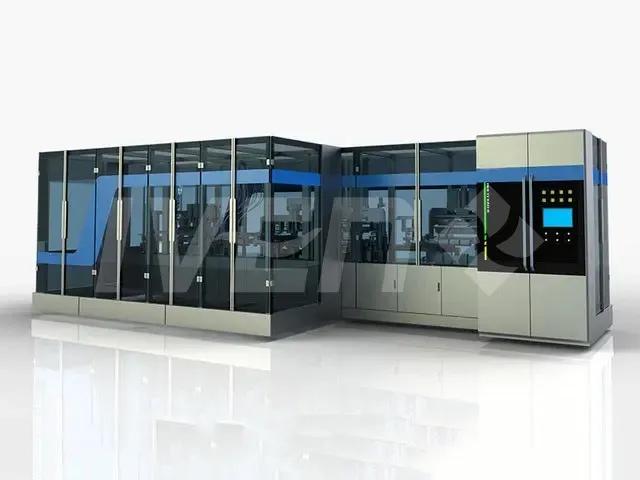
United States Guide to Multi-Chamber IV Line Costs
For pharmaceutical manufacturers in the United States, multi-chamber IV bag production line cost is best understood as a strategic capital investment rather than a simple machinery price. These lines make it possible to produce advanced infusion products that store incompatible ingredients in separate chambers until point of use. That improves formulation stability, extends shelf life for sensitive combinations, reduces compounding steps in hospitals, and supports safer clinical administration. In practice, the total budget usually includes film handling, bag forming, chamber welding, filling, sealing, inspection, sterilization integration, cleanroom utilities, validation, training, and long-term service support.
In the U.S. market, where buyers often evaluate projects against FDA expectations, cGMP requirements, labor efficiency, and supply chain resilience, the right production line must deliver more than output. It should support regulatory documentation, process consistency, flexible bag formats, and future product expansion. Companies planning projects in hubs such as New Jersey, North Carolina, Illinois, California, Texas, and Puerto Rico often compare not only upfront equipment cost but also lifecycle value, energy use, spare parts availability, commissioning quality, and the supplier’s ability to support installation and validation in the United States.
When evaluating solutions, many buyers also look for integrated engineering experience. IVEN Pharmatech Engineering, headquartered in Shanghai and active worldwide, is known for pharmaceutical engineering and production systems with experience across IV solutions, water systems, filling lines, logistics, and turnkey facilities. For U.S.-focused investors, that matters because multi-chamber IV bag projects rarely succeed through standalone machinery alone; they need coordinated process design, compliant documentation, and realistic startup planning.
Quick Answer: Understanding Multi-Chamber IV Bag Production Line Cost

The cost of a multi-chamber IV bag production line in the United States can vary widely depending on capacity, degree of automation, bag configuration, sterile process design, utilities, and validation scope. A smaller semi-automated or pilot-oriented system may require a lower initial budget, while a fully automated high-speed commercial line with integrated inspection, CIP/SIP interfaces, MES connectivity, and advanced chamber-forming capability can represent a major capital project. In many cases, buyers should assess the investment in three layers: core equipment, plant integration, and compliance/operational readiness.
Core equipment commonly includes film unwinding, forming, port insertion, multi-chamber partition sealing, filling, final sealing, leak detection, vision inspection, and discharge handling. Plant integration adds purified water, WFI support interfaces where required, clean compressed air, HVAC compatibility, cleanroom layouts, sterilization pathways, and material flow planning. Operational readiness adds FAT, SAT, IQ/OQ/PQ support, training, SOP alignment, and spare parts strategy. This is why two projects described as “the same line” can show very different total landed cost.
For U.S. pharmaceutical producers serving hospitals, outpatient infusion providers, and institutional care networks, the return comes from product differentiation, reduced formulation compatibility issues, improved packaging innovation, and the ability to serve higher-value clinical categories. Buyers near major logistics corridors such as the Port of Los Angeles, Port of New York and New Jersey, Savannah, Houston, and Chicago distribution centers often also model import timing, installation windows, and local technical support into cost planning.
| Cost Element | What It Includes | Why It Matters | Typical Cost Impact | U.S. Relevance | Buyer Tip |
|---|---|---|---|---|---|
| Core production line | Forming, filling, sealing, chamber welding | Defines capacity and product capability | Highest capital component | Must fit FDA-oriented production expectations | Match line speed to actual sales forecast |
| Bag and film system | Film feeding, tension control, material compatibility | Affects seal quality and defect rate | Medium to high | Important for supplier qualification | Test target films before purchase |
| Utility integration | Air, power, purified water interfaces, HVAC connection | Ensures stable operation | Medium | Major factor in retrofit projects | Audit plant utilities early |
| Validation package | FAT, SAT, IQ, OQ, PQ support documents | Speeds compliance readiness | Medium | Critical in U.S. regulated manufacturing | Define document list in contract |
| Installation and training | Commissioning, operator training, line setup | Reduces startup delay | Medium | Helps local teams ramp faster | Include shift-based training plans |
| After-sales support | Spare parts, remote service, field response | Protects uptime | Ongoing lifecycle cost | Vital for 24/7 supply commitments | Check response time guarantees |
The table above shows why the phrase “production line cost” should always be expanded into a total project cost model. A low machine quote without validation support or material testing can become more expensive over time than a higher initial quotation from a supplier with stronger integration capability.
What a Multi-Chamber IV Bag Production Line Is and Its Main Advantages

A multi-chamber IV bag production line is a specialized pharmaceutical packaging and filling system designed to manufacture infusion bags divided into two or more sealed compartments. Each chamber can hold a separate solution, diluent, electrolyte, nutrient component, or drug precursor. The chambers remain isolated during storage and distribution, then are mixed shortly before administration by activating a peel seal, frangible seal, or designed partition break system.
The main advantage is formulation protection. Some drugs, vitamins, amino acids, or reactive solution components degrade when pre-mixed for long periods. By separating them until use, manufacturers can develop more stable products and hospitals can reduce manual mixing risk. This is especially valuable for parenteral nutrition, specialty infusions, reconstitution systems, and emergency care products.
Another major advantage is workflow efficiency. U.S. hospitals facing pharmacy staffing constraints and compounding workload pressure increasingly value ready-to-activate solutions. Products packaged in multi-chamber IV bags can simplify bedside preparation and help reduce contamination exposure compared with repeated manual admixture steps.
From a manufacturing perspective, these lines also support product premiumization. A company selling standard IV solutions in a highly competitive category may improve margins by moving into differentiated dual-chamber or triple-chamber presentations. This can create barriers to entry and support longer product lifecycles when paired with strong clinical positioning.
| Advantage | Operational Effect | Clinical Value | Commercial Value | Production Requirement | Best-Fit Use Case |
|---|---|---|---|---|---|
| Ingredient separation | Reduces incompatibility during storage | Improves stability | Supports premium products | Reliable chamber seal design | Drug-diluent combinations |
| Extended shelf life potential | Less degradation before activation | More consistent potency | Better inventory flexibility | Validated materials and sealing | Sensitive formulations |
| Lower bedside prep steps | Faster clinical workflow | May reduce handling risk | Improves hospital adoption | User-friendly activation feature | Acute care and ICU |
| Product differentiation | Moves beyond commodity IVs | Supports tailored therapies | Higher margin potential | Flexible line tooling | Branded specialty infusion |
| Reduced compounding dependence | Less pharmacy mixing labor | Standardized preparation | Stronger value proposition | Consistent fill accuracy | Large hospital systems |
| Scalable platform development | Supports multiple SKUs | More therapy options | Portfolio expansion | Rapid changeover capability | Growing manufacturers |
In evaluating such lines, buyers should examine how well the equipment handles chamber geometry, peelable seal consistency, fill volume accuracy, and traceability. These technical variables strongly influence successful commercialization.
Clinical Benefits and Hospital Applications of Multi-Chamber IV Bag Production

Clinical demand is one of the strongest drivers behind investment. In the United States, hospitals and health systems increasingly seek packaged solutions that reduce waste, standardize care, and improve pharmacy efficiency. Multi-chamber IV bags answer these needs in several important care settings.
One major application is parenteral nutrition. Dual- or triple-chamber bags allow amino acids, glucose, lipids, and additives to remain separated until preparation. This can improve storage management and reduce the burden on sterile compounding areas. Another application is antibiotic or specialty drug delivery where a dry or concentrated component must be mixed with a diluent shortly before infusion. Emergency medicine, oncology support, renal support, and ICU protocols may also benefit from ready-to-activate systems.
From the hospital operations side, these bags may reduce preparation variability and simplify logistics for centralized distribution. Multi-site health systems in regions such as Boston, Philadelphia, Atlanta, Dallas, Minneapolis, Seattle, and San Diego often prioritize standardized infusion products across multiple care locations. That standardization can improve nursing workflow and inventory management.
For manufacturers, understanding end-user needs helps justify line investment. The right production line should support bag designs that clinicians can activate quickly and safely, while preserving visual clarity, seal integrity, and port usability.
| Hospital Application | Why Multi-Chamber Helps | Typical Users | Activation Need | Operational Benefit | Adoption Potential |
|---|---|---|---|---|---|
| Parenteral nutrition | Separates unstable nutritional components | NICU, ICU, nutrition support teams | High | Reduces compounding burden | Very high |
| Antibiotic therapy | Combines drug and diluent near use | Inpatient pharmacy, med-surg floors | High | Improves dose preparation speed | High |
| Emergency care | Faster activation than manual mixing | ER, trauma units | Very high | Supports rapid response | Moderate to high |
| Critical care | Allows complex formulations | ICU teams | Medium to high | Standardized administration | High |
| Home infusion support | Simplifies patient or caregiver handling | Home care providers | Medium | Lower prep complexity | Growing |
| Oncology support hydration | Supports specialty combinations | Cancer centers | Medium | Reduces handling steps | Moderate |
The chart and table above show why demand is not limited to one therapeutic segment. Buyers considering U.S. commercialization should align line design with the highest-value hospital use cases rather than buying generic capacity without a market roadmap.
Common Types of Multi-Chamber IV Bag Production Lines and Film Material Options
Not all multi-chamber lines are built the same. Some are optimized for dual-chamber bags, others for triple-chamber structures, and some allow modular adaptation across several product formats. Key differences include bag size range, chamber seal technology, port insertion method, filling sequence, and compatibility with different sterilization approaches.
Film selection is equally important. Non-PVC multilayer films are widely preferred in many modern applications due to environmental positioning, extractables considerations, flexibility, and compatibility with advanced bag construction. However, the exact structure must match formulation chemistry, barrier needs, seal performance, and sterilization conditions. In U.S. procurement, film validation and supply continuity are major concerns because material variation can affect seal strength, leak rate, and shelf-life performance.
Manufacturers often evaluate whether they need a line dedicated to one high-volume product or a flexible system that can switch between different bag sizes and chamber counts. The answer depends on forecast, validation strategy, and product portfolio maturity.
| Line Type | Typical Chamber Count | Best For | Material Compatibility | Complexity Level | Investment Profile |
|---|---|---|---|---|---|
| Pilot multi-chamber line | 2 | Development and low-volume launch | Selective film options | Medium | Lower initial capex |
| Commercial dual-chamber line | 2 | Mainstream infusion products | Broad non-PVC support | High | Balanced capex/volume |
| Commercial triple-chamber line | 3 | Nutrition and complex combinations | Advanced multilayer films | Very high | Higher capex |
| Flexible modular line | 2 to 3 | Multi-SKU manufacturing | Multi-material validation needed | High | Higher but versatile |
| High-speed dedicated line | 2 | Large-volume standardized products | Stable validated film set | High | Best for scale economics |
| Specialty aseptic configuration | 2 to 3 | Sensitive formulations | Application-specific | Very high | Premium investment |
| Film Material Option | Main Property | Advantages | Potential Limits | Typical Use | Buyer Checkpoint |
|---|---|---|---|---|---|
| Non-PVC multilayer film | Flexible and widely used | Good modern compliance profile | Needs supplier consistency | General infusion bags | Sealability validation |
| PP-based film structure | Heat resistance | Useful for some sterilization needs | May alter flexibility | Selected high-temp products | Performance trials required |
| EVA-based structure | Soft and clear | Good handling feel | Application-specific chemistry fit | Nutrition-related uses | Compatibility study |
| Co-extruded barrier film | Enhanced protection | Supports shelf-life goals | Higher material cost | Sensitive products | Barrier testing |
| Customized multilayer film | Tailored formulation match | Optimized product fit | Longer qualification time | Premium drug systems | Dual-source planning |
| Sustainable downgauged film | Less material use | Supports sustainability targets | Must preserve strength | Future eco-focused programs | Mechanical testing |
Because film and seal technology are central to product reliability, buyers should request sample runs with target formulations and packaging structures before finalizing procurement. This is one area where technological capability matters more than headline machine speed.
Multi-Chamber IV Bags Versus Single-Chamber IV Bags: A Detailed Comparison
Single-chamber IV bags remain common because they are simpler and cheaper to manufacture. They work well for stable, ready-to-use formulations with long-established demand. Multi-chamber bags, however, become advantageous when ingredient separation creates meaningful clinical or shelf-life benefits. The decision is therefore not simply about replacing one bag with another; it is about choosing the right packaging architecture for the product strategy.
For U.S. manufacturers, the comparison often centers on total value chain economics. Single-chamber bags may offer lower capital cost, easier line validation, and higher speed in certain formats. Multi-chamber bags may offer stronger differentiation, higher product value, reduced hospital preparation needs, and improved stability for complex therapies. The right answer depends on end-market, reimbursement, product development pipeline, and competition.
| Comparison Point | Multi-Chamber IV Bags | Single-Chamber IV Bags | Who Benefits More | Cost Implication | Strategic Takeaway |
|---|---|---|---|---|---|
| Formulation stability | Higher for incompatible ingredients | Limited when pre-mixed instability exists | Specialty products | Favors multi-chamber despite higher capex | Use for sensitive therapies |
| Manufacturing simplicity | More complex | Simpler process flow | Commodity IV producers | Single-chamber usually cheaper | Good for standard solutions |
| Hospital preparation | Often reduced | May require more separate handling | Busy health systems | Can justify premium pricing | Strong clinical selling point |
| Regulatory/validation effort | Higher | Lower | Experienced manufacturers | Multi-chamber needs deeper planning | Budget validation carefully |
| Product differentiation | Strong | Moderate to low | Brand builders | Supports better ROI potential | Useful in competitive markets |
| Scalability for basic fluids | Less ideal | Very strong | High-volume standard IV suppliers | Lower cost per bag | Do not overengineer simple products |
The chart and comparison table make clear that multi-chamber systems are not automatically superior in every scenario. They are superior when the formulation, customer need, and pricing strategy justify the added line complexity.
Current Market Trends and Demand for Multi-Chamber IV Bag Production Capacity
Demand in the United States is being shaped by hospital labor pressure, sterile compounding scrutiny, shortages in certain injectable categories, and the move toward ready-to-use or ready-to-activate drug delivery systems. Health systems want products that improve reliability and reduce avoidable pharmacy workload. Pharmaceutical manufacturers want packaging formats that help them protect margins in crowded infusion categories.
Geographically, interest is especially visible in pharmaceutical and medical manufacturing corridors such as New Jersey, Massachusetts, North Carolina’s Research Triangle, Indiana, Illinois, California, and Puerto Rico. These locations benefit from established talent pools, distribution networks, and access to ports and airports for imported equipment and exported finished products.
Future demand through 2026 is also supported by broader healthcare trends: more outpatient infusion, increased clinical emphasis on medication safety, and a stronger focus on supply chain resilience after repeated disruptions. Sustainability is becoming more relevant as well. Buyers are asking about energy efficiency, reduced film waste, smarter digital maintenance, and traceable production analytics.
The line chart reflects market growth momentum, while the area chart highlights a structural shift from conventional formats toward more advanced infusion packaging. For investors, that suggests capacity decisions made today should not only meet current volume but also support the next generation of product demand.
How to Choose a Reliable Multi-Chamber IV Bag Production Line Manufacturer or Supplier
Supplier selection is one of the most important decisions in the project. In the United States, a reliable manufacturer or supplier should demonstrate not only machine fabrication ability but also regulatory awareness, material process knowledge, and support capability across the full project cycle. Buyers should examine technical design depth, customization experience, FAT quality, documentation, software architecture, spare parts strategy, and responsiveness after startup.
Technological capability is the first filter. A supplier should be able to explain chamber seal design, filling accuracy controls, film tension management, leak prevention, in-line inspection, automation logic, and data integration. Buyers should ask for examples of lines built for IV solutions, soft bags, or other aseptic pharmaceutical applications. A partner with broad engineering knowledge across solution preparation, water systems, and filling operations can often reduce interface risk.
Manufacturing capability is the second filter. Buyers should verify whether the supplier has dedicated production facilities, machining quality control, assembly standards, and experience building lines at consistent industrial scale. This matters because complex pharmaceutical equipment must maintain alignment, repeatability, and surface quality over long operating life. Some global suppliers stand out because they combine specialized plants for filling and packaging machinery, pharmaceutical water treatment systems, intelligent logistics, and related medical production equipment. That integrated manufacturing base can improve coordination in large projects.
Service capability is the third filter. Installation, commissioning, validation support, staff training, documentation transfer, remote diagnosis, and lifecycle optimization are often more important than the machine quote itself. A good supplier should be willing to support feasibility assessment, engineering layout, utility matching, production technology transfer, and long-term maintenance planning. Buyers can learn more about integrated delivery models through project pages such as pharmaceutical turnkey solutions and can review broader equipment portfolios via the product catalog.
| Supplier Evaluation Factor | What to Check | Red Flag | Why It Matters | U.S. Buyer Priority | Decision Weight |
|---|---|---|---|---|---|
| Regulatory understanding | FDA/cGMP-oriented documentation support | Generic documents only | Speeds qualification | Very high | Critical |
| Process know-how | Experience with IV bags and chamber seals | No real sample case | Reduces startup failures | Very high | Critical |
| Customization ability | Bag sizes, films, capacity, software options | Rigid standard-only design | Improves product fit | High | High |
| Factory capability | In-house fabrication and QA system | Heavy outsourcing with little control | Better consistency | High | High |
| Service network | Installation and technical response plan | Unclear support timeline | Protects uptime | Very high | Critical |
| Total project support | Layout, validation, training, spares | Machine-only approach | Reduces hidden costs | Very high | Critical |
For a company like IVEN Pharmatech Engineering, the value proposition in this area comes from combining pharmaceutical equipment engineering, compliance-focused project experience, and lifecycle support rather than offering machinery as an isolated transaction. Buyers needing a discussion around specifications or a U.S.-oriented proposal structure can use the contact channel to start technical evaluation.
Investment Cost, Budget Planning, and ROI Analysis for Multi-Chamber IV Bag Production
Budget planning should begin with a realistic demand model and target product mix. Too many projects either overspend on speed that will not be utilized for years or underspecify flexibility and regret it during expansion. A practical approach is to build three scenarios: launch phase, stable commercial phase, and expansion phase. This lets the company compare whether a modular system, single high-speed line, or phased equipment purchase offers the best economics.
Direct capital cost includes the line itself, tooling, automation systems, and quality inspection modules. Indirect capital cost includes freight, import procedures, installation, commissioning, room modifications, utilities, and validation. Operating cost includes labor, energy, film, ports, maintenance, spare parts, changeover time, and yield loss. ROI then depends on bag selling price, utilization rate, reject reduction, market access, and ability to command premium pricing through advanced formulation formats.
For example, if a U.S. manufacturer supplies ready-to-activate hospital products with meaningful price advantage over standard bags, ROI may be accelerated even with higher capex. If the product remains in a commodity segment without strong differentiation, payback can be slower. That is why commercial strategy and engineering strategy must be planned together.
| Budget Category | Typical Share of Project | Can Be Underestimated? | Main Risk | Planning Advice | ROI Impact |
|---|---|---|---|---|---|
| Equipment purchase | 35% to 50% | Yes | Underspecification or overspecification | Align with SKU roadmap | Direct |
| Facility adaptation | 10% to 20% | Yes | Utility mismatch, layout changes | Perform site audit first | Indirect but significant |
| Validation and documentation | 8% to 15% | Often | Startup delay | Contract exact deliverables | High |
| Training and commissioning | 5% to 10% | Often | Low early efficiency | Train operators by role | Medium to high |
| Spare parts and service | 3% to 8% | Yes | Extended downtime | Buy critical spares package | High over lifecycle |
| Working capital and launch inventory | 10% to 20% | Yes | Cash pressure before sales scale | Coordinate launch timing carefully | High |
A useful ROI model for U.S. buyers should include at least six variables: projected annual unit volume, average selling price premium versus conventional product, gross margin, overall equipment effectiveness, reject rate, and market adoption ramp. Conservative modeling usually leads to better supplier negotiations and fewer startup surprises.
Key Considerations and Potential Risks When Investing in Multi-Chamber IV Bag Production
The biggest investment mistake is treating the project as a generic packaging purchase. Multi-chamber IV bag manufacturing is a specialized pharmaceutical process where bag design, film chemistry, filling logic, sterilization path, and activation function are tightly linked. If one part is weak, the final product may not meet market or compliance expectations.
Key risks include poor material compatibility, unstable chamber seals, difficult operator changeovers, inadequate inspection sensitivity, unrealistic capacity assumptions, and insufficient validation planning. Supply chain risk is also real. If a project depends on one film source or one proprietary port configuration without backup qualification, the line may be vulnerable during disruptions. U.S. buyers should consider dual sourcing where possible.
Another risk is underestimating project management complexity. Equipment delivery is only one milestone. Successful execution requires coordinated engineering drawings, room readiness, utility confirmation, factory acceptance testing, shipment timing, on-site installation, software verification, training, and qualification documentation. Suppliers with stronger service capability usually lower this execution risk substantially.
By 2026, buyers should also consider digitalization, sustainability, and policy direction. More pharmaceutical plants are asking for predictive maintenance, electronic batch data integration, energy-efficient drives, reduced film waste, and smarter production analytics. Policy pressure around domestic supply resilience and quality assurance may further favor robust, compliant, and well-documented systems.
| Risk Area | Description | Business Impact | Mitigation Method | When to Address | Severity |
|---|---|---|---|---|---|
| Material mismatch | Film does not suit formulation or sealing process | Leaks or shelf-life failure | Run compatibility trials | Before PO and validation | High |
| Weak chamber performance | Partition does not open or hold correctly | Clinical usability problems | Prototype and stress testing | Design stage | High |
| Low real output | Actual OEE below quoted speed | Poor ROI | Demand realistic FAT proof | Supplier selection | High |
| Validation delay | Documents or tests incomplete | Launch postponement | Lock deliverables in contract | Early project phase | High |
| Service gap | Slow technical response after installation | Downtime and lost supply | Define SLA and spare plan | Contract negotiation | Medium to high |
| Single-source dependency | One material or component supplier only | Supply disruption risk | Qualify alternatives | Scale-up phase | Medium to high |
A disciplined risk register should be part of every investment review. Companies that combine engineering diligence with market validation typically achieve much stronger long-term returns than those that focus only on the initial machine quote.
FAQ
What is the typical price range for a multi-chamber IV bag production line in the United States?
There is no single standard price because project scope varies widely. Budget can range from a lower-cost development configuration to a major commercial turnkey investment when high automation, validation support, utilities integration, and advanced inspection are included.
Why is a multi-chamber line more expensive than a single-chamber line?
It requires more complex bag forming, chamber partition sealing, activation design, process controls, and validation. The value comes from higher product functionality, better stability for selected formulations, and stronger market differentiation.
Which U.S. sectors drive demand for these lines?
Hospital infusion suppliers, parenteral nutrition manufacturers, specialty injectables companies, contract manufacturers, and firms serving acute care or home infusion channels are key demand drivers.
What should be included in a supplier quotation?
The quotation should clearly define line scope, output, bag format range, film compatibility, documentation package, FAT standards, commissioning scope, training, spare parts, warranty, and optional validation services.
How important is turnkey support?
Very important. A turnkey-capable partner can help reduce layout errors, integration issues, schedule delays, and compliance gaps. This is especially useful for companies launching a new dosage form or converting an existing plant.
Can a global supplier support U.S. compliance needs?
Yes, if the supplier has genuine experience with regulated pharmaceutical projects, strong documentation practices, and responsive service. The key is not location alone but demonstrated capability across design, manufacturing, and validation support.
How long does ROI usually take?
It depends on utilization, product pricing, market access, and operational efficiency. A differentiated product with strong hospital demand can pay back faster than a commodity infusion format with limited premium potential.
What future trends should buyers plan for through 2026?
Plan for digital monitoring, better traceability, predictive maintenance, lower-waste material strategies, stronger sustainability expectations, and policy emphasis on resilient pharmaceutical supply chains.
For U.S. pharmaceutical companies, multi-chamber IV bag production line cost should be evaluated as part of a broader manufacturing and market-entry strategy. The best investment is not always the cheapest line; it is the line that fits the product, satisfies compliance expectations, supports reliable long-term operation, and creates measurable clinical and commercial value. Companies that want to compare equipment options, discuss facility integration, or explore a broader engineering partnership can review company capabilities, examine turnkey project services, browse the equipment portfolio, or request a technical consultation.

About the Author
We are IVEN Pharmatech Engineering, a team dedicated to delivering turnkey pharmaceutical and medical solutions worldwide. With decades of experience, we specialize in advanced machinery, integrated factory design, and full lifecycle support to help our clients achieve efficient, compliant, and high-quality production.
Share
Related Insights
-
Blood Collection Tube Machine Cost in the United States
For medical device companies serving hospitals, blood banks, and diagnostic laboratories, understanding blood collection tube machine cost is not just about comparing equipment prices. In the United States, the decision affects FDA-oriented quality systems, labor planning, automation strategy, production output, and long-term competitiveness. Buyers in Boston, Houston, Chicago, Los Angeles, Atlanta, and New Jersey often evaluate these systems as part of a broader manufacturing investment that also includes cleanroom utilities, packaging, inspection, labeling, validation, and logistics.
A modern vacuum blood collection tube line is designed to automate the key steps needed to manufacture high-quality blood collection tubes at scale. Depending on capacity, tube material, additive requirements, and the level of integration, capital budgets can range from a modest semi-automatic setup to a fully automated line that includes tube feeding, chemical dosing, drying, stoppering, capping, vacuuming, labeling, tray loading, inspection, and packing. Companies planning to supply large healthcare networks across the United States often favor automated systems because they reduce labor dependence, improve consistency, and support traceable quality control.
For buyers comparing suppliers, it is important to look beyond the sticker price. Installation support, spare parts strategy, validation documents, software logic, recipe flexibility, and field service responsiveness often determine the real cost of ownership. This is especially true when equipment is imported through major gateways such as the Ports of Los Angeles and Long Beach, the Port of Savannah, the Port of Houston, or East Coast hubs serving New York and New Jersey.
The quick answer is that blood collection tube machine cost reflects the value of reliable automation for producing large volumes of consistent blood collection tubes. For medical device companies in the United States, these machines help reduce unit labor cost, improve process repeatability, support quality control, and scale production for hospitals, physician office labs, reference labs, and public health systems. A well-configured line can produce tubes with tighter dosing accuracy, better vacuum stability, and more dependable closure performance than a manual or lightly automated process.
In practical terms, a buyer is usually paying for five things: production capacity, automation depth, compliance readiness, machine durability, and service support. Higher-cost systems generally offer better throughput, lower reject rates, stronger data control, and easier integration with downstream packaging and warehouse systems. For firms that want to build or expand U.S. medical consumables manufacturing, the right line can shorten payback time by improving output and reducing rework.
Machine LevelTypical Budget RangeOutput ExpectationBest FitMain AdvantageMain LimitationSemi-automatic bench systemUSD 60,000 to 150,000Low volume pilot productionStartups and R&D teamsLower upfront costHigh labor dependenceBasic automatic dosing and stoppering lineUSD 180,000 to 400,000Small commercial runsRegional suppliersImproved consistencyLimited integrationMid-range integrated production lineUSD 450,000 to 900,000Medium to high volumeGrowing manufacturersBalanced cost and automationMay need separate packaging unitsHigh-speed fully automatic lineUSD 1.0 million to 2.5 millionLarge-scale mass productionNational suppliersLow unit cost at scaleHigher commissioning complexityTurnkey line with clean utilities and validation packageUSD 2.5 million to 6.0 millionFull factory deploymentEnterprise investorsBroader project controlLonger lead timeCustom smart factory solutionUSD 6.0 million and aboveMulti-line strategic manufacturingGlobal groupsDigital integration and scalabilityRequires strong project managementThe table above shows why machine price alone can be misleading. A lower-cost line may appear attractive, but if it cannot meet U.S. output targets, closure performance standards, or documentation requirements, its effective cost per sellable tube can be much higher.
When buyers search for blood collection tube machine cost, they are usually referring to the investment required for equipment used to manufacture vacuum blood collection tubes. These tubes are used to collect, preserve, transport, and prepare blood samples for laboratory analysis. The line may produce serum tubes, EDTA tubes, heparin tubes, sodium citrate tubes, glucose tubes, clot activator tubes, and gel separation tubes, depending on process design.
A complete production line works by moving empty plastic or glass tubes through a controlled sequence. First, tubes are unscrambled or fed into the line. Then additives are dosed in precise quantities. Drying or curing may follow for selected chemistries. Closures are inserted, and the system creates a target vacuum based on tube type and fill volume requirements. After that, the tubes may be capped, labeled, inspected, loaded into trays, packed into cartons, and transferred to warehousing.
Strong equipment suppliers design the line around repeatability and contamination control. This is where technological capability matters. Companies such as IVEN Pharmatech Engineering are known in the sector for developing specialized vacuum blood collection tube production equipment alongside pharmaceutical filling, packaging, water treatment, and intelligent logistics systems. For U.S. buyers, that breadth is useful because blood tube manufacturing often overlaps with clean utility design, filling accuracy, material flow, and regulated documentation practices.
Production StepPrimary FunctionKey Control PointQuality RiskAutomation BenefitTypical Sensor or CheckTube feedingOrient and transfer empty tubesStable supply rateJams and scratchesConsistent flowPresence sensorAdditive dosingDispense reagent into tubeDose accuracyUnderfill or overdosingRepeatable chemistry loadingMetering pump verificationDrying or curingStabilize additives if requiredTime and temperatureResidue inconsistencyUniform process conditionsTemperature probeStopperingInsert closureFit force and depthSeal leaksReduced rejection ratePosition checkVacuumingSet tube vacuum levelPressure profileIncorrect draw volumeMore stable sample collectionVacuum monitorLabeling and inspectionApply label and verify appearanceBarcode and placementMislabeled productTraceability and brand consistencyVision inspectionIn advanced lines, machine software stores recipes for different tube formats, reducing changeover time and operator error. That is especially valuable for contract manufacturers serving multiple private-label customers. In the U.S. market, where SKU variety can be high and replenishment cycles can be tight, recipe-driven production is a major advantage.
From a compliance perspective, buyers should also assess whether the supplier can support installation qualification, operational qualification, performance qualification, and related documentation. A machine may operate well mechanically but still create delays if validation support is weak.
Blood collection tube systems serve a broad group of medical device and diagnostics manufacturers. The strongest applications are found in companies supplying hospital systems, reference laboratories, outpatient clinics, dialysis centers, urgent care groups, blood banks, and public health procurement programs. Demand is especially concentrated near healthcare corridors and logistics hubs, including California, Texas, Illinois, Florida, Pennsylvania, Massachusetts, and the Mid-Atlantic distribution belt.
The production benefits of automation are clear. First, automated lines deliver better additive consistency, which matters for test reliability. Second, they reduce handling, which lowers contamination and cosmetic defects. Third, they improve lot traceability, helping companies manage customer complaints and regulatory audits. Fourth, they support round-the-clock production with less dependence on manual labor, an important factor in high-cost labor markets across the United States.
End-Use SectorTube Demand PatternPreferred Machine FeatureMain Production NeedWhy Automation HelpsU.S. Market RelevanceHospital networksHigh and steadyHigh-speed outputReliable replenishmentConsistent volume and labelingVery highReference laboratoriesVery high volumeMulti-SKU flexibilityDifferent additive typesFast recipe changeoverVery highPhysician office labsModeratePrivate label supportBrand variationSmall batch efficiencyModerateDialysis and chronic care providersStable recurringQuality traceabilityRoutine specimen collectionReduced lot variabilityHighGovernment and public health supplySurge sensitiveScalable productionEmergency readinessRapid capacity expansionHighContract manufacturersVariable mixed demandQuick change partsMultiple customer specificationsBetter utilization ratesHighThe chart below illustrates relative U.S. demand by end-use segment.
var ctxBar = document.getElementById(‘barChartDemand’).getContext(‘2d’);var barChartDemand = new Chart(ctxBar, {type: ‘bar’,data: {labels: [‘Hospital Networks’, ‘Reference Labs’, ‘Contract Mfg’, ‘Public Health’, ‘Dialysis Centers’, ‘Clinic Supply’],datasets: [{label: ‘Estimated Annual Demand Index’,data: [92, 98, 74, 63, 57, 49],backgroundColor: [‘rgb(54, 162, 235)’,’rgb(75, 192, 192)’,’rgb(255, 159, 64)’,’rgb(153, 102, 255)’,’rgb(255, 99, 132)’,’rgb(201, 203, 207)’]}]},options: {responsive: true,maintainAspectRatio: false}});For companies entering the medical consumables field, blood collection tube production can also create strategic cross-selling opportunities with needles, holders, lancets, sample transport packaging, and laboratory consumables. A manufacturer that already serves healthcare distribution channels in Dallas, Miami, Seattle, or Newark may find blood tube production a logical extension.
There is no single price point because machine configurations vary significantly. The main design differences include production speed, automation scope, material compatibility, additive type, and packaging integration. Some systems focus only on additive filling and stoppering, while others deliver a full line from tube loading to final carton packing.
Technological sophistication often determines long-term value. Suppliers with mature R&D platforms can offer servo-controlled dosing, precision vacuum control, vision inspection, remote diagnostics, and modular architecture. This is another area where IVEN Pharmatech Engineering has a strong profile, combining equipment development with broader pharmaceutical and medical device engineering experience. Its portfolio includes multiple generations of vacuum blood collection tube lines, along with process and utility systems that can support more integrated factory planning.
Configuration TypeTypical OutputCommon Tube TypesAutomation LevelBudget ImpactBest Buyer ProfileStandalone additive filling machineLow to mediumBasic anticoagulant tubesPartialLowerExisting line upgradesFilling plus drying and stoppering unitMediumEDTA, heparin, fluorideModerateMediumRegional manufacturersIntegrated vacuum blood tube lineMedium to highMultiple standard SKUsHighMedium to highGrowing commercial plantsHigh-speed intelligent production lineHighLarge product rangeVery highHighLarge enterprisesLine with full packaging automationHighRetail and institutional packsVery highHigherNational distribution suppliersTurnkey factory configurationHigh to very highBroad portfolioComprehensiveHighestNew factory investorsThe comparison chart below shows how different configurations rank across key buying criteria.
var ctxComp = document.getElementById(‘comparisonChartConfig’).getContext(‘2d’);var comparisonChartConfig = new Chart(ctxComp, {type: ‘bar’,data: {labels: [‘Entry Semi-auto’, ‘Mid Integrated’, ‘High-speed Auto’, ‘Turnkey Smart Factory’],datasets: [{label: ‘Output Score’,data: [35, 68, 91, 95],backgroundColor: ‘rgb(54, 162, 235)’},{label: ‘Flexibility Score’,data: [42, 73, 84, 93],backgroundColor: ‘rgb(255, 159, 64)’},{label: ‘Compliance Readiness Score’,data: [40, 70, 88, 94],backgroundColor: ‘rgb(153, 102, 255)’}]},options: {responsive: true,maintainAspectRatio: false}});In the United States, many buyers prefer modular lines because they allow phased capital deployment. A company can begin with a core line and later add automated labeling, robotic packing, warehouse connections, or digital batch data functions as demand increases.
Manual assembly lines may still be used for pilot batches or very small production volumes, but they are increasingly difficult to justify for commercial-scale blood collection tube manufacturing in the United States. Labor rates, training turnover, ergonomic limitations, and inconsistency risks often make manual production less competitive over time.
Automated lines produce more stable quality and support better process control. The cost advantage becomes more obvious when reject reduction, traceability, and uptime are included in the analysis. A manual line may appear cheaper at first, but once demand reaches a meaningful level, labor and quality losses can exceed the savings.
FactorManual AssemblyAutomated Tube LineOperational ImpactFinancial EffectStrategic ConclusionLabor requirementHighLow to moderateStaffing sensitivityHigher ongoing costAutomation favoredOutput consistencyVariableHighQuality fluctuationsMore rejects manuallyAutomation favoredTraceabilityLimitedStrongAudit readinessLower compliance riskAutomation favoredScalabilityPoorStrongDemand responseBetter growth economicsAutomation favoredChangeover controlOperator dependentRecipe drivenSKU managementLess downtime automatedAutomation favoredUnit cost at scaleHighLowerMargin pressureBetter ROI automatedAutomation favoredThat said, automation is not always the right answer if the business case is weak. Companies with unstable demand forecasts, no clear regulatory pathway, or no cleanroom infrastructure may benefit from starting with a smaller system before moving to a fully integrated line.
The U.S. market for blood collection tube manufacturing equipment is supported by several demand drivers: growth in diagnostic testing, an aging population, expansion of outpatient care, supply chain resilience planning, and interest in domestic or near-market manufacturing. Since the pandemic era, many healthcare suppliers have also become more sensitive to single-source risk, which has encouraged investment in local production capacity and diversified sourcing.
There are meaningful opportunities for machine manufacturers and system integrators that can deliver reliable documentation, stable delivery schedules, and practical after-sales support. This matters because U.S. buyers are not simply purchasing a machine; they are securing a production platform. Suppliers that can bridge equipment, utility engineering, packaging automation, and validation support are often more attractive than single-purpose vendors.
From a manufacturing capability standpoint, IVEN Pharmatech Engineering has relevance here because it operates several specialized plants focused on pharmaceutical filling and packaging equipment, water treatment systems, intelligent conveying and logistics, and vacuum blood collection tube machinery. Its track record in delivering large numbers of production lines and turnkey projects gives buyers added confidence when evaluating scale, fabrication discipline, and project execution capability.
The line chart below presents a realistic growth outlook for U.S. investment interest in this category.
var ctxLine = document.getElementById(‘lineChartGrowth’).getContext(‘2d’);var lineChartGrowth = new Chart(ctxLine, {type: ‘line’,data: {labels: [‘2021’, ‘2022’, ‘2023’, ‘2024’, ‘2025’, ‘2026’],datasets: [{label: ‘U.S. Investment Interest Index’,data: [58, 63, 69, 77, 86, 94],borderColor: ‘rgb(75, 192, 192)’,backgroundColor: ‘rgba(75, 192, 192, 0.2)’,fill: false,tension: 0.25}]},options: {responsive: true,maintainAspectRatio: false}});Looking toward 2026, three trends stand out. First, smart manufacturing features such as remote monitoring, electronic batch support, machine vision, and predictive maintenance will become more common. Second, policy and procurement trends may continue to favor supply security and traceable domestic availability for critical medical consumables. Third, sustainability expectations will rise, pushing manufacturers to reduce energy consumption, material waste, and packaging inefficiency.
The area chart below shows how buyer priorities are shifting over time.
var ctxArea = document.getElementById(‘areaChartTrends’).getContext(‘2d’);var areaChartTrends = new Chart(ctxArea, {type: ‘line’,data: {labels: [‘2021’, ‘2022’, ‘2023’, ‘2024’, ‘2025’, ‘2026’],datasets: [{label: ‘Basic Capacity Priority’,data: [82, 79, 74, 68, 61, 55],fill: true,backgroundColor: ‘rgba(255, 159, 64, 0.2)’,borderColor: ‘rgb(255, 159, 64)’,tension: 0.25},{label: ‘Smart Automation Priority’,data: [41, 48, 57, 66, 76, 85],fill: true,backgroundColor: ‘rgba(54, 162, 235, 0.2)’,borderColor: ‘rgb(54, 162, 235)’,tension: 0.25},{label: ‘Sustainability Priority’,data: [28, 34, 43, 52, 61, 72],fill: true,backgroundColor: ‘rgba(75, 192, 192, 0.2)’,borderColor: ‘rgb(75, 192, 192)’,tension: 0.25}]},options: {responsive: true,maintainAspectRatio: false}});Machine suppliers that can support U.S. projects near trade and healthcare centers such as Chicago, Philadelphia, Houston, and the Research Triangle will be well positioned. Fast access to spare parts and technical support remains a major differentiator.
Choosing a supplier should start with a disciplined qualification process. Buyers should review machine references, fabrication quality, software logic, documentation packages, and the supplier’s ability to communicate clearly through FAT, shipment, SAT, validation, and training. It is also smart to ask whether the supplier has experience with U.S. FDA-aligned expectations, IQ/OQ/PQ support, and project execution in English-language documentation.
Service capability is often the hidden difference between a good purchase and a costly one. A reliable partner should support feasibility review, engineering design, equipment selection, customization, installation, commissioning, validation planning, staff training, and post-startup optimization. This is where a company with integrated engineering services can offer more value than a basic machinery exporter. Buyers exploring complete plant development can review turnkey project capabilities when they need more than a stand-alone machine.
In supplier comparisons, ask the following questions:
Buyers importing equipment into the United States should also assess freight and customs planning. Large lines commonly move through Los Angeles, Long Beach, Houston, Savannah, Norfolk, or New York/New Jersey depending on final destination. Inland transport to manufacturing sites in Ohio, Indiana, North Carolina, or Arizona can add cost and scheduling complexity, particularly for oversized skids or utility modules.
To evaluate product scope, buyers may browse relevant equipment categories and then request a tailored proposal. A serious supplier should be able to map the line around target output, tube specification, additive chemistry, plant layout, and future expansion requirements.
Investment planning should include much more than machine purchase price. U.S. buyers often underestimate the cost of facility preparation, utilities, cleanroom modifications, validation, training, spare parts, and working capital for launch inventory. A more accurate budget model separates direct equipment cost from total installed project cost.
Typical budget categories include the machine itself, mold or change parts, shipping, customs, installation, commissioning, validation, compressed air, purified water if required, HVAC adjustments, cleanroom furnishing, warehouse space, and staffing. If labeling and final packaging are not integrated into the main line, those systems should also be budgeted separately.
ROI depends on volume. A high-speed automated line may look expensive, but if it replaces labor-intensive production and cuts reject rates substantially, the payback period can be attractive. For example, a manufacturer selling into large U.S. hospital groups can gain leverage from lower unit cost, stronger delivery performance, and greater quality consistency. Even a 2% to 4% reject reduction may produce major savings when annual production reaches tens of millions of tubes.
A practical ROI model should include:
Many buyers also benefit from phased investment. Instead of building the final capacity all at once, they begin with an integrated line and expand packaging automation or warehouse integration later. This lowers capital risk while preserving a growth path.
For businesses seeking a partner rather than only a machine, it is worth considering suppliers that support lifecycle planning. Engineering groups with experience in equipment selection, installation, validation, technology transfer, and optimization can reduce the risk of budget overruns and delayed startup. Buyers ready for a detailed quotation can use the supplier’s project contact channel to discuss output, tube mix, utility conditions, and U.S. compliance expectations.
The biggest mistake in this category is choosing based on headline price alone. A low-cost machine can become expensive if it suffers from unstable vacuum control, poor dosing accuracy, hard-to-source components, or weak technical support. In regulated healthcare supply, even small process deviations can create customer complaints, product holds, or brand damage.
Key considerations include machine compatibility with intended tube materials, additive handling safety, seal integrity, vacuum stability, vision inspection capability, and data traceability. Buyers should also assess preventive maintenance access, component brand selection, software backup procedures, and the local skill level needed to keep the line running.
The major risks include:
A wise approach is to define user requirement specifications early, then compare suppliers against the same matrix. This makes it easier to evaluate technical fit, compliance support, total project cost, and long-term service strength. It also reduces the risk of selecting a supplier whose proposal looks inexpensive only because major scope elements have been excluded.
For 2026 and beyond, investors should also watch sustainability metrics and policy shifts. More healthcare purchasers are paying attention to packaging efficiency, energy use, equipment life cycle, and supply chain resilience. Durable stainless steel construction, efficient utility design, and upgradeable controls can improve both environmental performance and asset longevity.
What is the average blood collection tube machine cost in the United States?There is no single average, but commercial systems commonly range from roughly USD 180,000 for limited automation to more than USD 2.5 million for high-speed integrated lines, with turnkey factory projects running much higher.
What drives the price the most?The biggest factors are output speed, level of automation, number of supported tube types, dosing precision, vacuum control, inspection systems, packaging integration, and validation support.
Is a fully automatic line worth it for a mid-sized manufacturer?Often yes, if volume is stable and the company wants lower unit cost, stronger consistency, and easier scale-up. The return is best when labor savings and reject reduction are meaningful.
How long does delivery and installation usually take?Lead time can vary from a few months for simpler units to much longer for customized integrated lines. Shipment, customs clearance, site readiness, and validation can significantly affect the total timeline.
Can one line produce multiple blood tube types?Yes, many modern lines support multiple tube sizes and additive recipes, but the efficiency of changeover depends on machine design, recipe management, and change parts.
What certifications or compliance support should U.S. buyers ask for?Buyers should request clear documentation for equipment quality, electrical safety configuration, material contact surfaces, FAT and SAT protocols, and support for IQ, OQ, and PQ where required.
Should we buy a stand-alone machine or a turnkey system?That depends on your plant readiness. If utilities, cleanroom, packaging, and warehousing are already in place, a stand-alone line may work. If not, a turnkey or integrated engineering approach can reduce project risk.
What makes a supplier more reliable?Proven installations, stable manufacturing capacity, strong technical communication, regulatory awareness, validation support, spare parts planning, and responsive after-sales service are the main signals.
In summary, blood collection tube machine cost should be evaluated as a total production investment rather than a simple equipment quote. U.S. buyers who match capacity, compliance, logistics, and service needs to the right machine configuration are more likely to achieve reliable output, better margins, and faster payback.
-
Turnkey vs Modular Pharma Facilities in the United States
Pharmaceutical manufacturers in the United States increasingly compare a pharma turnkey plant vs modular facility when adding capacity, replacing aging assets, or launching new regulated production lines. The choice affects capital expenditure, speed to market, validation strategy, staffing, utilities integration, and long-term flexibility. In simple terms, a turnkey plant is usually the better fit for large, permanent, fully customized operations, while a modular pharma facility is often better for faster deployment, phased expansion, and projects that need repeatable standardized units. The right answer depends on product type, batch size, utility load, available site infrastructure, and the company’s regulatory and commercial timeline.
For decision-makers in New Jersey, Massachusetts, North Carolina, Texas, California, and other U.S. life science hubs, the comparison is not only about construction style. It is also about whether the facility can support cGMP inspections, maintain reliable cleanroom performance, integrate water-for-injection and purified water systems, support digital manufacturing, and remain economical over a 10- to 20-year lifecycle. Companies building sterile injectable plants near Boston or Princeton face different space and permitting realities than firms expanding medical consumables capacity near Houston or logistics corridors close to the Port of Savannah.
A turnkey pharmaceutical plant is a fully integrated, end-to-end project delivered by one engineering partner that handles design, equipment selection, utilities, installation, commissioning, and often validation support. A modular pharmaceutical facility uses pre-engineered or prefabricated building blocks, process rooms, skids, and cleanroom modules that are assembled off-site and then installed on-site. In the United States, turnkey plants are commonly selected for larger greenfield investments where full customization and unified accountability matter most. Modular facilities are favored when project speed, phased capacity growth, site constraints, or reduced disruption to existing operations are priorities.
The best option depends on five practical questions:
Decision FactorTurnkey PlantModular FacilityWhy It MattersProject speedModerate to longFast to very fastModular construction shortens site work and can accelerate time to qualification.CustomizationVery highHigh but standardizedTurnkey projects are ideal for unique process layouts and heavy utility integration.Expansion flexibilityPossible but more complexExcellentModules are easier to replicate or add in phases.Upfront planning burdenHigherModerateGreenfield turnkey projects often require more site and design coordination.Best scaleMid to very largeSmall to mid, or phased largeFacility strategy should match expected output and product portfolio.Single-point accountabilityUsually strongVaries by supplier modelA single responsible partner can reduce coordination risk during execution.The table above shows why neither option is universally better. For example, a large injectable plant serving nationwide hospital systems may justify a full turnkey build, while a CDMO expanding clinical or niche commercial capacity may prefer modular suites to reduce time to market.
In pharmaceutical production, a turnkey plant is not just a building. It is a complete manufacturing solution that can include process equipment, cleanrooms, HVAC, purified water, water for injection, purified steam, material handling, packaging, electrical systems, automation, and qualification support. The buyer receives a near-ready factory designed around a product family such as sterile injectables, oral liquids, solid dosage forms, biologics, or medical consumables.
A modular facility uses prefabricated units that may include cleanroom panels, utility skids, formulation skids, CIP/SIP units, filling line rooms, packaging rooms, and warehouse elements. These are fabricated in controlled conditions and transported to the final site. In U.S. projects, this approach is useful when labor availability is tight, weather affects site schedules, or local disruption must be minimized.
Typical use cases include:
Companies evaluating integrated engineering support often review turnkey pharmaceutical project solutions when they need a single partner to coordinate architecture, process engineering, clean utilities, and production equipment.
Facility ElementTurnkey ApproachModular ApproachCommon U.S. ApplicationCleanroomsBuilt to custom room schedulePrefabricated room modulesSterile lines, packaging halls, QC spacesWater systemsCentralized utility designSkid-based utility modulesInjectables, oral liquids, device washingFilling linesFully customized line integrationInstalled in modular suitesVials, ampoules, syringes, IV bagsWarehousingSite-built logistics designExpandable modular support areasCold chain, pallet handling, quarantineAutomationPlant-wide architectureModule-level controls with integrationBatch control, EMS, MES gatewaysValidation scopeIntegrated across whole plantModule plus site integration validationIQ, OQ, PQ planning under cGMPThis distinction matters because the facility model influences every downstream decision: user requirement specifications, facility master planning, utility redundancy, preventive maintenance, spare parts strategy, and expansion sequencing.
Both turnkey and modular solutions serve a wide range of pharmaceutical and medical manufacturing needs in the United States. The most visible benefits are faster market entry, stronger compliance alignment, better process flow, and reduced project uncertainty. However, the specific value differs by application.
For sterile production, turnkey plants are often preferred when there are multiple lines, complex aseptic zoning, and centralized WFI loops. For oral solids and liquids, modular approaches can reduce project schedules, especially when dosage forms are standardized. For medical consumables, modular production blocks can support phased expansion while preserving validated production in adjacent areas.
Key benefits include:
Demand is especially high in regions with strong pharma ecosystems such as Boston-Cambridge, New Jersey, Philadelphia, Raleigh-Durham, Indianapolis, and the San Francisco Bay Area.
var ctxBar = document.getElementById(‘barChartDemand’).getContext(‘2d’);var barChartDemand = new Chart(ctxBar, {type: ‘bar’,data: {labels: [‘Sterile Injectables’, ‘Oral Solids’, ‘Biologics Support’, ‘Medical Consumables’, ‘Packaging’, ‘Water Systems’],datasets: [{label: ‘Estimated U.S. Project Demand Index’,data: [92, 74, 81, 68, 70, 88],backgroundColor: [‘#4e79a7′,’#f28e2b’,’#59a14f’,’#e15759′,’#76b7b2′,’#edc948′]}]},options: {responsive: true,maintainAspectRatio: false,scales: { y: { beginAtZero: true, max: 100 } }}});The bar chart illustrates where investment demand is strongest. Sterile injectables and clean utility systems remain particularly active because many U.S. manufacturers are modernizing facilities to support resilient domestic supply and higher quality expectations.
ApplicationTypical Facility ChoiceMain BenefitOperational NoteLarge-volume IV solutionsTurnkeyIntegrated line and utility controlNeeds robust water systems and high-output packaging flow.Ampoule and vial fillingTurnkey or hybrid modularAseptic design consistencyCritical for airflow, sterilization, and line clearance.Prefilled syringesModular or hybridFast deploymentOften benefits from isolated, repeatable suites.Oral liquid productionModularScalable phased growthUseful for regional product expansion.Solid dosage manufacturingEitherFlexible room designContainment and dust control remain key.Medical consumablesModularFast capacity expansionIdeal for repeatable production cells and packaging units.As the table shows, many projects now use a hybrid strategy. A company may choose a turnkey backbone for central utilities and warehousing, then add modular production suites for future product launches.
When evaluating a pharma turnkey plant vs modular facility, buyers in the United States should compare technical models rather than general labels. Not all turnkey projects are large greenfield plants, and not all modular projects are small containerized units. The market now includes highly sophisticated formats.
Common facility models include:
Technical options usually involve clean utilities, environmental controls, process automation, and logistics systems. For instance, a modern injectable facility may require RO-purified water, multi-effect distillation, clean steam generation, solution preparation and distribution, automated conveying, and robotic secondary packaging. Companies exploring production equipment and clean utility combinations can review specialized pharma machinery and systems to understand how line selection connects to facility architecture.
ModelDescriptionBest ForTypical Technical OptionsFull turnkey greenfieldComplete new plant from concept to validation supportMajor long-term U.S. manufacturing investmentCentral utilities, automated warehouse, full process line integrationBrownfield turnkey retrofitExisting site modernization with new layouts and systemsSites in New Jersey, Pennsylvania, IndianaHVAC upgrade, water loops, packaging revampModular cleanroom blockPrefabricated clean manufacturing areaFast expansion or isolated production zonesHEPA ceilings, pressure cascades, modular wallsUtility skid packagePre-engineered WFI, PW, steam, or process prep modulesInjectables and biotech supportRO systems, distillers, steam generators, CIPHybrid plantPermanent shell with modular process roomsPhased commercial scalingFlexible automation and room replicationPortable production suiteHighly standardized self-contained GMP unitNiche therapies or pilot productionSmall batch prep, local HVAC, rapid deploymentFor U.S. buyers, the decision should also factor in seismic requirements, local building codes, utility tariffs, labor productivity, and transport constraints from ports such as Long Beach, Houston, Savannah, or Newark to inland production sites.
A direct comparison is useful because some companies are not choosing only between turnkey and modular. They may also consider traditional design-bid-build, equipment-only procurement, or contract manufacturing instead of investing in a new facility.
Turnkey works best when management wants one accountable partner, full process-to-building coordination, and a defined quality framework from early design onward. Modular works best when the company values schedule compression and capacity agility. Traditional multi-contractor projects can offer procurement flexibility, but they often create more interface risk and require stronger in-house engineering management.
var ctxComp = document.getElementById(‘comparisonChart’).getContext(‘2d’);var comparisonChart = new Chart(ctxComp, {type: ‘bar’,data: {labels: [‘Speed’, ‘Customization’, ‘Scalability’, ‘Single Accountability’, ‘Site Disruption’, ‘Future Relocation’],datasets: [{label: ‘Turnkey Plant’,data: [68, 95, 72, 93, 55, 20],backgroundColor: ‘#4e79a7’},{label: ‘Modular Facility’,data: [90, 78, 94, 70, 82, 58],backgroundColor: ‘#f28e2b’},{label: ‘Traditional Multi-Contractor’,data: [52, 88, 60, 35, 48, 18],backgroundColor: ‘#59a14f’}]},options: {responsive: true,maintainAspectRatio: false,scales: { y: { beginAtZero: true, max: 100 } }}});The comparison chart shows why many U.S. projects now adopt hybrid strategies. A company can combine turnkey program management with modular execution in selected areas. This approach helps balance accountability, speed, and expansion flexibility.
OptionStrengthWeaknessBest Buyer ProfileTurnkey plantUnified delivery and compliance alignmentLonger planning and high initial commitmentEstablished pharma manufacturers with long product horizonsModular facilityRapid deployment and scalable growthMay need careful integration with site utilitiesFast-growing firms, CDMOs, phased investorsHybrid modelBalances customization and speedCoordination complexity if scope is split badlyCompanies with mixed portfoliosDesign-bid-buildProcurement choiceHigher interface and schedule riskOrganizations with strong internal project teamsEquipment-only purchaseLower immediate scopeNo full facility solutionExisting compliant sites adding one lineOutsourced productionAvoids capexLess control over supply chain and marginEarly-stage or low-volume product ownersIn practical terms, if your U.S. launch depends on rapid commercialization of a limited portfolio, modular is often compelling. If you are creating a strategic domestic manufacturing base with multi-line utility integration and long-term independence, turnkey is usually stronger.
The United States remains one of the world’s most attractive markets for pharmaceutical facility investment. Demand is driven by onshoring, supply chain resilience, biologics growth, sterile drug expansion, digital manufacturing, and stricter expectations around quality and data integrity. The market also reflects regional specialization: Boston for biotech and sterile development, New Jersey and Pennsylvania for established pharma operations, North Carolina for bioprocessing and fill-finish support, and Texas for large industrial footprints and medical manufacturing.
By 2026, several trends are shaping facility strategy:
var ctxLine = document.getElementById(‘lineChartMarket’).getContext(‘2d’);var lineChartMarket = new Chart(ctxLine, {type: ‘line’,data: {labels: [‘2021’, ‘2022’, ‘2023’, ‘2024’, ‘2025’, ‘2026’],datasets: [{label: ‘U.S. Pharma Facility Investment Growth Index’,data: [100, 108, 117, 129, 140, 153],borderColor: ‘#e15759’,backgroundColor: ‘rgba(225,87,89,0.15)’,fill: false,tension: 0.25}]},options: {responsive: true,maintainAspectRatio: false,scales: { y: { beginAtZero: false } }}});var ctxArea = document.getElementById(‘areaChartTrend’).getContext(‘2d’);var areaChartTrend = new Chart(ctxArea, {type: ‘line’,data: {labels: [‘2021’, ‘2022’, ‘2023’, ‘2024’, ‘2025’, ‘2026’],datasets: [{label: ‘Share of Modular and Hybrid Projects in New U.S. Builds (%)’,data: [24, 28, 33, 39, 44, 49],borderColor: ‘#76b7b2’,backgroundColor: ‘rgba(118,183,178,0.35)’,fill: true,tension: 0.25}]},options: {responsive: true,maintainAspectRatio: false,scales: { y: { beginAtZero: true, max: 60 } }}});The line chart suggests continuing investment momentum, while the area chart shows modular and hybrid formats gaining share through 2026. This does not mean traditional plants disappear. Rather, buyers are demanding shorter project cycles, better standardization, and lower execution risk.
Another major trend is the use of smarter utility systems. Water purification, WFI generation, clean steam, preparation and distribution systems, and intelligent logistics are increasingly evaluated together instead of in isolation. This integrated view is essential for lifecycle efficiency and compliance readiness.
Supplier selection is one of the most important parts of a U.S. pharma facility investment. A reliable partner should not only provide equipment or modules, but also demonstrate a clear understanding of cGMP expectations, documentation quality, validation support, and long-term service responsiveness. Buyers should assess technical strength, manufacturing depth, project references, and the ability to communicate clearly with local stakeholders such as architects, quality teams, and commissioning agents.
Evaluation criteria should include:
One useful benchmark is whether a supplier can support the project across technology, manufacturing, and service dimensions rather than acting only as a reseller. Companies reviewing engineering partners often start with the supplier’s background and project scope; a concise overview can be found on the company information page.
From a technological standpoint, some international engineering firms active in this market offer integrated capabilities in filling and packaging machinery, pharmaceutical water treatment, intelligent logistics, and specialized medical consumables production systems. That breadth is valuable because U.S. projects often require coordinated process and utility design rather than standalone equipment.
From a manufacturing standpoint, buyers should prefer suppliers with dedicated production bases for major product groups instead of loosely outsourced assembly. Strong fabrication control matters for long equipment life, stainless steel quality, repeatable performance, and FAT accuracy.
From a service standpoint, the best partners support the full lifecycle: feasibility, design, customization, installation, commissioning, IQ/OQ/PQ assistance, operator training, and optimization after startup. If you are screening candidates for a new U.S. project, it is worth opening direct discussions through the project contact channel early in the planning stage.
Supplier CheckpointWhat to AskWhy It MattersGood SignRegulatory knowledgeCan you support EU GMP, U.S. FDA cGMP, WHO, and PIC/S expectations?Documentation and validation quality depend on this.Clear examples of compliant project executionEngineering depthDo you design utilities, process flow, cleanrooms, and automation together?Reduces interface failuresIntegrated engineering teamManufacturing baseWhich systems are produced in-house?Improves quality and schedule controlMultiple specialized production plantsProject referencesHave you completed similar lines or turnkey plants?Experience lowers execution riskDemonstrated references across countriesService supportWhat happens after installation?Startup and maintenance are criticalTraining, troubleshooting, spare parts, validation helpCustomization abilityHow do you adapt to local U.S. requirements?Layouts and utilities are never fully genericStrong URS review and documented customization processThe table highlights a practical truth: the lowest equipment quote rarely produces the best validated factory outcome. Reliability, documentation, integration discipline, and post-installation support often determine the real project value.
Cost analysis for a pharma turnkey plant vs modular facility in the United States must go beyond building cost per square foot. Owners need to evaluate total installed cost, qualification cost, utility cost, startup labor, downtime risk, and the financial value of reaching commercial supply earlier.
Turnkey facilities often require higher total initial capital because they include broader infrastructure and deeper customization. Modular facilities may lower on-site construction costs and reduce schedule-related expenses, but they can involve transport, craning, and integration costs that need careful planning. In many cases, the strongest financial benefit of modular is not lower capex alone, but earlier revenue and reduced project uncertainty.
Cost CategoryTurnkey PlantModular FacilityBudget NoteConcept and designHigherModerateTurnkey often includes deeper custom engineering.Site constructionHighLower to moderateModular reduces some site labor and weather exposure.Equipment integrationEfficient if single-sourceEfficient if pre-integratedRisk rises if utility interfaces are split among vendors.Validation effortWhole-plant integratedModule plus site interfacesDocumentation planning is essential for both.Expansion costPotentially highUsually favorableModular shines in phased rollout scenarios.Time-to-revenue impactModerateStrongEarlier production can significantly improve ROI.A realistic ROI model should include:
For example, a modular sterile support facility that goes live 6 to 9 months earlier than a conventional build may generate a stronger financial return despite similar direct capital cost. Conversely, a high-volume permanent IV solution plant with long lifecycle use may favor a fully integrated turnkey strategy because it optimizes throughput, utilities, and logistics over many years.
Even well-funded projects can fail if facility strategy is chosen too early or without alignment between process, quality, engineering, and commercial teams. The main risk is treating the turnkey vs modular decision as purely a construction question. In reality, it is a manufacturing systems decision.
Important risks include:
Supply chain logistics should also be reviewed early. Transportation from overseas fabrication sites to U.S. ports such as Los Angeles, Houston, Savannah, or Newark affects schedule and packaging requirements. Inland delivery to research and manufacturing clusters like Raleigh, St. Louis, or Indianapolis can add constraints on module dimensions and installation sequencing.
Another risk is failing to plan for operator readiness. A technically excellent plant still needs SOPs, training, maintenance plans, spare parts, deviation handling, and data review procedures. Suppliers that provide structured commissioning and training support help lower these startup risks.
For buyers considering an international engineering company, it helps to look for proven compliance-oriented execution, durable stainless steel systems, and a track record of delivering integrated solutions rather than isolated machines. Some firms active in this field have built strong reputations through pharmaceutical filling lines, water treatment systems, intelligent logistics, and turnkey implementation across many countries, including projects supporting the U.S. market.
Is a turnkey pharma plant always more expensive than a modular facility?Not always. Turnkey projects often have higher visible initial capital, but modular projects can add transport and interface costs. The total answer depends on scope, speed, utilities, and expansion plans.
Which option is faster for a new U.S. pharmaceutical plant?Modular is usually faster because much of the fabrication happens off-site in parallel with site preparation. However, a well-managed turnkey project can still be efficient if scope is clearly defined and managed by one experienced partner.
What is best for sterile injectable manufacturing?Large multi-line sterile injectable operations often benefit from turnkey integration because aseptic architecture, water systems, clean steam, filling lines, and qualification are tightly linked. Smaller or phased sterile projects may suit a modular or hybrid format.
Can modular facilities meet U.S. FDA cGMP expectations?Yes. Compliance depends on design quality, materials, controls, documentation, and validation execution, not simply on whether the building is modular or conventional.
When should a company choose a hybrid model?A hybrid approach is ideal when a buyer wants a permanent facility shell and central utilities but also wants expandable modular production suites for future product additions or phased investment.
How important is clean utility integration in this decision?It is critical. Purified water, WFI, clean steam, HVAC, and solution preparation systems often determine whether the facility operates reliably and passes qualification without major delays.
What should U.S. buyers ask suppliers first?Ask about similar project references, cGMP documentation standards, in-house manufacturing scope, FAT procedures, startup support, and long-term service availability.
Are modular facilities only for small projects?No. Modular design is increasingly used for mid-scale and even large-scale operations, especially where phased expansion, speed, and standardization bring strategic value.
How do local U.S. conditions affect the choice?Labor cost, permitting speed, weather, real estate constraints, utility pricing, and logistics from port entry to installation site can all influence whether turnkey, modular, or hybrid is the better solution.
Where can buyers start if they need an integrated discussion?A practical first step is to compare project goals, product types, utility needs, and validation strategy with an engineering partner that can support both facility planning and production systems, then narrow the choice based on lifecycle value rather than headline capex alone.
In summary, the pharma turnkey plant vs modular facility decision for the United States market should be made through a lifecycle lens. Turnkey projects remain highly effective for large, permanent, deeply integrated production assets. Modular facilities are increasingly attractive for fast-track execution, phased capacity growth, and flexibility. For many manufacturers, the most resilient answer in 2026 and beyond will be a hybrid strategy that combines centralized quality-critical infrastructure with scalable modular production blocks.
-
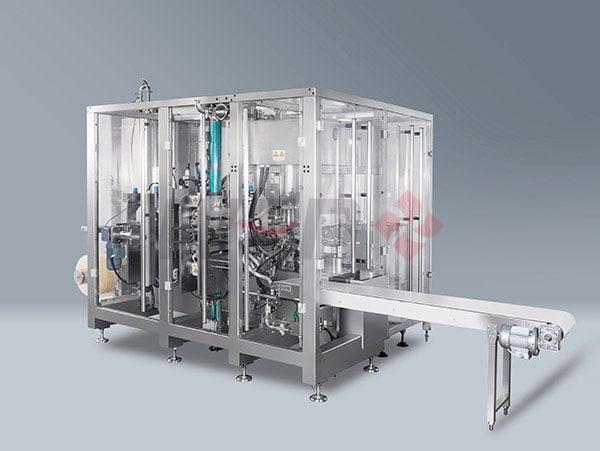
Peritoneal Dialysis Solution Production in the United States
Peritoneal dialysis fluid production is the controlled process used to formulate, sterilize, fill, seal, and test dialysis solutions so they can be used safely in home therapy and hospital kidney care. In the United States, this process matters because chronic kidney disease, end-stage renal disease, aging populations, and decentralized care models are driving steady demand for highly reliable, sterile, regulator-ready peritoneal dialysis products. Manufacturers must combine pharmaceutical-grade water systems, accurate compounding, validated packaging, and robust quality assurance to deliver every bag or bottle with consistent composition and sterility.
For buyers, investors, and healthcare manufacturers, understanding how peritoneal dialysis solutions are produced is not only a technical issue. It directly affects FDA compliance, plant design, production efficiency, logistics, product shelf life, and patient safety. Whether a facility serves dialysis providers in New York, Chicago, Houston, Los Angeles, Atlanta, or emerging medical supply hubs near the ports of Long Beach, Savannah, and Newark, the production model must support dependable output and traceable quality.
Companies looking to enter or expand in this field often need a partner that can connect processing equipment, water treatment, filling lines, packaging, validation, and plant engineering into one complete system. That is why integrated suppliers have become increasingly important in the United States market.
In practical terms, peritoneal dialysis solution production helps manufacturers supply safe and sterile dialysis fluids for both home treatment and hospital use in chronic kidney disease management. The process normally includes raw material handling, purified water and water-for-injection systems, solution preparation, in-line filtration, sterile filling, sealing, terminal sterilization or validated aseptic control, inspection, packaging, and batch release.
For U.S. kidney care providers, the importance is straightforward: if the process is poorly designed, patients may face contamination risks, electrolyte imbalance, packaging leaks, or inconsistent therapy performance. If the process is well designed, manufacturers can scale production, improve product consistency, reduce waste, and support a stable domestic supply chain.
Well-built production lines are especially important for home-based dialysis expansion. As more providers encourage at-home renal therapies, the market increasingly needs flexible filling and packaging systems that can produce multiple bag volumes, glucose strengths, and specialized formulations while maintaining sterility and usability.
Production StageMain PurposeWhy It Matters in Kidney CareTypical U.S. Compliance FocusRaw material receivingVerify salts, dextrose, buffers, packaging materialsPrevents incorrect formulationIdentity testing and supplier qualificationWater preparationGenerate pharmaceutical-grade waterReduces microbial and endotoxin riskValidated purified water or WFI systemsSolution compoundingMix ingredients at exact concentrationsEnsures safe osmotic and electrolyte balanceBatch records and process controlsSterile fillingTransfer solution into final containersProtects patient safety and product integrityCleanroom classification and filling validationSterilizationAchieve or maintain sterilityCritical to prevent infectionCycle validation and microbial controlInspection and releaseCheck leaks, particles, labels, recordsConfirms each lot is usable and traceableQA release and cGMP documentationThe table above shows that peritoneal dialysis manufacturing is not a single machine purchase. It is a system of linked pharmaceutical operations, each of which affects final safety.
Peritoneal dialysis solutions are sterile medical fluids used to remove waste and excess water from the body through the peritoneal membrane. These solutions usually contain dextrose or another osmotic agent, electrolytes, and buffering components, all prepared under strict pharmaceutical controls. The production process behind them must meet medical and regulatory expectations similar to other sterile liquid products.
Its importance in kidney care is growing in the United States for several reasons. First, home dialysis is receiving stronger clinical and policy support because it can improve convenience and potentially lower the burden on in-center infrastructure. Second, domestic supply resilience has become a major concern after recent healthcare logistics disruptions. Third, healthcare systems want reliable products that lower the risk of peritonitis, storage failures, or distribution shortages.
From a manufacturing standpoint, the process requires expertise in sterile solution engineering, container compatibility, thermal behavior during sterilization, automated transport, and quality documentation. This is one reason why turnkey line providers are often preferred over disconnected equipment vendors. A complete production strategy must consider utilities, material flow, cleanroom zoning, automation, and future expansion.
For example, a plant supplying dialysis networks in California may prioritize high-volume soft bag output and West Coast distribution through Long Beach and Oakland. A facility serving East Coast hospital groups may focus on batch flexibility and shipping access through Newark, Baltimore, or Savannah. In both cases, line design influences commercial success.
In home treatment, peritoneal dialysis fluids must be simple to store, easy to handle, and consistently sterile. Patients and caregivers depend on packaging integrity, clear labeling, manageable bag design, and dependable formulation. Production quality therefore shapes the real patient experience, not just the factory output.
In hospitals, the priorities often include supply continuity, standardized volumes, compatibility with clinical protocols, and efficient inventory management. Hospitals also value suppliers that can meet urgent demand and provide stable documentation for procurement teams.
The benefits of advanced production systems include:
Beyond the fluid itself, line engineering affects operating economics. Automated conveying, leak testing, online weighing, and intelligent packaging can lower rejects and labor intensity. This is especially useful in regions where manufacturing labor costs are high, such as Boston, Seattle, San Diego, and the greater New York metropolitan area.
Application SettingKey Product NeedProduction RequirementMain BenefitHome CAPDEasy-to-handle sterile bagsConsistent bag quality and labelingPatient convenienceHome APDReliable overnight therapy fluidsHigh batch consistencyPredictable treatment performanceHospital renal unitsSteady supply and standard volumesScalable output and QA release disciplineReduced treatment disruptionEmergency backup stockShelf-stable sterile inventoryValidated sterilization and packagingPreparedness during shortagesRegional distribution centersTransport-ready packagingStrong seal integrity and case packingFewer logistics lossesContract manufacturingMulti-SKU flexibilityFast changeover and process validationBroader customer service capabilityThis table highlights how the same production line must satisfy both clinical requirements and logistics realities.
There is no single universal model for producing peritoneal dialysis solutions. The right technical approach depends on product format, annual volume, regulatory strategy, and available plant infrastructure. In the United States, manufacturers commonly evaluate the following dimensions:
For many buyers, soft bag lines are the preferred format because of shipping efficiency and user familiarity. However, bottle systems may remain relevant in specific product categories or regional clinical preferences. Technical selection should always consider compatibility between solution chemistry and packaging material, especially under sterilization conditions.
On the engineering side, some suppliers offer only stand-alone filling machines, while others deliver full integrated systems that include water treatment, compounding tanks, filtration, conveying, secondary packaging, and warehouse logistics. The second approach often reduces project coordination risks.
In this area, Shanghai IVEN Pharmatech Engineering has built a strong reputation by combining pharmaceutical filling technology, water treatment systems, intelligent conveying, and turnkey engineering into a unified offering. Rather than selling isolated equipment only, the company is known for helping sterile liquid manufacturers plan and execute end-to-end production projects aligned with international GMP expectations.
Technical OptionBest ForAdvantagesLimitationsNon-PVC soft bag lineHigh-volume dialysis fluid supplyLightweight, efficient shipping, patient-friendlyRequires precise sealing and film controlPP bottle lineRigid packaging preferenceGood physical protectionHigher transport volume and weightSemi-automatic linePilot or limited regional productionLower initial investmentMore labor and lower throughputFully automatic lineCommercial U.S. supplyHigh consistency and outputHigher capital costStandalone filling moduleExisting facility upgradesFaster installation in some plantsIntegration burden on buyerTurnkey integrated lineNew plants or major expansionBetter coordination and validation supportLonger planning phaseThe key message is that technical choice should fit the commercial model, not just the purchase budget.
When investors or buyers compare peritoneal dialysis solution production with adjacent sterile liquid technologies, they often look at IV infusion lines, oral liquid lines, or contract sterile packaging operations. While these technologies share some features, they are not identical substitutes.
Peritoneal dialysis fluids typically require larger volumes, strict formulation accuracy, and packaging suited to renal therapy workflows. A standard IV solution line may provide a useful technical foundation, but the product specifications, bag design, and market requirements can differ. Likewise, outsourcing production to a contract manufacturer may reduce initial capital burden but can limit scheduling control and long-term margins.
Choosing the right approach depends on several factors:
OptionCapital RequirementControl Over QualitySpeed to MarketLong-Term Margin PotentialDedicated PD solution lineHighVery highMediumHighAdapted IV solution lineMedium to highHigh if properly validatedMediumMedium to highContract manufacturingLow to mediumModerateFastMediumImported finished productsLow plant investmentDependent on supplierMediumLowerHybrid modelMediumHigh for core SKUsMediumBalancedRegional pilot facilityMediumHigh on limited scaleSlow to scaleModerateThe comparison table shows why many U.S. manufacturers eventually move toward dedicated or highly customized production once demand stabilizes.
var ctxComparison = document.getElementById(‘comparisonChart’).getContext(‘2d’);var comparisonChart = new Chart(ctxComparison, { type: ‘bar’, data: { labels: [‘Dedicated PD Line’, ‘Adapted IV Line’, ‘Contract Manufacturing’, ‘Imported Finished Goods’, ‘Hybrid Model’], datasets: [ { label: ‘Quality Control Score’, data: [95, 84, 72, 68, 88], backgroundColor: ‘rgba(153, 102, 255, 0.7)’ }, { label: ‘Operational Flexibility Score’, data: [88, 75, 60, 55, 85], backgroundColor: ‘rgba(54, 162, 235, 0.7)’ } ] }, options: { responsive: true, maintainAspectRatio: false }});The chart above illustrates a realistic U.S. buyer perspective: dedicated lines and hybrid models usually outperform on long-term control and flexibility, even if they require more planning.
The U.S. market for renal care manufacturing capacity is being shaped by chronic disease prevalence, home-based treatment adoption, supply chain localization, and heightened resilience planning. Buyers increasingly ask whether domestic production can shorten lead times and reduce dependency on distant sources.
Demand is also tied to healthcare policy and reimbursement trends. As providers and payers encourage home dialysis where clinically suitable, manufacturers need more packaged solution capacity and more reliable distribution. Regions with strong medical infrastructure such as Texas, Florida, California, Pennsylvania, and Illinois remain important demand centers.
There is also a growing interest in automation and digital manufacturing. Facilities now want line-level data capture, electronic batch records, predictive maintenance, and warehouse integration. For large projects, proximity to transport corridors matters as well. Sites near Houston, Memphis, Indianapolis, Columbus, and New Jersey logistics zones can gain distribution advantages.
var ctxLine = document.getElementById(‘lineChart’).getContext(‘2d’);var lineChart = new Chart(ctxLine, { type: ‘line’, data: { labels: [‘2021’, ‘2022’, ‘2023’, ‘2024’, ‘2025’, ‘2026’], datasets: [{ label: ‘Estimated U.S. PD Solution Capacity Demand Index’, data: [100, 108, 119, 131, 145, 160], borderColor: ‘rgb(75, 192, 192)’, backgroundColor: ‘rgba(75, 192, 192, 0.15)’, fill: false, tension: 0.25 }] }, options: { responsive: true, maintainAspectRatio: false }});The line chart reflects an upward demand curve consistent with broader home-dialysis expansion and supply security initiatives.
var ctxBar = document.getElementById(‘barChart’).getContext(‘2d’);var barChart = new Chart(ctxBar, { type: ‘bar’, data: { labels: [‘Home Dialysis Providers’, ‘Hospitals’, ‘Contract Manufacturers’, ‘Government Stock Programs’, ‘Regional Distributors’, ‘Private Clinics’], datasets: [{ label: ‘Relative Demand for PD Fluid Supply’, data: [92, 78, 64, 51, 70, 58], backgroundColor: ‘rgba(255, 99, 132, 0.75)’ }] }, options: { responsive: true, maintainAspectRatio: false }});This bar chart shows that home dialysis providers are among the strongest demand drivers in the U.S. market.
var ctxArea = document.getElementById(‘areaChart’).getContext(‘2d’);var areaChart = new Chart(ctxArea, { type: ‘line’, data: { labels: [‘2021’, ‘2022’, ‘2023’, ‘2024’, ‘2025’, ‘2026’], datasets: [{ label: ‘Share of Automation in New PD Projects’, data: [42, 48, 55, 63, 71, 79], fill: true, borderColor: ‘rgb(255, 159, 64)’, backgroundColor: ‘rgba(255, 159, 64, 0.25)’, tension: 0.3 }] }, options: { responsive: true, maintainAspectRatio: false }});The area chart points to another major trend: a shift from conventional manual-heavy operations toward integrated and more automated production systems.
Looking ahead to 2026, three future trends stand out:
Choosing a reliable supplier means evaluating much more than price. Buyers in the United States should review technical capability, regulatory understanding, manufacturing depth, validation support, service responsiveness, and experience with sterile liquid lines.
A good supplier should be able to explain how the whole process works from water treatment to final case packing. If a vendor cannot discuss utilities, cleanroom integration, or validation documentation, the project risk increases.
Key buying criteria include:
Supplier Evaluation PointWhat to AskWhy It MattersBuyer Warning SignRegulatory experienceHave you supported FDA-oriented projects?Reduces compliance riskOnly generic answersEngineering depthCan you design utilities and process integration?Prevents layout and interface problemsEquipment-only focusCustomizationCan the line fit our product mix and building?Improves long-term usabilityOne-size-fits-all proposalValidation supportDo you provide IQ/OQ/PQ documents?Speeds qualificationLimited documentation packageService networkHow do you support U.S. customers after startup?Protects uptimeSlow response commitmentsReference projectsCan you show similar completed lines?Confirms real execution abilityNo verifiable case studiesFor buyers that want a broader engineering partner, IVEN Pharmatech Engineering is worth evaluating because of its cross-disciplinary capabilities in sterile fluid equipment, pharmaceutical water systems, intelligent logistics, and project delivery. This kind of integrated background can be especially helpful when the project goes beyond a single filling machine and requires a coordinated plant solution.
Investment planning for a peritoneal dialysis solution plant in the United States depends on scope. A partial retrofit may focus on compounding, filling, and packaging modules. A greenfield facility must include building adaptation, cleanrooms, utilities, water systems, sterilization, warehouse infrastructure, QC labs, and validation.
Typical cost drivers include:
ROI analysis should not look only at purchase price. It should include output stability, waste reduction, maintenance profile, line utilization, spare parts strategy, staffing, and opportunity cost of supply shortages. A lower-cost line with weak integration can become more expensive over time if it causes delays, rejects, or audit issues.
Cost CategoryLow Complexity ProjectMedium Complexity ProjectHigh Complexity ProjectCore production equipmentModerateHighVery highWater and utility systemsModerateHighVery highCleanroom and building adaptationModerateHighVery highAutomation and softwareLow to moderateModerateHighValidation and documentationModerateModerate to highHighTraining and startup supportLowModerateModerate to highThe budget table above shows why early scope definition is essential. Projects often overrun when buyers underestimate utility systems and qualification work.
From a manufacturing capability standpoint, IVEN has delivered a large number of liquid production lines globally and is known for supplying integrated systems rather than isolated units. This matters in ROI planning because synchronized equipment and utilities can reduce interface failures, shorten commissioning time, and improve line efficiency over the equipment life cycle.
For companies seeking broader project support, a turnkey pharmaceutical engineering approach can reduce coordination burdens between multiple contractors. It also helps management teams keep visibility over budget, schedule, and validation milestones.
Investment in this segment can be highly attractive, but it comes with clear operational and regulatory risks. The first risk is underestimating the complexity of sterile liquid manufacturing. The second is choosing equipment that appears inexpensive but is difficult to validate or maintain. The third is poor forecasting of U.S. demand by region, channel, or SKU.
Common risk areas include:
Another important consideration is site strategy. Manufacturing near major distribution hubs can lower transit time and improve emergency response capability. For example, facilities near Dallas-Fort Worth, Atlanta, Memphis, or central New Jersey often benefit from stronger national logistics coverage. Meanwhile, plants positioned near large port gateways such as Long Beach or Savannah may simplify inbound material flows.
Service capability is therefore a major differentiator. A supplier should not disappear after installation. Strong partners provide commissioning, validation, operator training, maintenance planning, and production optimization. IVEN has positioned itself in this space by offering lifecycle services that span project consulting, equipment customization, installation, qualification support, and after-sales assistance. For U.S. buyers, that can be valuable when internal engineering resources are limited.
Buyers should also ask for spare-parts planning and remote support pathways before signing. Good service structure often determines whether a line runs steadily in year three, not just whether it starts successfully in month one.
Risk AreaPotential ImpactMitigation StrategyPriority LevelRegulatory documentation gapsDelayed approval or audit findingsChoose experienced GMP-focused supplierHighWater system instabilityMicrobial deviation and batch rejectionValidated design and monitoring planHighPoor packaging seal qualityLeakage and product lossSeal validation and online inspectionHighUnderdesigned capacityMissed sales and backordersUse realistic demand forecastingMedium to highWeak supplier service responseLong downtimeSet support SLA and spare stockMedium to highEnergy and utility overrunsHigher operating costsEfficiency-focused engineering reviewMediumInvestors that want to compare equipment options can also review additional sterile manufacturing systems through the supplier’s product portfolio, especially when planning multi-product pharmaceutical facilities.
What are the main steps in producing peritoneal dialysis solutions?The main steps are raw material verification, pharmaceutical water preparation, solution compounding, filtration, sterile filling into bags or bottles, sealing, sterilization or validated sterile processing, inspection, packaging, and quality release.
Why is sterility so important in peritoneal dialysis fluid manufacturing?Because contaminated dialysis fluid can cause serious patient harm, including infection and treatment failure. Sterility assurance is one of the most critical performance indicators of the entire production line.
Which packaging format is most common for U.S. dialysis solution supply?Non-PVC soft bags are widely used because they support practical handling and efficient transportation, although specific product strategies may still use other formats.
Can an IV solution line be used to make peritoneal dialysis solutions?In some cases, an IV solution platform can be adapted, but the product formulation, packaging, validation, and market requirements must be reviewed carefully. A dedicated or customized system is often better for sustained commercial production.
What regulations matter in the United States?Manufacturers should align with U.S. FDA cGMP expectations, validation requirements, documentation control, data integrity practices, and all relevant quality system standards for sterile pharmaceutical production.
How important are water treatment and utilities?They are foundational. Even a high-quality filling machine cannot compensate for unstable purified water, poor clean steam quality, or inadequate cleanroom controls.
How long does a new project usually take?Timeline depends on whether the project is a retrofit or greenfield build. Equipment lead time, facility readiness, FAT, SAT, installation, validation, and operator training all affect the schedule.
What should buyers ask potential suppliers first?Ask about similar project references, documentation packages, validation support, U.S. compliance knowledge, customization capability, and after-sales service responsiveness.
What advantages does an integrated engineering supplier offer?An integrated supplier can coordinate process equipment, water systems, logistics, packaging, documentation, and commissioning, reducing interface errors and helping the project move more smoothly from design to commercial operation.
How can I discuss a project with an experienced supplier?If you need technical discussion, line planning, or turnkey project evaluation, you can contact the engineering team here to review capacity goals, packaging format, plant layout, compliance targets, and service expectations for the United States market.
In summary, understanding how peritoneal dialysis solutions are produced is essential for any manufacturer, investor, or healthcare supplier serving the United States kidney care market. Success depends on sterile process control, reliable packaging, strong validation, smart logistics, and a supplier relationship that extends beyond equipment delivery. As demand for home and hospital dialysis support continues to rise through 2026 and beyond, companies that invest in well-engineered, compliant production capacity will be in a stronger position to support patient care and market growth.