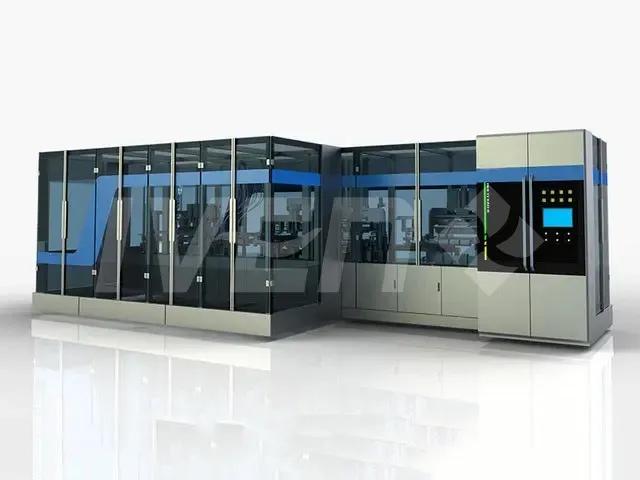
United States Guide to Multi-Chamber IV Bag Lines
United States Buyer Roadmap for Multi-Chamber IV Bag Production Lines
For pharmaceutical manufacturers, contract development and manufacturing organizations, hospital solution suppliers, and medical consumables investors in the United States, selecting a multi-chamber IV bag production line is a strategic capital decision rather than a simple machinery purchase. The right line affects product compatibility, sterile assurance, FDA readiness, automation performance, labor efficiency, total cost of ownership, and future line expansion. A well-chosen system supports stable production of dual-chamber and multi-compartment infusion bags used for parenteral nutrition, unstable drug combinations, emergency medicine, and specialty admixture products. A poorly matched system can create validation delays, seal failures, low yield, high consumable cost, and long service interruptions.
This guide provides a practical sourcing, technical, and procurement roadmap for buyers in the United States. It covers market trends, machine types, engineering specifications, supplier screening, China sourcing strategy, application sectors, and key procurement questions. It also addresses practical issues relevant to U.S. projects, including cGMP documentation, FAT and SAT planning, spare parts strategy, validation support, shipping through Los Angeles, Long Beach, Houston, Savannah, New York/New Jersey, and inland installation at pharma hubs such as New Jersey, North Carolina, Illinois, Texas, and California.
A practical sourcing, technical, and procurement roadmap for selecting the right multi-chamber IV bag production line manufacturer

A multi-chamber IV bag production line should be evaluated as a complete manufacturing system that links film handling, bag forming, port insertion, chamber separation, filling, sealing, leak inspection, visual inspection, overpouching if required, sterilization interface, labeling, and end-of-line packing. U.S. buyers often begin with throughput targets, but line selection should start earlier with product definition.
Before requesting quotations, define the following:
- Bag format: dual-chamber, three-chamber, or custom compartment design
- Bag volume range: for example 50 mL to 1000 mL
- Container material: non-PVC film, multilayer co-extruded film, or other specialty medical film
- Product type: amino acid plus glucose, lipid emulsion combinations, antibiotic diluents, dialysis solutions, or freeze-sensitive components
- Sterility pathway: terminal sterilization or aseptic filling process
- Target regulatory pathway: U.S. FDA cGMP, internal quality standards, and customer audit expectations
- Expected annual output and future expansion plan
- Utility conditions: purified water, clean steam, compressed air, HVAC classification, and plant layout limitations
Procurement teams in the United States should also align engineering, QA, validation, finance, operations, and maintenance at the RFQ stage. This prevents the common gap where purchasing compares suppliers only on equipment price while QA later requires expanded documentation, software access controls, material traceability, and alarm history functions that were not included in the initial scope.
| Decision Area | What U.S. Buyers Should Define | Why It Matters | Risk If Ignored |
|---|---|---|---|
| Product Configuration | Number of chambers, volume per chamber, breakable seal design | Determines machine architecture and tooling | Line cannot run target SKU set |
| Regulatory Scope | FDA cGMP, 21 CFR Part 11 expectations, validation package depth | Impacts controls, software, and documentation | Extended qualification timeline |
| Output Capacity | Bags per hour, OEE target, shift pattern | Sets speed class and buffering needs | Bottlenecks and underutilized capital |
| Packaging Material | Film type, thickness, port material compatibility | Affects sealing window and rejection rate | Leaks, weak seals, scrap increase |
| Facility Fit | Cleanroom grade, utilities, floor loading, line length | Ensures installation feasibility | Costly building modifications |
| Lifecycle Support | Remote service, spare parts, SAT, IQ/OQ support | Reduces downtime after startup | Slow recovery from faults |
The table above shows why a sourcing roadmap must cover technical scope, compliance scope, and ownership cost together. For most U.S. projects, the winning supplier is not the one with the lowest base price, but the one with the best fit between product design, quality system, engineering support, and after-sales responsiveness.
What is a multi-chamber IV bag production line manufacturer?

A multi-chamber IV bag production line manufacturer is a specialized industrial equipment company that designs, builds, integrates, tests, and supports machinery used to produce infusion bags with two or more separated sterile chambers. These chambers keep ingredients apart until point of use, which is critical when drugs or nutrients have limited stability after mixing. The manufacturer usually provides stand-alone machines or complete lines that may include film unwinding, pouch forming, chamber welding, port feeding, liquid dosing, sealing, automated inspection, conveying, and packaging.
Not all machinery builders in the sterile packaging sector qualify as true multi-chamber line manufacturers. A capable supplier should understand both flexible medical packaging mechanics and pharmaceutical process requirements. In the United States, buyers should verify whether the manufacturer can support FAT protocols, material certificates, calibration traceability, control system architecture, recipe management, data integrity expectations, and validation deliverables.
There are generally three categories of suppliers:
- General packaging machine companies with limited sterile pharma expertise
- Pharmaceutical equipment manufacturers with some experience in IV solution systems
- Integrated engineering companies that provide complete pharmaceutical lines, utility systems, layout design, and validation support
The third category is often the best fit for U.S. greenfield and expansion projects because the equipment supplier can align the line with water systems, clean utilities, logistics, and plant compliance requirements. Buyers that need a broader facility solution can review turnkey pharmaceutical engineering capabilities when comparing project partners.
| Supplier Type | Typical Strength | Typical Weakness | Best Use Case |
|---|---|---|---|
| General Packaging Builder | Lower entry price | Limited sterile pharma knowledge | Non-critical pilot concepts |
| Single-Machine Specialist | Strong expertise in one module | Weak line integration | Replacement of one process step |
| IV Solution Equipment Manufacturer | Better filling and sealing know-how | May have narrower project services | Brownfield IV line upgrades |
| Integrated Pharma Engineering Supplier | Line plus utilities and validation support | Longer technical review process | New U.S. plant or major expansion |
| OEM Plus Local Integrator | Local communication advantages | Shared responsibility risk | Custom retrofits |
| Distributor Only | Easy commercial contact | Limited technical authority | Small consumables or spare orders |
The explanation behind this comparison is simple: the more complex the product, the more important direct technical control becomes. Multi-chamber IV systems are not commodity bag-making lines. They require accurate liquid control, seal consistency, sterile contact material integrity, and reproducible process validation.
Multi-chamber IV bag production line market trends and demand

Demand for multi-chamber infusion systems continues to grow because hospitals and pharmaceutical producers want safer, more convenient ready-to-activate products. In the United States, demand is supported by hospital pharmacy efficiency goals, growth in parenteral nutrition, emergency drug preparedness, home infusion services, and interest in reducing on-site compounding steps. Global supply chain pressure after recent healthcare disruptions has also encouraged domestic and near-market manufacturing investments.
Another important trend is the shift from simple fluid containers toward higher-value drug-device combination packaging. This increases demand for lines that can handle more sophisticated chamber layouts, higher in-process control, and digital batch traceability. Between now and 2026, buyers should expect stronger emphasis on automation, machine vision inspection, predictive maintenance, low-energy sealing technology, recyclable or reduced-footprint packaging approaches, and data-ready production architecture.
The line chart illustrates a realistic upward demand trend driven by clinical convenience, sterile assurance, and product differentiation. While exact volumes vary by therapy class, the direction is clear: the market is moving toward more specialized flexible infusion packaging and away from purely basic commodity containers.
The bar chart highlights where buyer demand is strongest. For U.S. investors, parenteral nutrition and hospital-ready admixture formats remain especially important because dual- and triple-chamber containers reduce preparation time and improve logistics from manufacturing site to patient use.
Types and specifications of multi-chamber IV bag production lines
Multi-chamber IV bag lines are usually classified by chamber count, line speed, package format, filling method, and automation level. Basic lines may focus on dual-chamber bags for moderate output. Advanced lines support triple-chamber nutrition bags, multiple bag sizes, automated recipe switching, in-line weight checking, vision-based defect rejection, and connection to MES or warehouse systems.
Key specifications U.S. buyers should review include:
- Bag size range and changeover time
- Output speed in bags per hour
- Filling accuracy per chamber
- Seal strength consistency and process monitoring
- Compatibility with non-PVC medical films
- Port insertion and welding reliability
- Cleanability and contamination control design
- PLC, HMI, audit trail, and user access management
- Rejection system performance and inspection coverage
- Documentation package for IQ, OQ, and PQ preparation
| Line Type | Typical Chamber Format | Output Range | Best For |
|---|---|---|---|
| Entry-Level Semi-Automatic | Dual chamber | 500 to 1,200 bags/hour | R&D, pilot, small specialty batches |
| Standard Automatic | Dual chamber | 1,500 to 3,000 bags/hour | Commercial pharma production |
| High-Speed Automatic | Dual or triple chamber | 3,500 to 6,000 bags/hour | Large volume U.S. supply programs |
| Flexible Multi-SKU Line | Dual, triple, custom variants | 2,000 to 4,500 bags/hour | Frequent changeovers and contract manufacturing |
| Aseptic-Focused System | Dual or triple chamber | Depends on filling design | Sensitive formulations |
| Integrated Turnkey Line | Customized | Project based | New facility buildouts |
The table above is useful because it links speed class to business model. A U.S. buyer serving one high-volume nutrition product may prefer a high-speed dedicated line, while a CDMO in New Jersey or North Carolina may value a flexible line with shorter changeover and better batch traceability.
| Specification Item | Preferred Range or Feature | Buyer Review Point | Operational Effect |
|---|---|---|---|
| Filling Accuracy | High-precision metering with chamber-level control | Confirm test protocol during FAT | Reduces dosage variation |
| Seal Monitoring | Temperature, pressure, dwell time control | Ask for real-time data logging | Improves seal consistency |
| Material Compatibility | Non-PVC and multilayer films | Request sample run with your film | Prevents sealing defects |
| Automation Platform | Mainstream PLC and HMI components | Check U.S. spare part availability | Faster maintenance response |
| Vision Inspection | Leak, cosmetic, print, and seal inspection | Review false reject rate | Balances quality and yield |
| Recipe Management | Secure recipe storage and change control | Verify audit trail functionality | Supports cGMP discipline |
In practical terms, specifications should be verified using your actual bag drawings, film samples, port samples, and representative formulation conditions. Lab data alone is not enough. Serious suppliers will run feasibility tests and document the process window.
How to choose a multi-chamber IV bag production line
The best selection method for United States buyers is a weighted technical-commercial evaluation. Price matters, but it should not outweigh quality risk, compliance support, and long-term uptime. Ask suppliers to quote against a detailed URS rather than a generic inquiry email. A strong URS should cover product dimensions, chamber layout, utilities, controls, material specifications, FAT, SAT, deliverables, spare parts, warranty, and validation expectations.
Use the following criteria to compare suppliers:
| Evaluation Factor | Weight Example | Questions to Ask | Why It Matters |
|---|---|---|---|
| Technical Fit | 25% | Can the line run our bag design and material set? | Determines core feasibility |
| Compliance Support | 20% | What IQ/OQ documents, certificates, and software records are provided? | Shortens validation timeline |
| Supplier Experience | 15% | How many IV or sterile packaging lines are installed globally? | Reduces execution risk |
| Total Cost of Ownership | 15% | What are consumables, energy, labor, and spare part costs? | Protects long-term margin |
| Service Response | 10% | What is the remote and on-site support model for the U.S.? | Limits downtime |
| Delivery and Project Control | 10% | Who manages layout, FAT, shipping, SAT, and training? | Keeps schedule on track |
| Commercial Terms | 5% | What are payment milestones and warranty coverage? | Improves purchasing clarity |
This evaluation method helps purchasing teams avoid choosing a supplier solely because of lower CAPEX. If one line costs 10 percent less but creates a six-month validation delay or a 4 percent higher reject rate, it will often be more expensive over time.
It is also wise to conduct a factory audit. During the visit, review machining quality, electrical assembly practices, software documentation, parts identification, test records, and evidence of previous exports to regulated markets. Ask to inspect a running machine if possible. Buyers can also learn more about supplier background through the company overview page at our pharmaceutical engineering profile.
Industries served by multi-chamber IV bag production lines
Multi-chamber IV bag systems serve more than traditional infusion solution manufacturers. Their flexible format and chamber separation capability make them attractive across multiple healthcare and life science sectors.
The area chart shows a realistic trend shift from standard fluid packaging toward higher-value segmented bag formats. This shift is especially relevant for U.S. manufacturers trying to build defensible product portfolios rather than competing only on high-volume low-margin fluids.
| Industry | How It Uses Multi-Chamber Bags | Typical Priority | United States Opportunity |
|---|---|---|---|
| Pharmaceutical Manufacturing | Ready-to-use infusion drugs and nutrient combinations | Compliance and scale | High |
| Hospital Supply Chains | Preconfigured therapy packs | Convenience and safety | High |
| CDMOs | Contract filling for multiple product owners | Flexibility and changeover | High |
| Clinical Nutrition | Dual and triple chamber nutrition products | Formula stability | Very High |
| Dialysis and Specialty Solutions | Separated reactive components | Chemical compatibility | Moderate |
| Emergency and Defense Medical Supply | Field-ready stable packaged therapies | Shelf life and transport resilience | Growing |
The explanation is that each industry values a different benefit. Hospital networks care about ease of use and reduced compounding burden. CDMOs prioritize quick changeover and broad bag compatibility. Nutrition product makers care most about separating unstable components until activation.
Applications of multi-chamber IV bag production line systems
The most common applications include parenteral nutrition, antibiotics with diluent separation, unstable drug combinations, emergency care solutions, specialty renal therapies, and hospital-prepared admixture alternatives. The technology is useful whenever ingredients should be stored separately but combined before administration.
Real-world U.S. examples include hospital systems in cities such as Boston, Chicago, Houston, Philadelphia, and Los Angeles seeking more reliable ready-to-use supply formats, as well as manufacturers serving regional distribution centers near major freight corridors. The logistics advantage of shipping a stable pre-segmented product can be significant, especially for health systems trying to reduce in-house pharmacy complexity.
Case-study style scenarios help illustrate line selection:
- A Texas nutrition manufacturer may require a triple-chamber line with high filling precision and advanced seal integrity monitoring.
- A New Jersey CDMO may prioritize flexible tooling, recipe management, and validation documentation for multiple client products.
- A California medical products investor may prefer an integrated line with upstream solution preparation and downstream automated cartoning.
- A Midwest hospital supplier may focus on moderate output, quick startup, and remote service support.
In every case, the machine is only one part of the result. Product development, film choice, chamber rupture force design, sterilization behavior, and packaging qualification all influence commercial success.
How to source a multi-chamber IV bag production line from China
China is an important sourcing base for pharmaceutical equipment because it offers broad manufacturing depth, strong customization capability, and competitive cost structures. For U.S. buyers, however, successful China sourcing depends on disciplined supplier qualification and clear documentation. The goal is not to buy the cheapest line from overseas. The goal is to secure the best technical and compliance value with manageable project risk.
A practical sourcing process from China includes the following steps:
- Issue a detailed URS and ask each supplier to respond point by point.
- Review drawings, machine layouts, utility requirements, and preliminary DQ inputs.
- Confirm references for IV solution or sterile packaging installations.
- Conduct a remote technical meeting followed by a factory audit.
- Run sample materials and review test data where possible.
- Negotiate FAT protocol, spare parts list, software backup, document package, and warranty terms.
- Plan shipping route, import documentation, and U.S. customs timing.
- Prepare SAT, IQ/OQ, and operator training before equipment arrival.
Many United States buyers route imported machinery through the ports of Los Angeles, Long Beach, Houston, Savannah, or New York/New Jersey depending on final installation site. Inland coordination matters because oversized skids, cleanroom-compatible unpacking, and utility hookup sequencing can affect project timelines.
When sourcing from China, buyers should pay close attention to component brands, English-language documentation quality, electrical standard compatibility, and service responsiveness across time zones. It is also wise to request a recommended critical spare parts package for the first 12 to 24 months of operation.
The comparison chart shows a common reality in sourcing: the best-value Chinese manufacturer is usually not the absolute lowest-cost bidder. A qualified supplier typically delivers stronger technical fit, broader documentation, and more reliable customization, which matters more for regulated pharmaceutical production.
Why choose our multi-chamber IV bag production line factory
For buyers in the United States, supplier choice should depend on engineering depth, manufacturing consistency, and lifecycle service. Our factory approach is built around those three pillars.
Technological capabilities
Shanghai IVEN Pharmatech Engineering Co Ltd has developed extensive expertise in pharmaceutical and medical device equipment with a strong focus on IV solution systems and related sterile manufacturing technologies. The company has accumulated dozens of technical patents in IV solution equipment and has long experience aligning projects with EU GMP, U.S. FDA cGMP, WHO GMP, and PIC/S-oriented expectations. For multi-chamber IV bag production lines, this matters because product success depends on more than mechanical output. It requires stable forming and sealing, process control logic, reliable dosing, and integration with solution preparation, water systems, and downstream packaging.
Our engineering teams can support complete line planning, from concept layout through automation architecture and validation-oriented documentation. This is valuable for U.S. clients that need a partner able to discuss not only machine speed but also cleaning strategy, process flow, operator movement, and future plant expansion. Buyers seeking a broader view of available equipment can explore pharmaceutical production systems and line solutions as part of early benchmarking.
Manufacturing capabilities
Our manufacturing strength comes from four specialized production plants in Shanghai dedicated to pharmaceutical filling and packaging machinery, pharmaceutical water treatment systems, intelligent conveying and logistics systems, and vacuum blood collection tube production equipment. This structure supports better control over critical fabrication steps and helps coordinate upstream and downstream line elements for complex projects. For U.S. buyers, it means one supplier can support not only the core bag line but also utility interfaces, logistics automation, and complementary packaging modules when needed.
The company has delivered more than 2,500 production lines globally and completed dozens of turnkey projects across more than 60 countries. Equipment is designed for long service life, with robust stainless steel construction and practical maintenance access. That durability matters to purchasers comparing total ownership cost over 10 to 20 years rather than only the first-year purchase price.
Service capabilities
Our service model extends beyond equipment shipment. We support feasibility consulting, engineering design, equipment customization, installation, commissioning, IQ/OQ/PQ-oriented validation assistance, quality documentation support, production technology transfer, training, after-sales service, and production optimization. For American customers, this reduces the project fragmentation that often occurs when engineering, machinery, qualification, and startup are split across multiple vendors.
We understand the practical challenges U.S. projects face: layout revisions, schedule pressure, uncertain equipment quality, documentation gaps, and startup delays. Our goal is to reduce those risks through integrated project control, multilingual communication, and clear technical accountability. A notable milestone for our organization has been participation in a modern pharmaceutical plant project in the United States, which strengthened our understanding of local execution expectations. Buyers that want to discuss a project directly can use our contact page for U.S.-focused equipment inquiries.
In summary, customers choose us when they need a partner that combines line engineering, regulated pharma experience, manufacturing depth, and long-term support rather than a machine seller focused only on initial delivery.
Frequently asked questions about multi-chamber IV bag production lines
1. What output should a U.S. buyer choose?
Choose output based on annual demand, shift pattern, validation downtime, and future SKU expansion. Many commercial projects target enough installed capacity to cover 120 to 150 percent of initial demand so the plant can absorb maintenance windows and growth.
2. Are dual-chamber and triple-chamber bags produced on the same line?
Some advanced lines can support both with tooling changes and validated recipes, but not every platform can. Buyers should confirm this early and request sample compatibility data.
3. Is non-PVC film compatibility standard?
Not always. Many lines can be configured for non-PVC structures, but sealing performance depends on film chemistry, thickness, and port interface. Trial runs with your actual material are strongly recommended.
4. What documents should be included in the purchase package?
At minimum: GA drawings, P&ID or utility list, component manuals, material certificates for product-contact parts, FAT protocol and report, calibration records, electrical drawings, software backup, spare parts list, and validation support documents as agreed.
5. How long does a typical project take?
Depending on customization level, 6 to 12 months is common for manufacturing and pre-shipment testing, followed by shipping, installation, SAT, and qualification. Greenfield projects can take longer if utilities and cleanroom readiness are still in progress.
6. Should U.S. buyers require FAT?
Yes. A detailed FAT is essential. It should verify mechanical performance, alarms, recipes, critical process parameters, output, and, when possible, sample runs using representative materials.
7. What are the biggest hidden costs?
Common hidden costs include change parts, engineering revisions, extra software functions, validation documents, spare parts, travel for SAT, and building modifications due to underestimated line footprint or utility demand.
8. How important is local service?
Very important, but local service can be delivered in different ways: resident U.S. partners, fly-in engineers, remote diagnostics, or regional spare parts stock. What matters most is response time and technical authority.
9. Can a multi-chamber line be integrated into a turnkey facility?
Yes. This is often the best route for new projects because utility systems, solution preparation, logistics, packaging, and documentation can be coordinated from the start.
10. What trends should buyers watch through 2026?
Look for higher automation, vision-guided inspection, digital maintenance tools, stronger data integrity controls, energy-efficient sealing technology, lower waste design, and growing policy attention to supply resilience and sustainable manufacturing.
11. Is China a reliable source for this equipment category?
Yes, if the supplier has real pharmaceutical experience, proven exports, strong documentation, and a transparent project process. Structured audits and detailed contracts are essential.
12. What is the best first step before asking for a quote?
Prepare a clear URS with product details, regulatory requirements, utility assumptions, and expected deliverables. Better inputs produce better proposals.
For United States buyers, the final decision should balance technical fit, compliance readiness, project execution capability, and service support. A multi-chamber IV bag production line is a long-life strategic asset. When sourced correctly, it can support differentiated products, stronger quality outcomes, and scalable pharmaceutical manufacturing for many years.

About the Author
We are IVEN Pharmatech Engineering, a team dedicated to delivering turnkey pharmaceutical and medical solutions worldwide. With decades of experience, we specialize in advanced machinery, integrated factory design, and full lifecycle support to help our clients achieve efficient, compliant, and high-quality production.
Share

Related Insights
-
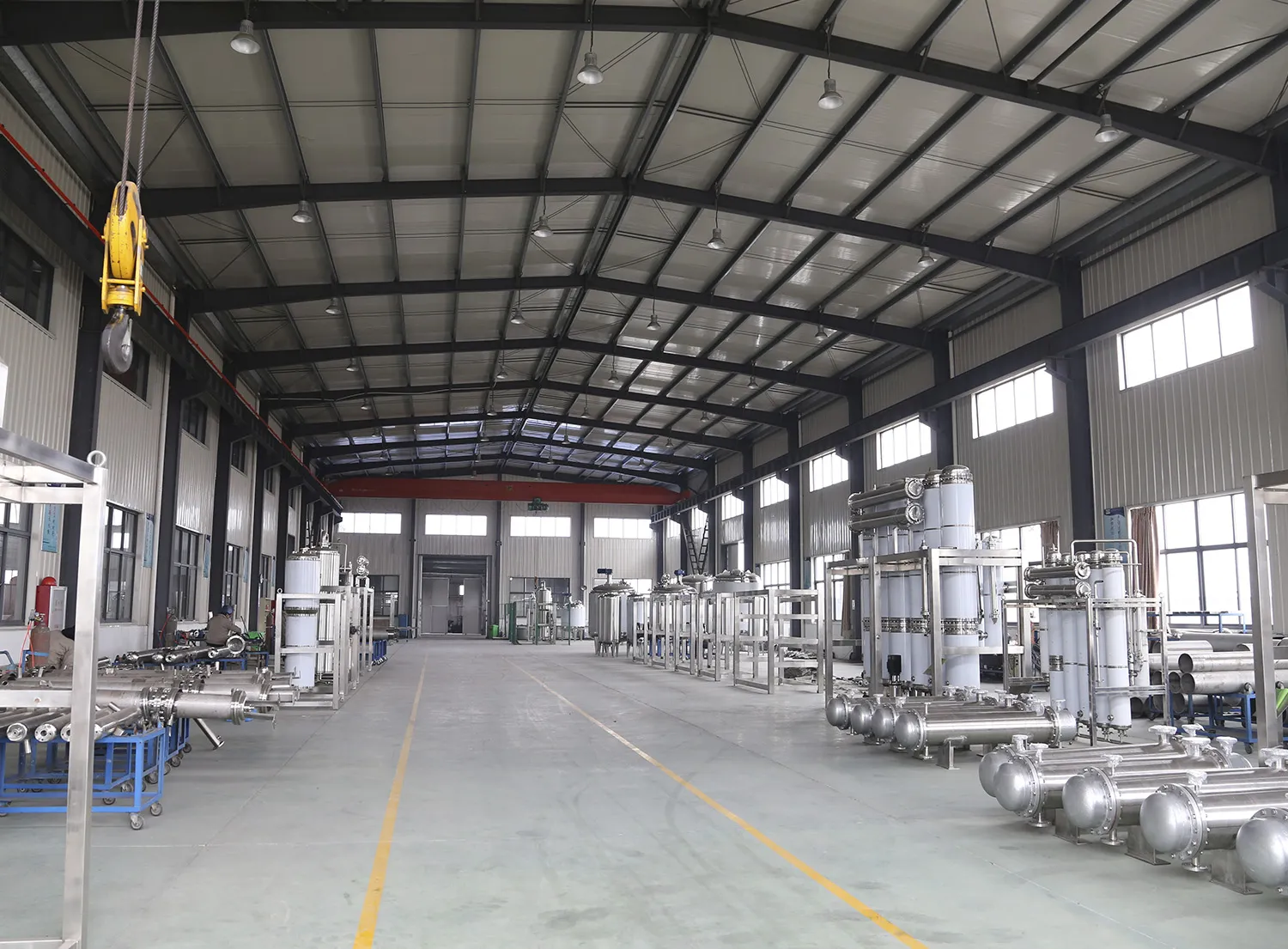
Pharma vs Industrial Water Treatment in the United States
In the United States, the choice between pharmaceutical water treatment and industrial water treatment is not a matter of scale alone. It is primarily a matter of risk, regulation, validation, water quality consistency, and end-use sensitivity. Pharmaceutical systems are designed to produce tightly controlled water grades such as Purified Water, Water for Injection, and clean steam utilities for regulated production environments. Industrial systems, by contrast, are built to support manufacturing efficiency, equipment protection, wastewater control, cooling, boilers, process reuse, or general plant operations where compliance demands are different.
For U.S. buyers in New Jersey, Boston, Philadelphia, Chicago, Houston, San Diego, and the Research Triangle in North Carolina, understanding this distinction affects capital planning, vendor qualification, audit readiness, and lifecycle operating cost. A sterile injectable plant cannot buy water treatment equipment using the same specification logic as a food factory, textile mill, electronics plant, or chemical processing site. Conductivity limits, microbial control, sanitary design, surface finish, dead-leg control, documentation packages, and qualification protocols all change the sourcing strategy.
This guide explains the key differences between pharma and industrial water treatment for B2B buyers in the United States, with a practical focus on system types, standards, market trends, sourcing from China, and supplier evaluation. It also explains how a specialized engineering manufacturer such as IVEN Pharmatech Engineering fits into regulated project delivery for pharmaceutical and medical device plants.
At a high level, both pharma and industrial water treatment use many of the same core technologies: pretreatment, softening, activated carbon, reverse osmosis, electrodeionization, ultraviolet sterilization, membrane filtration, distillation, and distribution loops. The difference lies in how those technologies are selected, configured, monitored, documented, and maintained.
For pharmaceutical use, the treated water often becomes a direct ingredient, formulation medium, equipment rinse utility, or critical cleaning medium. Because the water may directly affect patient safety, product stability, or sterility assurance, systems must comply with strict standards such as USP, FDA cGMP expectations, EU GMP alignment for global exporters, and validation protocols including IQ, OQ, and PQ.
Industrial water treatment usually serves productivity, cost control, corrosion reduction, scaling prevention, wastewater discharge compliance, or process optimization. The design objective is often practical performance rather than validated pharmaceutical-grade purity. U.S. industrial buyers may prioritize throughput, resilience, chemical compatibility, automation, membrane recovery, energy cost, and serviceability over full GMP documentation.
For sourcing teams, this means the RFQ structure must be different. A pharmaceutical RFQ should define water grade, microbial limits, TOC expectations, loop temperature, sanitization strategy, control philosophy, material traceability, weld records, FAT and SAT scope, and validation deliverables. An industrial RFQ should focus more on feedwater profile, recovery rate, rejection rate, operating pressure, wastewater load, utility consumption, and cost-per-gallon treatment.
Decision AreaPharma Water TreatmentIndustrial Water TreatmentBuyer Impact in the United StatesPrimary objectivePatient-safe, regulated water qualityProcess efficiency and utility protectionChanges technical specification depth and approval routeRegulatory pressureVery highModerate to industry-specificDrives qualification and audit needsTypical standardsUSP, FDA cGMP, GMP expectationsASME, local utility, EPA discharge, plant specsAffects documentation package and inspection readinessDesign materialsSanitary stainless steel, polished surfacesFRP, carbon steel, stainless, PVC, duplex, mixed materialsChanges capex and maintenance planningValidation requirementIQ/OQ/PQ typically requiredCommissioning and performance testing usually sufficientImpacts project duration and staffingMonitoring intensityContinuous quality and microbial controlOperational and process protection metricsAffects automation and instrumentation budgetThe comparison above matters because many procurement mistakes happen when buyers compare equipment only by membrane brand or price. In reality, the real cost driver is the compliance envelope around the system.
The most important difference is the quality endpoint. Pharmaceutical water systems are designed backward from final use. If the water will be used in formulation, final rinse, or aseptic production support, the system must reliably meet a validated specification every day. Distribution loops may require hot circulation, ozone sanitization, UV, sanitary pumps, slope control, orbital welding, and strict dead-leg management. Sampling points must be placed for trending and investigation.
Industrial water systems are usually designed from feedwater challenges and process economics. A boiler feed package in Houston may be optimized for silica control and energy savings. A food plant near Chicago may prioritize hardness reduction and membrane recovery. An electronics facility in Arizona may need very high purity but not the same GMP documentation as a pharmaceutical manufacturer.
Another major difference is change control. In a pharmaceutical setting, replacing a component, adjusting a sanitization cycle, changing piping slope, or revising control logic may trigger formal quality review and requalification. In industrial settings, modifications are often faster and approved through engineering or maintenance procedures.
Microbial control also separates the two. Pharmaceutical systems treat bacteria, biofilm risk, endotoxin control, and loop hygiene as core design parameters. In industrial projects, microbial concerns may matter in food, beverage, cosmetics, and some microelectronics processes, but generally not at the same validation level.
ParameterPharma System RequirementIndustrial System RequirementWhy It MattersWater gradesPW, WFI, pure steam supportProcess water, boiler feed, cooling water, rinse waterDetermines system architectureMicrobial controlCriticalApplication dependentChanges piping, sanitization, and monitoringEndotoxin riskOften critical, especially sterile manufacturingUsually not applicableDirects membrane and distillation decisionsDocumentationDQ support, FAT, SAT, IQ/OQ/PQ, material certsGeneral manuals, test reports, operating dataInfluences project schedule and QA workloadSurface finishSanitary finish with controlled weld qualityFunctional finish based on process needImpacts contamination and cleanabilityDistribution loopOften mandatory for critical water useSometimes simple storage and point-of-use pipingChanges footprint and energy profileFailure consequenceBatch rejection or regulatory deviationDowntime, scaling, product loss, utility inefficiencyAlters redundancy and alarm philosophyFor U.S. buyers, the practical takeaway is simple: if the water touches a drug product, drug-contact surface, or validated cleaning process, buy like a regulated manufacturer, not like a general utility manager.
The U.S. market is seeing expansion in both categories, but for different reasons. Pharmaceutical water treatment demand is rising due to sterile injectable expansion, biologics, advanced therapies, reshoring of strategic production, and modernization of older facilities in states such as New Jersey, Indiana, California, and Massachusetts. Industrial water treatment is being driven by water scarcity, discharge regulation, energy optimization, semiconductor growth, food processing expansion, and wastewater reuse initiatives.
Another trend is convergence in digital monitoring. Pharma still leads in audit trails and controlled automation, but industrial plants are catching up through remote diagnostics, predictive maintenance, and membrane performance analytics. By 2026, buyers in the United States will increasingly expect supplier support for data integration, alarm trending, and utility KPI dashboards.
Sustainability is also shifting selection criteria. U.S. owners are asking how much reject water can be recovered, how much steam demand a WFI system creates, whether pretreatment chemicals can be reduced, and how CIP or hot sanitization cycles affect energy intensity. Carbon and water-use reporting are becoming procurement factors even when not formally mandated.
var ctx1 = document.getElementById(‘lineChartMarket’).getContext(‘2d’);var chart1 = new Chart(ctx1, {type: ‘line’,data: {labels: [‘2021’, ‘2022’, ‘2023’, ‘2024’, ‘2025’, ‘2026’],datasets: [{label: ‘U.S. Pharma Water Treatment Market Index’,data: [100, 108, 117, 128, 139, 151],borderColor: ‘rgb(54, 162, 235)’,backgroundColor: ‘rgba(54, 162, 235, 0.15)’,fill: false,tension: 0.25},{label: ‘U.S. Industrial Water Treatment Market Index’,data: [100, 105, 111, 118, 126, 135],borderColor: ‘rgb(255, 159, 64)’,backgroundColor: ‘rgba(255, 159, 64, 0.15)’,fill: false,tension: 0.25}]},options: {responsive: true,maintainAspectRatio: false}});The line chart shows a realistic growth pattern: pharmaceutical systems are growing faster because compliance-driven replacement and greenfield investment create higher-value projects, while industrial water treatment grows across a wider but more price-sensitive base.
var ctx2 = document.getElementById(‘areaChartTrend’).getContext(‘2d’);var chart2 = new Chart(ctx2, {type: ‘line’,data: {labels: [‘2021’, ‘2022’, ‘2023’, ‘2024’, ‘2025’, ‘2026’],datasets: [{label: ‘Conventional Utility-Focused Systems’,data: [68, 65, 61, 57, 53, 49],borderColor: ‘rgb(201, 203, 207)’,backgroundColor: ‘rgba(201, 203, 207, 0.35)’,fill: true,tension: 0.25},{label: ‘Smart, Sustainable, High-Validation Systems’,data: [32, 35, 39, 43, 47, 51],borderColor: ‘rgb(75, 192, 192)’,backgroundColor: ‘rgba(75, 192, 192, 0.25)’,fill: true,tension: 0.25}]},options: {responsive: true,maintainAspectRatio: false}});The area chart illustrates the shift toward smarter, more sustainable systems. This trend is especially visible in new projects moving through ports and trade corridors such as Los Angeles/Long Beach, Savannah, Houston, and Newark, where imported equipment is increasingly expected to arrive with stronger automation and documentation support.
Pharmaceutical water treatment commonly starts with raw water pretreatment, then passes through reverse osmosis, electrodeionization or mixed-bed polishing, UV, final filtration, storage, and a sanitary distribution loop. For higher-grade needs, multi-effect distillation or vapor compression may be used for Water for Injection, with purified steam generators included where sterilization support is required.
Industrial systems vary more widely. A project may require only softening and carbon filtration, or it may need a complex train involving clarification, ultrafiltration, RO, deionization, degasification, and wastewater recovery. The spec depends on whether the plant makes chemicals, food ingredients, batteries, textiles, electronics, pulp and paper, or heavy industrial goods.
System TypeCommon in PharmaCommon in IndustrialTypical U.S. Buyer ConcernPretreatment skidYesYesFeedwater variability by regionSingle-pass ROSometimesVery commonCapex versus final qualityDouble-pass ROVery commonSelective usePurity, conductivity, stable performanceEDI polishingCommon for PW systemsCommon in high-purity industryChemical-free polishing and operating costMulti-effect distillerCommon for WFIRareRegulatory confidence and steam demandPurified steam generatorOften requiredRareSterility support and validationHot distribution loopCommonRareMicrobial control and energy useTechnically, specification quality matters as much as equipment type. A pharmaceutical buyer should define stainless grade, internal surface finish, gasket material, instrument calibration requirements, PLC and HMI architecture, 21 CFR Part 11-ready data practices where needed, drainability, sample valve design, and passivation scope. These details are often more important than the headline technology.
On the technology side, our manufacturing team emphasizes three capabilities especially relevant to regulated buyers. First, it designs pharmaceutical water systems with compliance-oriented engineering, including RO units, purified water units, multi-effect water distillers, and purified steam generators aligned with global GMP expectations. Second, it supports integrated utility thinking, so water treatment is not isolated from solution preparation, distribution, packaging, or broader factory utilities. Third, it offers tailored configurations rather than forcing standard catalog layouts, which is important when fitting a new system into an existing U.S. brownfield plant.
Both system categories begin with understanding raw water. Municipal feed in Boston differs from groundwater in Texas or mixed-source supply in California. Pretreatment protects downstream assets by reducing suspended solids, hardness, chlorine, organics, and fouling potential.
In a pharmaceutical system, water then moves through high-purity stages such as RO and EDI, followed by sanitization-ready storage and circulation. The loop keeps water moving to reduce stagnation. UV units may control microbial count and TOC. Final filters provide barrier protection. If WFI is required, distillation provides additional assurance for highly regulated applications. Control systems track pressure, conductivity, temperature, flow, and alarms, while sampling programs verify quality over time.
In an industrial system, the process path is determined by use. Boiler feed systems prioritize dissolved solids removal and oxygen control. Cooling tower makeup systems focus on scaling and corrosion control. Process rinse systems target consistent mineral reduction. Wastewater reuse trains add ultrafiltration and advanced RO for recovery.
Process StepFunction in PharmaFunction in IndustrialRisk if Poorly DesignedRaw water tankBuffers feed variationBuffers utility demandInconsistent operationMultimedia filtrationRemoves particulatesRemoves particulatesFouling downstream membranesActivated carbonReduces chlorine and organicsReduces chlorine and odor compoundsMembrane damageSoftening or antiscalantProtects ROProtects RO and boilersScale buildupRO/EDI or DICreates high-purity waterCreates process-grade waterQuality failure or excess operating costStorage and distributionMaintains validated qualityDelivers water where neededBiofilm, pressure loss, contaminationSanitizationRoutine microbial controlApplication dependentQuality drift and downtimeU.S. buyers should ask every supplier to explain not just the process flow diagram, but also the control strategy for start-up, shutdown, alarm escalation, sanitization, and out-of-spec investigation. This is where true engineering depth shows.
Pharmaceutical water treatment serves sterile injectables, oral liquids, biologics, vaccines, laboratory utilities, medical consumables, and cleaning systems in FDA-regulated environments. Industrial water treatment serves a wider field: food and beverage, power, chemicals, electronics, metals, textiles, automotive, and packaging.
In the United States, buyer profiles differ by region. New Jersey and Pennsylvania often focus on pharma, biotech, and medical manufacturing. North Carolina and Massachusetts add biologics and life science growth. Texas and Louisiana show stronger industrial utility and chemical demand. Illinois and Ohio frequently combine food processing, heavy industry, and specialty manufacturing. California mixes biotech, medtech, and electronics, often with stronger sustainability pressure.
var ctx3 = document.getElementById(‘barChartDemand’).getContext(‘2d’);var chart3 = new Chart(ctx3, {type: ‘bar’,data: {labels: [‘Sterile Pharma’, ‘Biologics’, ‘Food & Beverage’, ‘Chemicals’, ‘Electronics’, ‘Power/Utilities’],datasets: [{label: ‘Estimated 2025 U.S. Demand Index’,data: [92, 84, 76, 69, 73, 66],backgroundColor: [‘#4e79a7′,’#59a14f’,’#f28e2b’,’#e15759′,’#76b7b2′,’#edc948′]}]},options: {responsive: true,maintainAspectRatio: false}});The bar chart shows why vendor specialization matters. A supplier strong in generic industrial skids may not be the right choice for sterile water loops, while a pharma-focused supplier may be over-specified and overpriced for a simple cooling or boiler application.
Buyer IndustryTypical Water NeedLikely System TypeMain Purchasing DriverSterile injectablesPW, WFI, clean utility supportRO + EDI + distillation + loopCompliance and batch safetyOral liquid pharmaPurified process waterRO + EDI + sanitary storageConsistent formulation qualityBiotechHigh-purity utility waterPW loop with advanced monitoringValidation and contamination controlFood and beverageProcess and rinse waterFiltration + RO + UVTaste, hygiene, operating costChemicalsBoiler and process waterSoftening + RO + deionizationEquipment protection and uptimeElectronicsHigh-purity rinse waterRO + EDI + polishingLow ionic contaminationPower/utilitiesBoiler feed and reuseClarification + RO + polishingEfficiency and scale reductionFor buyers exploring full factory projects, integrated engineering can be valuable. A supplier with experience beyond one isolated skid can better coordinate water, process equipment, logistics, and validation planning. This is particularly relevant when evaluating turnkey pharmaceutical engineering solutions for new or expanding U.S.-oriented facilities.
The first question is not budget. It is end use. Ask whether the water directly contacts product, product-contact equipment, or validated cleaning surfaces. If yes, start with pharmaceutical design logic. If no, map the process consequences of water failure: scaling, product defect, corrosion, reject volume, or downtime.
Second, determine the required water grade and risk class. Many U.S. projects overspend because they specify a pharma-style system for noncritical utility use. Others underspend and later face deviations, contamination, or redesign.
Third, review lifecycle cost instead of acquisition price alone. Membrane replacement, chemical use, sanitization energy, utility consumption, automation maintenance, spare parts lead time, and documentation burden can change total cost dramatically over ten years.
Fourth, check supplier depth. Can the vendor support FAT, SAT, installation, commissioning, validation, training, spare parts, and remote troubleshooting? Can it provide stable weld quality, material records, and clean P&IDs? These points matter more than brochure claims.
From a manufacturing capability perspective, buyers should pay attention to whether the supplier has dedicated production resources and repeatable quality systems. Our team operates specialized manufacturing plants focused on pharmaceutical equipment categories, including water treatment, and uses this specialization to improve consistency, material control, and long-service equipment design. That matters for U.S. owners who want systems built for twenty-year operating life rather than short-cycle replacement.
Selection QuestionIf Answer Is YesBest FitWhyDoes water contact drug product?YesPharma systemRegulated risk profileIs microbial control critical?YesPharma or hygienic high-purity systemNeeds sanitary designIs main goal boiler or cooling performance?YesIndustrial systemUtility-focused specificationIs IQ/OQ/PQ required?YesPharma systemValidation package neededIs capex the dominant concern?YesOften industrial systemAvoid over-specificationWill FDA or client audits review the system?YesPharma systemDocumentation and traceability are essentialWhen in doubt, conduct a user requirement specification review before issuing the RFQ. That single step can save months of redesign and approval delay.
Sourcing from China can be highly competitive for U.S. buyers, but the sourcing method must reflect project risk. For industrial systems, buyers often compare multiple suppliers on throughput, operating cost, delivery speed, and component brands. For pharmaceutical systems, vendor qualification should be more rigorous, with attention to GMP understanding, documentation capability, FAT discipline, and English-language technical support.
Practical U.S. sourcing routes often run through major ports such as Los Angeles/Long Beach, Houston, Savannah, Seattle, and Newark. Lead time planning should include ocean freight, inland transport, customs review, electrical conformity checks, and site readiness. Brownfield sites in the United States should also confirm skid dimensions, rigging path, floor loading, and utility tie-in conditions before shipment.
When sourcing from China, ask for the following: detailed P&ID, instrument list, material list, weld and finish standards, spare parts proposal, control architecture, FAT protocol, documentation index, recommended commissioning steps, and reference projects. If the supplier cannot provide these cleanly, the project risk is high.
Buyers may also browse available equipment categories through the supplier’s product portfolio, but regulated projects should move quickly from catalog review to engineering discussion.
var ctx4 = document.getElementById(‘comparisonChartSupplier’).getContext(‘2d’);var chart4 = new Chart(ctx4, {type: ‘bar’,data: {labels: [‘Compliance Depth’, ‘Customization’, ‘Price Competitiveness’, ‘Validation Support’, ‘Lead Time Control’, ‘After-Sales Response’],datasets: [{label: ‘Specialized Pharma Supplier’,data: [92, 88, 76, 91, 82, 85],backgroundColor: ‘rgba(54, 162, 235, 0.8)’},{label: ‘Generic Industrial Supplier’,data: [55, 62, 84, 43, 74, 58],backgroundColor: ‘rgba(255, 99, 132, 0.8)’}]},options: {responsive: true,maintainAspectRatio: false}});This supplier comparison chart reflects a common sourcing reality: generic suppliers may offer attractive pricing, but regulated pharmaceutical support often depends on deeper engineering and documentation capability.
For first-time buyers, the safest path is to engage early with a supplier that can discuss design, manufacturing, compliance, and service as one package. If you need project consultation or quotation support, you can contact the engineering team during the specification stage rather than after the layout is frozen.
For U.S. pharmaceutical and medical device buyers, supplier choice is often about execution risk more than catalog breadth. Our team’s value is strongest where compliance, customization, and lifecycle support must work together.
On technological capabilities, the team has long experience in pharmaceutical and medical device engineering and develops systems built around regulated utility expectations. Its water treatment portfolio includes RO purified water units, multi-effect water distillers, purified steam generators, and associated preparation and distribution systems. This is useful for buyers who need utility design that fits broader GMP production logic rather than stand-alone industrial treatment alone.
On manufacturing capabilities, the company operates specialized plants in Shanghai dedicated to core equipment categories, including pharmaceutical water treatment systems. That specialization supports production consistency, controlled fabrication, and the ability to tailor equipment to project-specific layouts and throughput. For B2B buyers in the United States, this matters when evaluating whether a vendor can support durable stainless systems, stable assembly quality, and coordinated delivery for larger facility projects.
On service capabilities, the strength lies in full lifecycle support: feasibility input, engineering design, equipment customization, installation guidance, commissioning, validation support, documentation, training, and after-sales service. This reduces risk for projects that need more than equipment supply. It is especially relevant for U.S. companies adding a new purified water loop, expanding injectable capacity, or launching a greenfield facility where water treatment must align with broader factory systems and qualification milestones.
Another reason buyers consider this team is its international project exposure. Having served customers across dozens of countries and completed complex pharmaceutical projects, it understands how to bridge cost-effective manufacturing with global regulatory expectations. That blend is often difficult to find when comparing low-cost industrial skids against audit-ready pharmaceutical systems.
In practical terms, the best fit is a buyer that wants a partner for engineered delivery, not just a low-price machine seller.
What is the biggest difference between pharmaceutical and industrial water treatment?The biggest difference is risk and compliance. Pharmaceutical systems support regulated manufacturing and require sanitary design, validation, and tighter quality control. Industrial systems usually focus on operational performance, cost, and process protection.
Can an industrial RO system be used in a pharmaceutical plant?Not by default. Some core technologies may be similar, but a pharmaceutical application requires suitable materials, sanitary design, monitoring, documentation, and qualification. A generic industrial RO skid is rarely enough for critical GMP use.
When is Water for Injection necessary?It depends on the product and process. Sterile and high-risk applications often require WFI or equivalent validated quality according to current regulatory expectations and internal quality standards.
What should U.S. buyers include in an RFQ?Include feedwater analysis, required water grade, capacity, temperature, loop details, sanitization method, material requirements, instrumentation, automation preferences, documentation scope, FAT expectations, and validation deliverables.
Is sourcing from China a good option for U.S. buyers?Yes, if the supplier has strong engineering depth, export experience, compliance understanding, and responsive support. The lowest quote is not always the lowest project cost.
How long does a pharma water treatment project usually take?It varies by complexity. A standard purified water unit may move faster than a full WFI and clean steam package with distribution loop, FAT, site installation, and IQ/OQ support. Brownfield tie-ins in U.S. facilities usually add coordination time.
What 2026 trends should buyers watch?Expect stronger demand for digital monitoring, predictive maintenance, lower energy distillation, higher reject-water recovery, more sustainable sanitization strategies, tighter integration with plant data systems, and procurement scrutiny around total water footprint. Policy pressure around water reuse and discharge, especially in drought-sensitive states, will also influence industrial system design. In pharma, quality data integrity and lifecycle validation discipline will remain central.
How can buyers compare suppliers fairly?Use a weighted scorecard covering compliance capability, system design, documentation, service support, lead time, spare parts, energy use, and total lifecycle cost. Do not compare only on purchase price.
Are turnkey services useful for water treatment projects?Yes, especially for facilities where water systems connect to process skids, clean utilities, packaging lines, logistics, or validation milestones. Turnkey coordination can reduce interface failures and startup delays.
What is the best first step?Start with a clear user requirement specification and a realistic site utility review. Then engage qualified suppliers early to avoid over-design or under-design.
For United States buyers, the right choice between pharma and industrial water treatment comes down to matching system design to process risk, regulatory exposure, and long-term operating goals. When product quality, microbial control, and audit readiness are central, pharmaceutical engineering discipline is essential. When the application is utility-focused, industrial optimization may offer better value. The strongest sourcing outcome is achieved when technical need, compliance expectation, and supplier capability are aligned from the start.
-
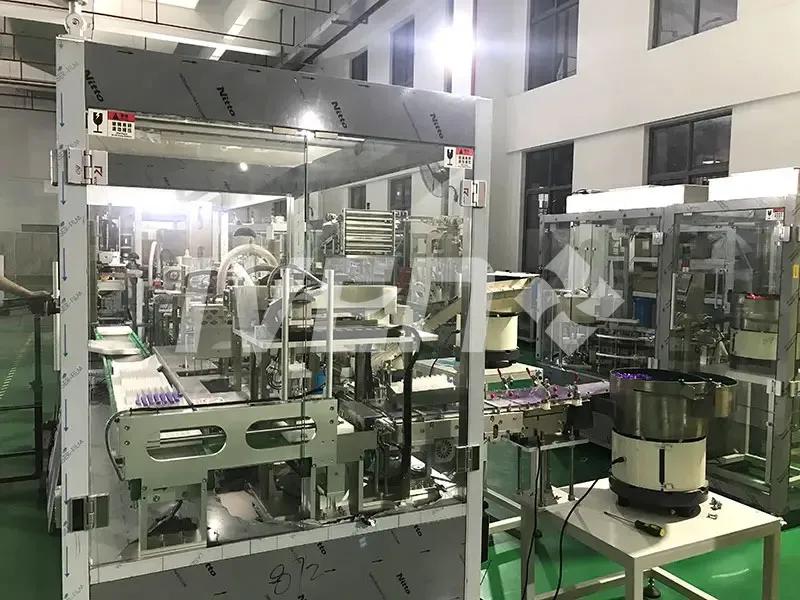
United States Guide to Vacuum and Non-Vacuum Blood Tubes
For United States buyers, the short answer is simple: vacuum blood collection tubes are the standard choice for high-throughput, standardized venous collection, while non-vacuum blood collection tubes are preferred when manual transfer, low-volume sampling, fragile veins, or specialty workflows require greater operator control. Hospitals, diagnostic laboratory groups, OEM medical brands, and contract manufacturers usually compare these products by draw consistency, additive stability, sterility, cap design, tube dimensions, automation compatibility, freight resilience, and regulatory documentation.
In the U.S. market, purchasing decisions are rarely based on tube price alone. Buyers in Boston, Houston, Chicago, Atlanta, Los Angeles, and New Jersey distribution corridors evaluate landed cost, FDA-related documentation readiness, packaging traceability, shelf life, and supply continuity. This is especially true for organizations sourcing private-label products or planning new blood collection tube manufacturing projects. Companies such as IVEN Pharmatech Engineering are relevant in this context because they do not only understand the tube product category; they also support the machinery, line integration, and engineering systems needed to manufacture blood collection tubes at industrial scale.
This guide explains the key differences between vacuum and non-vacuum blood collection tubes, compares specifications and applications, reviews global demand trends, and outlines practical sourcing choices for U.S. B2B buyers.
From a B2B perspective, blood collection tubes are not interchangeable commodities. Procurement teams must align product design with collection method, laboratory workflow, transport conditions, and compliance expectations. Vacuum tubes are evacuated to pull a pre-set blood volume automatically after venipuncture. Non-vacuum tubes, by contrast, rely on manual blood transfer via syringe, capillary method, or controlled dispensing. That distinction affects everything from fill accuracy to hemolysis risk.
For national healthcare systems and independent diagnostic networks in the United States, vacuum tubes generally dominate because they support standardized phlebotomy, reduce handling variability, and integrate efficiently with automated pre-analytical systems. However, non-vacuum tubes remain important in neonatal, geriatric, veterinary, research, and specialty care settings where controlled transfer may be safer or more practical.
Comparison FactorVacuum TubeNon-Vacuum TubeB2B ImpactCollection mechanismNegative pressure draws preset volumeManual blood transferAffects workflow standardizationFill accuracyHigh when vacuum is stableOperator dependentImportant for additive-to-blood ratioThroughputBest for large labs and hospitalsLower, more manualImpacts staffing costHemolysis controlGenerally good with proper techniqueCan be better in delicate draws if handled carefullyRelevant for difficult patientsAutomation compatibilityExcellentLimited to moderateCritical for U.S. reference labsUnit costOften higher due to evacuation and QCOften lower per tubeMust be weighed against labor costUse case fitRoutine venous blood collectionSpecialty, pediatric, manual workflowsDetermines product mix strategyThe table above shows why the decision is strategic rather than purely technical. A healthcare group that processes tens of thousands of specimens per day may save more through labor efficiency and reduced recollection than through a lower tube purchase price. Meanwhile, a specialized clinic may prioritize flexibility over speed.
The core difference is pressure control. Vacuum tubes contain calibrated negative pressure that pulls blood directly into the tube after the needle punctures the stopper. This enables consistent fill volume, which matters because anticoagulants and clot activators must be present in correct proportion to the sample. Non-vacuum tubes do not self-fill; blood is transferred manually, making the process more dependent on staff technique.
Another major difference is workflow risk. Vacuum tubes reduce the number of transfer steps and can lower contamination exposure when used correctly. Non-vacuum tubes may be advantageous when venous pressure is weak, when a syringe draw is already required, or when a clinician wants to control the transfer speed to protect fragile cells.
Physical design also differs. Vacuum tubes typically use butyl rubber stoppers engineered to maintain vacuum over shelf life. Tube wall strength, closure penetration resistance, additive coating quality, and leak-proof sealing are more tightly controlled because any failure can change draw volume. Non-vacuum tubes focus more on ease of opening, dispensing, and secure recapping.
FeatureVacuum TypeNon-Vacuum TypeWhy U.S. Buyers CarePressure statePre-evacuatedAtmosphericDetermines collection methodTypical closurePierceable rubber stopperCap or plug, sometimes screw styleAffects safety and leakageSample volume controlFixed by designManual estimation or measured fillInfluences test validityPhlebotomy speedFastSlowerRelevant in emergency departmentsShelf-life sensitivityVacuum must remain stableLess dependent on internal pressureImpacts warehousing and shippingBest forRoutine hospital and reference lab usePediatric, specialty, low-volume, manual collectionSupports segment-specific sourcingCommon riskLoss of vacuum over time if QC is weakIncorrect fill volume or transfer contaminationImportant for supplier auditsIn practical terms, if your organization operates centralized diagnostics in cities such as Dallas or Philadelphia and relies on barcode-based automation, vacuum tubes are usually the default. If your team supports specialized collection in oncology offices, neonatal units, or research settings, non-vacuum options can remain essential within a mixed procurement portfolio.
Global demand continues to favor vacuum blood collection tubes because health systems are expanding laboratory automation, standardizing venous collection protocols, and consolidating testing into large regional facilities. Demand in North America remains strong, especially for serum separator, EDTA, sodium citrate, and heparin vacuum tubes. At the same time, non-vacuum demand remains stable in niche medical and laboratory segments.
Several forces are shaping the market through 2026 and beyond. First, preventive screening and chronic disease monitoring are increasing total blood draw volume. Second, U.S. health systems are raising expectations around specimen traceability, packaging quality, and lot-level consistency. Third, sustainability pressure is leading buyers to ask about resin efficiency, carton optimization, and lower-waste manufacturing. Fourth, procurement diversification is pushing importers to evaluate qualified suppliers in China while maintaining risk controls.
var ctxLine = document.getElementById(‘lineChartMarket’).getContext(‘2d’);var lineChartMarket = new Chart(ctxLine, { type: ‘line’, data: { labels: [‘2021’, ‘2022’, ‘2023’, ‘2024’, ‘2025’, ‘2026’], datasets: [{ label: ‘Global Vacuum Tube Demand Index’, data: [82, 88, 95, 103, 111, 120], borderColor: ‘rgb(54, 162, 235)’, backgroundColor: ‘rgba(54, 162, 235, 0.15)’, fill: false, tension: 0.25 },{ label: ‘Global Non-Vacuum Tube Demand Index’, data: [61, 63, 65, 67, 69, 72], borderColor: ‘rgb(255, 159, 64)’, backgroundColor: ‘rgba(255, 159, 64, 0.15)’, fill: false, tension: 0.25 }] }, options: { responsive: true, maintainAspectRatio: false }});The line chart indicates faster projected growth for vacuum tubes, reflecting broader adoption by hospitals and large laboratories. Non-vacuum tubes show slower but steady demand, supported by specialty and lower-volume uses.
var ctxArea = document.getElementById(‘areaChartTrend’).getContext(‘2d’);var areaChartTrend = new Chart(ctxArea, { type: ‘line’, data: { labels: [‘2021’, ‘2022’, ‘2023’, ‘2024’, ‘2025’, ‘2026’], datasets: [{ label: ‘Share of Automated Collection Workflows’, data: [58, 61, 65, 69, 73, 77], borderColor: ‘rgb(75, 192, 192)’, backgroundColor: ‘rgba(75, 192, 192, 0.30)’, fill: true, tension: 0.25 },{ label: ‘Share of Manual/Specialty Workflows’, data: [42, 39, 35, 31, 27, 23], borderColor: ‘rgb(153, 102, 255)’, backgroundColor: ‘rgba(153, 102, 255, 0.20)’, fill: true, tension: 0.25 }] }, options: { responsive: true, maintainAspectRatio: false }});This trend shift matters for sourcing. As automated workflows expand, buyers increasingly prioritize dimensions, cap color coding, centrifugal performance, and analyzer compatibility. For many U.S. importers using East Coast entry points such as the Port of New York and New Jersey or West Coast hubs like Los Angeles and Long Beach, demand planning now includes both product consistency and replenishment reliability.
Blood collection tubes vary by additive, material, closure, diameter, length, and intended analytical use. Vacuum and non-vacuum versions may both be made from PET plastic, polypropylene, glass, or specialty polymers, but vacuum products require tighter control of wall permeability, stopper elasticity, and evacuation retention.
Common U.S. procurement specifications include 13×75 mm, 13×100 mm, and 16×100 mm tube formats; draw volumes ranging from 1 mL to 10 mL; color-coded caps for serum, plasma, coagulation, glucose, and hematology tests; and validated shelf life under defined storage conditions. Buyers also review centrifuge resistance, additive distribution, labeling adhesion, and carton configuration for warehouse automation.
Tube TypeCommon AdditiveTypical MaterialTypical SizeTypical UseSerum tubeClot activatorPET or glass13x75 mm / 13×100 mmClinical chemistrySST tubeClot activator + gelPET13x100 mmSerum separationEDTA tubeK2 or K3 EDTAPET13x75 mmHematologyCitrate tube3.2% sodium citratePET13x75 mm / 13×100 mmCoagulationHeparin tubeLithium or sodium heparinPET13x100 mmPlasma chemistryGlucose tubeFluoride/oxalatePET13x75 mmGlucose testingPlain non-vacuum tubeNone or customizedPP or PETMicro or standard sizeManual transfer, researchThe table above helps buyers map tube type to test purpose. Technical fit is critical because incorrect additive selection can invalidate results or force recollection. U.S. laboratory purchasers should also confirm whether the supplier can provide lot traceability, additive uniformity testing, and packaging documentation suitable for internal audits.
Additional technical points often reviewed during qualification include:
For companies building or upgrading tube production capacity, machinery capability becomes part of the technical decision. IVEN, for example, is known in the sector for blood collection tube production equipment and integrated pharmaceutical engineering systems, which is useful for buyers that require more than trading support and need scalable manufacturing infrastructure.
Choosing the right tube starts with the end-use environment. U.S. hospitals with standardized phlebotomy protocols usually prefer vacuum tubes because they improve fill consistency and speed. Specialty clinics, pediatric settings, and custom sample handling environments may adopt non-vacuum tubes for greater procedural flexibility.
Buyers should not evaluate vacuum versus non-vacuum as a binary decision. Many distributors and healthcare groups carry both. The more practical question is what percentage of your volume belongs in each category and which specifications should be standardized across sites.
Selection CriterionWhen Vacuum Is BetterWhen Non-Vacuum Is BetterProcurement NoteHigh daily specimen volumeYesNoSupports automated workflowPediatric or fragile veinsSometimesOftenDepends on collection methodNeed exact additive ratioStrong fitRequires strict fill controlImportant for coagulation testsManual syringe transfer already usedLess efficientStrong fitAvoids unnecessary process changeReference lab compatibilityStrong fitLimitedCheck analyzer and rack interfaceCost pressure onlyCompare total costCompare total costLabor and rejection rates matterPrivate label brandingWidely availableWidely availableReview MOQ and artwork controlThe table shows that the best choice depends on workflow, not just product preference. Before awarding a contract, B2B buyers should request samples, confirm dimensional tolerances, test package integrity after domestic transport, and verify that product coding aligns with internal ERP and distribution systems.
Buyers importing into the United States should also assess:
The buyer base for blood collection tubes is broader than hospitals alone. Large integrated delivery networks, national laboratory groups, outpatient centers, government health systems, OEM medical brands, and veterinary chains all purchase these products. In the United States, buying patterns differ significantly between centralized diagnostics and decentralized point-of-care networks.
var ctxBar = document.getElementById(‘barChartIndustry’).getContext(‘2d’);var barChartIndustry = new Chart(ctxBar, { type: ‘bar’, data: { labels: [‘Hospitals’, ‘Reference Labs’, ‘Outpatient Clinics’, ‘Research Centers’, ‘Veterinary’, ‘OEM/Distributors’], datasets: [{ label: ‘Estimated U.S. Demand Share (%)’, data: [32, 24, 16, 10, 6, 12], backgroundColor: [ ‘rgb(255, 99, 132)’, ‘rgb(54, 162, 235)’, ‘rgb(255, 206, 86)’, ‘rgb(75, 192, 192)’, ‘rgb(153, 102, 255)’, ‘rgb(255, 159, 64)’ ] }] }, options: { responsive: true, maintainAspectRatio: false }});The bar chart shows that hospitals and reference laboratories represent the largest demand blocks, but OEM and distributor channels are also meaningful. That matters for suppliers offering branded and private-label programs.
Buyer SegmentPrimary NeedPreferred Tube TypeTypical Order PatternAcute care hospitalsRoutine venous collectionMostly vacuumHigh-volume contractsReference laboratoriesAutomation and consistencyMostly vacuumRecurring large lotsPhysician office labsFlexible routine testingMixedDistributor-based replenishmentPediatric and specialty clinicsControlled low-volume drawMixed to non-vacuumSmaller but specialized ordersResearch institutionsCustomized additives and formatsMixedProject-based purchasingVeterinary networksSpecies-specific collection workflowsOften mixedRegional purchasingMedical distributors/OEM brandsPrivate label and broad catalogBothContainer-scale importsThis segmentation helps U.S. buyers define commercial strategy. A distributor serving Miami and Atlanta clinics may prioritize broad SKU coverage and brand packaging. A major lab in Chicago may instead focus on lot consistency, automation fit, and national warehouse performance.
Application determines whether the product should be standardized or specialized. Vacuum tubes dominate routine chemistry, hematology, immunology, serology, and coagulation collection. Non-vacuum tubes remain relevant for manual transfer workflows, capillary-derived transfers, specialty research handling, and certain difficult-draw cases.
Application AreaTypical Tube ChoiceReasonKey Buyer ConcernRoutine inpatient testingVacuumFast, standardized drawThroughput and reliabilityEmergency department collectionVacuumSpeed and predictable fillStaff efficiencyHematology panelsVacuum EDTAAccurate additive ratioResult integrityCoagulation assaysVacuum citrateCritical fill precisionRejection avoidancePediatric drawsMixed, often non-vacuumLower volume and more controlPatient suitabilityResearch sample handlingMixedCustom workflow requirementsSpecial specificationsVeterinary testingMixedSpecies and collection differencesSKU flexibilityThe table above shows that application-specific sourcing can reduce wastage and recollection. For example, coagulation studies are highly sensitive to fill error, so vacuum citrate tubes are usually the safer choice. In contrast, a pediatric oncology center may need niche non-vacuum or low-draw products to align with patient condition.
Application planning also overlaps with packaging and logistics. Large IDNs may require unitized cartons for regional redistribution across hubs in Memphis, Phoenix, or Columbus. Research customers may want smaller lots with strict lot segregation and faster customization cycles.
OEM and private-label demand is growing as distributors and healthcare supply brands seek differentiated portfolios. Customization may involve label artwork, cap colors, carton language, additive variation, rack compatibility, sterile packaging design, and mixed-SKU shipping configurations.
Case example 1: A U.S. regional distributor serving urgent care centers required a private-label vacuum tube line with standardized outer cartons, bilingual packaging, and barcode-ready labels. The project succeeded because the supplier aligned tube dimensions with existing holders, maintained color consistency across lots, and packed product in pallet patterns optimized for the distributor’s New Jersey warehouse.
Case example 2: A specialty pediatric supply company requested non-vacuum low-volume tubes with custom carton counts and a differentiated cap design. The goal was not maximum automation but easy nurse handling and lower dead volume. The supplier’s ability to validate cap seal performance and provide small-batch branding made the project commercially viable.
Case example 3: A manufacturer evaluating expansion into blood collection consumables needed not only tube supply samples but also production planning support. This is where a company such as IVEN Pharmatech Engineering can add value. On the technology side, it has experience in vacuum blood collection tube production equipment and integrated process design. On the manufacturing side, its broader background across multiple specialized plants supports understanding of industrial line layout, utility planning, and GMP-aligned execution. On the service side, it offers project support spanning feasibility, equipment selection, installation, validation-oriented assistance, and training, which is useful for buyers moving from trading to in-house manufacturing.
For U.S. OEM buyers, the main lesson is that customization should never weaken quality control. Every custom feature must be checked against lead time, MOQs, packaging qualification, and change-control discipline.
China remains a major sourcing base for blood collection tubes and related production equipment. For U.S. importers, success depends on structured supplier qualification rather than simply choosing the lowest quotation. Buyers should evaluate manufacturing consistency, documentation readiness, raw material traceability, clean production environment, and export support capability.
When sourcing from China, start with a specification sheet that covers material, additive, draw volume, dimensions, closure system, label area, cap color, carton count, palletization, shelf life, and required testing. Then request quality records, samples, and if possible a remote or onsite audit. Suppliers located near major logistics hubs such as Shanghai, Ningbo, Qingdao, or Shenzhen can often support export coordination efficiently, but logistics convenience should not outweigh technical control.
Supplier Evaluation PointWhat to CheckWhy It MattersBuyer ActionProduct consistencyLot-to-lot dimensional and vacuum stability dataPrevents field complaintsRequest COA/retention recordsMaterial controlResin, stopper, additive traceabilitySupports quality investigationsReview supplier qualification systemManufacturing environmentCleanliness, automation, inspection stepsImpacts contamination and defectsAudit or virtual tourPackaging strengthDrop resistance and seal integrityImportant for ocean freightTest pilot shipmentDocumentationSpecifications, test methods, labeling controlNeeded for U.S. onboardingPrepare quality agreementCustomization capabilityMOQ, artwork approval, mixed SKU handlingDetermines private-label feasibilityConfirm commercial terms earlyAfter-sales responseDeviation and complaint handling speedReduces supply riskSet SLA expectationsThe table shows that sourcing discipline should combine quality, logistics, and commercial review. If you are planning a larger manufacturing investment rather than a simple product purchase, it is also worth reviewing turnkey engineering options and available product systems through the supplier’s equipment portfolio. Buyers that need direct consultation can use the company’s contact channel to discuss project scope, capacity planning, and customization.
var ctxComp = document.getElementById(‘comparisonChartSupplier’).getContext(‘2d’);var comparisonChartSupplier = new Chart(ctxComp, { type: ‘bar’, data: { labels: [‘Price Competitiveness’, ‘Quality Consistency’, ‘Customization’, ‘Documentation’, ‘Lead Time Stability’, ‘Engineering Support’], datasets: [{ label: ‘Typical Trading Supplier’, data: [88, 62, 58, 55, 60, 30], backgroundColor: ‘rgba(255, 99, 132, 0.7)’ },{ label: ‘Integrated Manufacturing/Engineering Supplier’, data: [78, 85, 82, 84, 76, 90], backgroundColor: ‘rgba(54, 162, 235, 0.7)’ }] }, options: { responsive: true, maintainAspectRatio: false }});This comparison chart illustrates a common sourcing reality: the cheapest supplier is not always the lowest-risk supplier. Integrated companies with engineering depth often score better in documentation, customization, and long-term technical support, which can be decisive for OEM brands and plant investors.
Which type is more common in the United States?Vacuum blood collection tubes are more common for routine clinical use because they fit standardized venipuncture and automated laboratory workflows.
Are non-vacuum tubes outdated?No. They remain relevant for pediatrics, specialty care, manual transfer workflows, veterinary settings, and research use.
What is the biggest technical risk with vacuum tubes?Loss of vacuum over shelf life or inconsistent additive performance. That is why supplier QC and storage validation are critical.
What is the biggest operational risk with non-vacuum tubes?Manual fill variation, which can disrupt additive-to-blood ratio and increase sample rejection if procedures are not tightly controlled.
How should U.S. buyers compare quotations?Compare total landed cost, not only unit price. Include freight, packaging durability, rejection rates, labor impact, customization fees, and lead-time reliability.
Can Chinese suppliers support private label programs for the U.S. market?Yes, many can. However, buyers should verify MOQ, artwork approval process, packaging validation, and complaint handling before placing volume orders.
What documentation should be requested during qualification?Product specifications, lot testing records, material traceability information, shelf-life data, packaging details, and any quality system documents relevant to your internal review.
How important is production equipment expertise when selecting a supplier?It becomes very important if you plan to expand into own-brand manufacturing or local assembly. Suppliers with machinery and engineering capability can better support scale-up and process design.
What trends should buyers watch through 2026?Expect continued growth in automated collection systems, more focus on packaging sustainability, stronger digital traceability, and tighter buyer scrutiny of supply-chain resilience and policy compliance.
Where does IVEN fit in this market?For buyers evaluating broader project needs, IVEN Pharmatech Engineering is relevant not only because of its background in blood collection tube production lines but also because of its ability to combine technology, manufacturing understanding, and lifecycle service support for pharmaceutical and medical device projects.
In conclusion, vacuum versus non-vacuum blood collection tube selection should be based on use case, quality requirements, and supply strategy. For most mainstream U.S. healthcare applications, vacuum tubes remain the preferred option due to consistency and automation fit. Non-vacuum tubes continue to hold value in specialty workflows where control and flexibility are more important than speed. The strongest B2B sourcing decisions come from matching product design, supplier capability, and long-term operational needs rather than pursuing the lowest initial price.
-

United States Guide to Cough Syrup Filling Lines
For pharmaceutical manufacturers, contract packers, and OTC medicine brands in the United States, a syrup filling line for cough medicine is not just a packaging machine. It is a compliance-critical production system that must deliver dosing accuracy, container compatibility, hygienic handling, reliable capping, traceable labeling, and dependable throughput. Whether you are launching a new pediatric cough syrup, expanding a private-label OTC line, or modernizing an existing oral liquid facility in New Jersey, Texas, Illinois, California, or North Carolina, selecting the right line affects product quality, validation effort, labor cost, and speed to market.
This guide explains how to evaluate a cough medicine filling line from a B2B perspective. It covers market demand, common machine configurations, technical specifications, line selection criteria, buyer industries, sourcing from China, and what to look for in a manufacturing partner. It also addresses practical U.S. purchasing concerns such as FDA-oriented design expectations, integration with bottle unscramblers and induction sealers, spare parts planning, factory acceptance testing, and import logistics through major gateways such as Los Angeles, Long Beach, Houston, Savannah, and New York/New Jersey.
If you are planning a new oral liquid line or a full pharmaceutical packaging project, it is helpful to review the supplier’s engineering background, turnkey experience, and regulatory knowledge. Buyers evaluating integrated pharmaceutical solutions can also explore the company overview at IVEN Pharmatech Engineering and broader project delivery capabilities for pharmaceutical turnkey systems.
The most effective way to buy a syrup filling line for cough medicine is to begin with the finished product requirement, not the machine catalog. U.S. buyers should define bottle sizes, syrup viscosity, fill volume range, cap format, label type, tamper-evidence method, daily output target, validation standard, and packaging room classification before comparing suppliers. A line built for 60 mL amber PET bottles with child-resistant caps may differ significantly from one designed for 120 mL glass bottles, aluminum ROPP closures, induction liners, and serialized cartons.
For cough medicine applications, line design normally includes bottle infeed, air cleaning or bottle rinsing, servo or piston filling, cap feeding, cap placing, torque-controlled capping, induction sealing where required, pressure-sensitive or wraparound labeling, coding, inspection, and collection. For many U.S. OTC and Rx manufacturers, upstream syrup preparation, buffer tank design, CIP/SIP readiness, and integration with warehouse and palletizing systems also matter. This is why equipment selection often moves beyond a single monoblock and into a connected line architecture.
In procurement terms, there are five core questions:
A strong supplier should provide not only mechanical specifications, but also URS review, layout support, utility consumption data, documentation packages, and long-term service planning.
A syrup filling line for cough medicine is a coordinated packaging system used to fill liquid oral formulations into bottles or similar containers and then close, seal, label, and discharge them for secondary packaging. The line is designed specifically for pharmaceutical syrups, including sugar-based, sugar-free, herbal, and pediatric cough formulations that may vary in viscosity, foaming tendency, and sensitivity to contamination.
Unlike a generic liquid filler, a pharmaceutical cough syrup line must maintain hygienic product contact surfaces, stable dosing accuracy, low residual hold-up, and repeatable control over each packaging step. In the United States, these lines are commonly used by OTC drug makers, contract development and manufacturing organizations, hospital product suppliers, and private-label consumer health brands.
Typical line modules include:
ModuleMain FunctionWhy It Matters for Cough SyrupTypical U.S. Buyer ConcernBottle Unscrambler or InfeedFeeds bottles automaticallyMaintains line speed and orientationCompatibility with PET and glass bottlesAir Rinsing or Bottle CleaningRemoves particulates before fillingSupports product hygieneDocumentation for cleaning validationFilling MachineAccurate volume dosingPrevents underfill and overfillAccuracy across multiple bottle sizesCap FeederSupplies closures automaticallyReduces labor and cap jamsChild-resistant cap handlingCapping UnitApplies and tightens capsPrevents leakage and ensures tamper integrityTorque verificationInduction SealerSeals foil linersProvides tamper evidence and shelf protectionSeal consistencyLabeling MachineApplies product labelsSupports branding and compliance dataBarcode and lot code readabilityInspection and RejectionDetects defectsImproves quality controlAudit trail and reject confirmationIn short, the line transforms bulk cough syrup into retail-ready, compliant, and traceable finished product containers.
Demand for syrup filling lines remains strong in the United States due to stable OTC cough and cold product consumption, increasing private-label production, and continued investment in flexible pharmaceutical packaging operations. Seasonal respiratory surges, aging populations, pediatric medicine demand, and resilience planning after supply chain disruptions have all encouraged manufacturers to expand domestic and regional packaging capacity.
Three demand patterns stand out. First, U.S. producers increasingly want flexible lines capable of multiple bottle formats rather than one-format dedicated systems. Second, buyers prefer higher automation to reduce operator dependency and improve batch consistency. Third, more projects now combine filling with digital traceability, vision inspection, and data collection for production review and compliance support.
From a sourcing perspective, many U.S. buyers now compare North American, European, and Chinese suppliers based on lead time, technical depth, compliance familiarity, and total cost of ownership rather than machine price alone. This shift has opened more opportunities for engineering-focused manufacturers that can combine cost-effective production with robust documentation and validation support.
var ctx1 = document.getElementById(‘lineChartMarket’).getContext(‘2d’);var chart1 = new Chart(ctx1, {type: ‘line’,data: {labels: [‘2021’, ‘2022’, ‘2023’, ‘2024’, ‘2025’, ‘2026’],datasets: [{label: ‘U.S. demand index for cough syrup filling lines’,data: [78, 84, 91, 97, 104, 112],borderColor: ‘rgb(75, 192, 192)’,backgroundColor: ‘rgba(75, 192, 192, 0.15)’,fill: false,tension: 0.25}]},options: {responsive: true,maintainAspectRatio: false}});The chart above illustrates a realistic upward demand trend as U.S. buyers invest in resilient oral liquid packaging capacity, especially for high-mix OTC production and contract manufacturing.
Market DriverImpact on Equipment DemandPreferred Line FeatureBuyer PrioritySeasonal OTC demand spikesRequires fast ramp-upHigher throughput and quick changeoverProduction flexibilityPrivate-label expansionMore SKU variationRecipe storage and servo settingsShort setup timeLabor shortagesPushes automation investmentAuto cap feeding and reject systemsReduced manpowerFDA-focused quality systemsRaises documentation needsAudit trail and validation packageCompliance readinessE-commerce and retail diversityMore packaging formatsFlexible bottle handlingMulti-format capabilitySupply chain localizationMore domestic packaging projectsIntegrated turnkey supportProject certaintyLooking toward 2026, buyers should expect growing interest in energy-efficient drives, recyclable bottle compatibility, lower compressed-air consumption, remote diagnostics, and machine interfaces that connect more smoothly with MES and ERP systems.
Cough medicine filling lines are available in several layouts and performance classes. The right type depends on annual volume, bottle range, viscosity, packaging style, and validation expectations. Small and mid-sized U.S. manufacturers may choose a compact linear line, while high-output OTC plants often prefer rotary or monoblock systems for better speed and footprint efficiency.
Common equipment types include linear piston fillers, peristaltic filling systems for specialized products, servo volumetric fillers, monoblock filling-capping units, and complete oral liquid lines with bottle handling, sealing, labeling, cartoning, and case packing. For cough syrup, piston or servo volumetric filling is most common because it handles medium-to-high viscosity liquids effectively and supports repeatable volume control.
Line TypeTypical SpeedBest Use CaseAdvantagesLimitationsSemi-automatic filler10 to 25 bottles/minR&D, pilot, low volumeLow investmentHigher labor needLinear automatic line30 to 120 bottles/minMulti-SKU productionFlexible and easier changeoverLarger footprintMonoblock fill-cap system60 to 180 bottles/minMedium to high outputCompact layoutMay be less flexible for wide bottle variationRotary filling line120 to 300 bottles/minLarge OTC brandsHigh efficiencyHigher capital costGlass bottle line40 to 180 bottles/minPremium or prescription productsChemical stability and premium feelBreakage management requiredPET bottle line50 to 250 bottles/minMainstream OTC productsLightweight and cost-efficientStatic and deformation considerationsBeyond speed, U.S. buyers should define technical specifications clearly. These typically include fill volume range, filling accuracy, contact material, bottle height and diameter range, cap formats, compressed air demand, power consumption, cleanability, and control system architecture.
Specification ItemTypical RangeWhy It Is ImportantRecommended Buyer ActionFill volume30 mL to 250 mLDefines dosing system sizingList all current and future SKUsAccuracy±0.5% to ±1.0%Protects compliance and yieldRequest FAT test protocolViscosity handlingLow to medium-high syrupAffects pump and nozzle designSend product sample for testingBottle diameter range30 mm to 90 mmImpacts change partsConfirm all bottle drawingsCap typeCRC, screw, ROPP, flip-topChanges cap feeder and capping headShare torque and closure specsControl systemPLC + HMI + servo drivesDetermines usability and data controlAsk for alarm and recipe logicContact material316L stainless steelSupports hygiene and durabilityVerify certificates and surface finishFor buyers comparing product categories and supplier configurations, it is useful to review a wider machinery portfolio at pharmaceutical filling and packaging equipment to see whether the vendor supports future expansion beyond one cough syrup line.
Choosing the right line begins with a clear user requirement specification. In the United States, buyers often make the mistake of comparing quotations without standardizing the scope. One supplier may include bottle cleaning, induction sealing, and reject systems; another may quote only filling and capping. As a result, prices seem far apart even when the final usable line would be similar.
A disciplined selection process should evaluate the following:
It is also wise to assess whether the supplier thinks like an equipment vendor or an engineering partner. For example, a project may require line balancing with upstream syrup preparation tanks, downstream cartoning, room zoning, or purified water utilities. A company with broader pharmaceutical engineering experience usually identifies these issues earlier and reduces risk during installation.
var ctx2 = document.getElementById(‘barChartDemand’).getContext(‘2d’);var chart2 = new Chart(ctx2, {type: ‘bar’,data: {labels: [‘OTC brands’, ‘CDMOs’, ‘Hospital suppliers’, ‘Private label’, ‘Herbal producers’, ‘Export packers’],datasets: [{label: ‘Estimated U.S. buying activity index’,data: [92, 88, 54, 81, 61, 69],backgroundColor: [‘#4dc9f6′,’#f67019′,’#f53794′,’#537bc4′,’#acc236′,’#166a8f’]}]},options: {responsive: true,maintainAspectRatio: false}});The chart shows that the strongest present demand tends to come from OTC brands, contract manufacturers, and private-label businesses, all of which typically value flexible high-uptime lines.
For a practical selection matrix, buyers can score each supplier on technical fit, compliance fit, commercial fit, and service fit. This reduces the risk of choosing a low-price line that later causes validation delays or expensive change parts.
Selection CriterionWhat to CheckHigh-Value IndicatorRisk if IgnoredAccuracy validationFAT data and repeatabilityProven tests with similar syrupYield loss and batch deviationsCleaning designDead legs, drainability, accessEasy sanitation and low hold-upLong downtime and contamination riskCap compatibilityClosure trials and torque controlStable CRC handlingLeaks and cap rejectsChangeoverTooling time and adjustmentsFast format recipesLost productivityDocumentationIQ/OQ, manuals, certificatesComplete validation packageProject acceptance delaysService capacityResponse time and trainingRemote and on-site supportExtended downtimeTotal costUtilities, spares, consumablesLow lifecycle costBudget overruns laterCough syrup filling equipment serves a broad range of buyer industries. In the United States, demand does not come only from large pharmaceutical corporations. Mid-sized consumer health companies, nutraceutical brands moving into regulated oral liquids, regional contract packers, and export-oriented manufacturers all purchase these systems.
Key application segments include adult cough syrup, pediatric syrups, expectorants, antitussive blends, combination cough and cold formulations, herbal syrups, and prescription oral solutions with similar packaging requirements. Even when formulations differ, the same line concept may be used if the design allows appropriate cleaning and format adjustment.
Typical buyer industries include:
Buyer IndustryCommon Product TypePriority FeatureTypical Output NeedOTC pharmaceutical manufacturersSeasonal cough and cold syrupsHigh speed and reliabilityMedium to very highCDMOs and CMOsMulti-brand oral liquidsFast changeoverVariablePrivate-label health brandsStore-brand cough syrupsCost efficiencyMediumHerbal and botanical producersNatural cough relief syrupsFlexible viscosity handlingLow to mediumHospital and institutional suppliersUnit and bulk oral liquid productsTraceability and consistencyMediumExport-oriented manufacturersMulti-market packaged syrupsLabeling flexibilityMedium to highMany U.S. buyers also need lines that support market diversification. A cough syrup line today may package allergy liquids, vitamin syrups, digestive tonics, or pediatric supplements tomorrow. This is why line flexibility is often more valuable than maximum top speed.
As 2026 approaches, one major trend is convergence between pharmaceutical and consumer-health packaging requirements. Buyers want pharmaceutical-grade control with consumer-goods agility. That means shorter batch runs, more SKUs, faster artwork changes, and better digital line management.
Container and closure decisions shape the entire filling line. U.S. cough medicine products commonly use amber PET, clear PET, HDPE, or glass bottles in 60 mL, 100 mL, 120 mL, 150 mL, and 200 mL formats. Each choice affects bottle handling, static management, capping torque, sealing method, and labeling accuracy.
For bottles, star wheel design, side-belt transfer, timing screw configuration, and bottle stabilization all need to match the container geometry. Lightweight PET bottles can deform under poor handling. Glass bottles require stable transport and anti-breakage controls. For caps, child-resistant closures often require more precise feeding, orientation, and torque management than standard screw caps. For labeling, curved surfaces, embossed bottles, and moisture can affect adhesion and placement accuracy.
var ctx3 = document.getElementById(‘areaChartTrends’).getContext(‘2d’);var chart3 = new Chart(ctx3, {type: ‘line’,data: {labels: [‘2021’, ‘2022’, ‘2023’, ‘2024’, ‘2025’, ‘2026’],datasets: [{label: ‘Shift toward automated integrated lines’,data: [42, 48, 55, 63, 71, 79],fill: true,backgroundColor: ‘rgba(75, 192, 192, 0.2)’,borderColor: ‘rgb(75, 192, 192)’,tension: 0.3}]},options: {responsive: true,maintainAspectRatio: false}});This area chart reflects the steady shift from basic standalone machines to more integrated bottle, cap, seal, and label systems with centralized controls.
When specifying a full solution, buyers should define bottle drawings, neck finish, liner type, label stock, code printing requirements, and reject criteria early. This reduces redesign later in the project.
Packaging ElementMain OptionsEquipment ConsiderationTypical U.S. RequirementBottle materialPET, HDPE, glassHandling stability and guide designRetail and pharmacy compatibilityBottle size60 mL to 200 mLChange parts and recipesMulti-SKU flexibilityClosure typeCRC, screw, ROPPCap feeder and torque headLeak prevention and child safetySealing methodInduction foil, plug, noneSealer and inspection integrationTamper evidenceLabel styleWraparound, front/back, tamper labelSensor and applicator setupRegulatory readabilityCodingInkjet, laser, TTOPrint surface and data linkLot and expiry traceabilityA well-designed line should balance all three elements—bottle, cap, and label—rather than optimize filling only. This system-level view improves OEE and reduces packaging waste.
Sourcing from China can be a strong option for U.S. buyers when the supplier combines engineering depth, validated manufacturing practices, and international compliance understanding. The key is not simply finding a low-cost machine. It is finding a manufacturer that can deliver technical clarity, project management discipline, and post-installation support.
The best sourcing process usually includes the following steps: prepare a detailed URS, short-list suppliers with relevant pharmaceutical references, review drawings and documentation samples, conduct online technical meetings, request trial filling or FAT plan details, verify manufacturing capability, clarify acceptance criteria, and confirm spare parts and service terms before contract signature.
Logistics also matter. Depending on destination and urgency, U.S. buyers may import through Los Angeles/Long Beach for West Coast projects, Houston for Gulf Coast facilities, Savannah for Southeast distribution, or New York/New Jersey for East Coast installations. Lead time planning should account for manufacturing, FAT, export packing, ocean transit, customs clearance, inland delivery, installation, SAT, and validation support.
For China sourcing, buyers should review whether the supplier can support not just single machines but also broader project requirements. If your future plan includes oral liquid preparation, purified water systems, cleanroom coordination, or full plant engineering, a supplier with integrated pharmaceutical project capability reduces interface risk. Initial discussions can be started through the project inquiry page.
var ctx4 = document.getElementById(‘comparisonChartSuppliers’).getContext(‘2d’);var chart4 = new Chart(ctx4, {type: ‘bar’,data: {labels: [‘Price competitiveness’, ‘Pharma engineering’, ‘Validation support’, ‘Turnkey ability’, ‘Lead time control’, ‘Lifecycle service’],datasets: [{label: ‘Engineering-focused China supplier score’,data: [88, 91, 86, 93, 84, 89],backgroundColor: ‘rgb(153, 102, 255)’},{label: ‘Basic equipment trader score’,data: [72, 49, 38, 25, 57, 34],backgroundColor: ‘rgb(255, 159, 64)’}]},options: {responsive: true,maintainAspectRatio: false}});The comparison chart highlights an important sourcing distinction: a true manufacturing and engineering partner generally offers better long-term project outcomes than a low-cost trading intermediary.
In 2026 and beyond, U.S. buyers sourcing from China will increasingly prioritize digital support, documented quality systems, sustainability measures, remote diagnostics, and suppliers that understand both cost control and cGMP-oriented execution.
For U.S. pharmaceutical and healthcare buyers, the advantage of working with IVEN Pharmatech Engineering lies in the combination of technical specialization, manufacturing depth, and lifecycle support. Rather than offering isolated equipment only, the company approaches cough syrup filling lines as part of a broader pharmaceutical production and packaging ecosystem.
Technological capabilities: IVEN has developed strong engineering expertise in pharmaceutical filling, packaging, purified water, logistics, and integrated production systems. This matters for cough medicine projects because filling accuracy, hygienic product pathways, automation stability, and line integration all affect validation and operating efficiency. The company’s background in EU GMP, U.S. FDA cGMP, WHO GMP, and PIC/S-oriented projects helps buyers who need documentation and machine concepts aligned with regulated manufacturing expectations.
Manufacturing capabilities: With specialized manufacturing plants in Shanghai focused on pharmaceutical equipment categories, IVEN offers broader production depth than many single-machine vendors. This supports better control over core components, customization, assembly quality, and integrated line design. The company has supplied thousands of production lines globally and has significant experience across oral liquids, injectables, IV solutions, water systems, and packaging-related applications. For U.S. buyers, this scale translates into more mature process knowledge, stronger project coordination, and confidence when future line expansion is required.
Service capabilities: IVEN supports projects from feasibility review and design consultation through installation, commissioning, validation assistance, training, and after-sales service. This is particularly valuable when a U.S. buyer needs more than a machine shipment. Oral liquid projects frequently require layout refinement, utility matching, document preparation, FAT planning, SAT execution, and operator onboarding. A supplier able to support IQ/OQ/PQ-oriented activities, technical transfer, and long-term optimization provides a lower-risk path than a vendor focused only on delivery.
Another differentiator is practical international experience. IVEN has served customers in more than 60 countries and has also participated in modern pharmaceutical plant execution in the United States. For American buyers, that matters because it demonstrates familiarity with cross-border project standards, communication expectations, and the need for durable equipment that performs over many years, not just during acceptance.
For companies seeking a partner with both machine manufacturing and pharmaceutical engineering capability, IVEN offers a scalable path from standalone cough syrup filling lines to larger oral liquid and turnkey factory projects.
1. What filling principle is best for cough syrup?For most cough syrup products, servo piston or volumetric filling is the preferred choice because it handles medium-viscosity liquids well and provides stable dosing accuracy. Final selection depends on formulation behavior and bottle range.
2. Can one line run different bottle sizes?Yes. Most modern lines are designed for multiple bottle formats, but the actual flexibility depends on guide rail range, star wheels, change parts, capping configuration, and recipe control. Buyers should specify all present and future bottle sizes before design freeze.
3. Is PET or glass better for cough medicine?Both are common in the United States. PET is lighter and more economical for OTC products, while glass may be preferred for premium or certain prescription applications. The line must be designed around the chosen material.
4. Do I need induction sealing?Many U.S. cough syrup products use induction foil sealing for tamper evidence and shelf integrity. Whether it is necessary depends on retail channel requirements, cap-liner design, and product strategy.
5. What output should I plan for?A realistic target should reflect annual demand, peak season volume, SKU mix, changeover time, and shift pattern. It is often better to select a line with some growth headroom rather than sizing only for average demand.
6. What documents should I request from the supplier?At minimum, request GA drawings, utility requirements, component list, material certificates for product contact parts, FAT protocol, manuals, and validation support documents such as IQ/OQ templates where applicable.
7. How long does sourcing from China usually take?Lead times vary by customization level, but buyers should plan for engineering confirmation, manufacturing, FAT, shipment, customs clearance, installation, and SAT. Complex integrated lines require more time than basic standalone fillers.
8. What should I test during FAT?Key FAT checks include fill accuracy, speed stability, bottle transfer, capping torque, cap feed efficiency, reject logic, HMI functions, alarm response, cleaning access, and documentation completeness.
9. Can the line support future digital upgrades?Yes, if the controls architecture is planned properly. Buyers expecting 2026-ready capabilities should discuss data collection, remote diagnostics, recipe management, audit trail functions, and MES connectivity during specification.
10. How important is turnkey capability?Very important when your project includes more than packaging. If you also need oral liquid preparation, purified water, layout design, or clean utility coordination, a turnkey-capable supplier can reduce interface problems and schedule risk.
In summary, the right syrup filling line for cough medicine should match your formulation, packaging format, compliance strategy, and growth plan in the United States. Buyers who take a structured approach to specification, technical review, FAT planning, and supplier qualification will achieve better long-term performance than those who focus on price alone. If your project requires a partner with pharmaceutical engineering depth, integrated manufacturing capability, and lifecycle support, IVEN Pharmatech Engineering offers a practical path from equipment selection to full project implementation.